
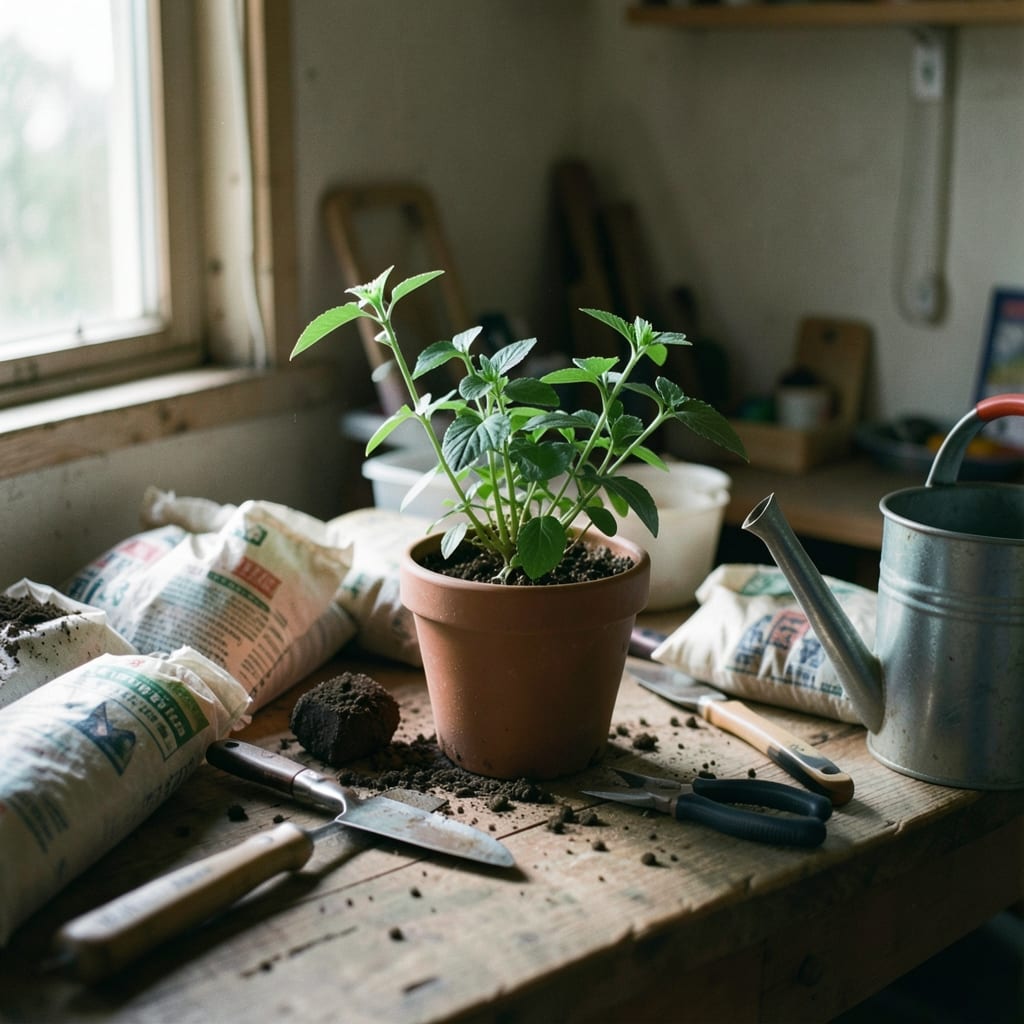
Why this site exists
You’re holding a packet of seeds—maybe it’s a heirloom tomato variety you’ve read about, or a shade-loving fern you think might thrive in a corner of your yard.
But the instructions on the back are vague, the soil in your garden isn’t quite right, and the first few seedlings either rot or stretch toward the light like they’re drowning.
The internet offers advice, but half of it contradicts the other half, and the photos always show perfect rows in perfect soil.
This site exists to bridge that gap. It’s for the people who want to grow things but keep running into the same problems: seedlings that flop, plants that refuse to flower, or soil that feels more like concrete than a home for roots.
Here, we focus on the real work of gardening—the messy, unpredictable parts where theory meets dirt and luck. No flattery, no assumptions. Just what actually works, where it works, and why.
Who writes this site
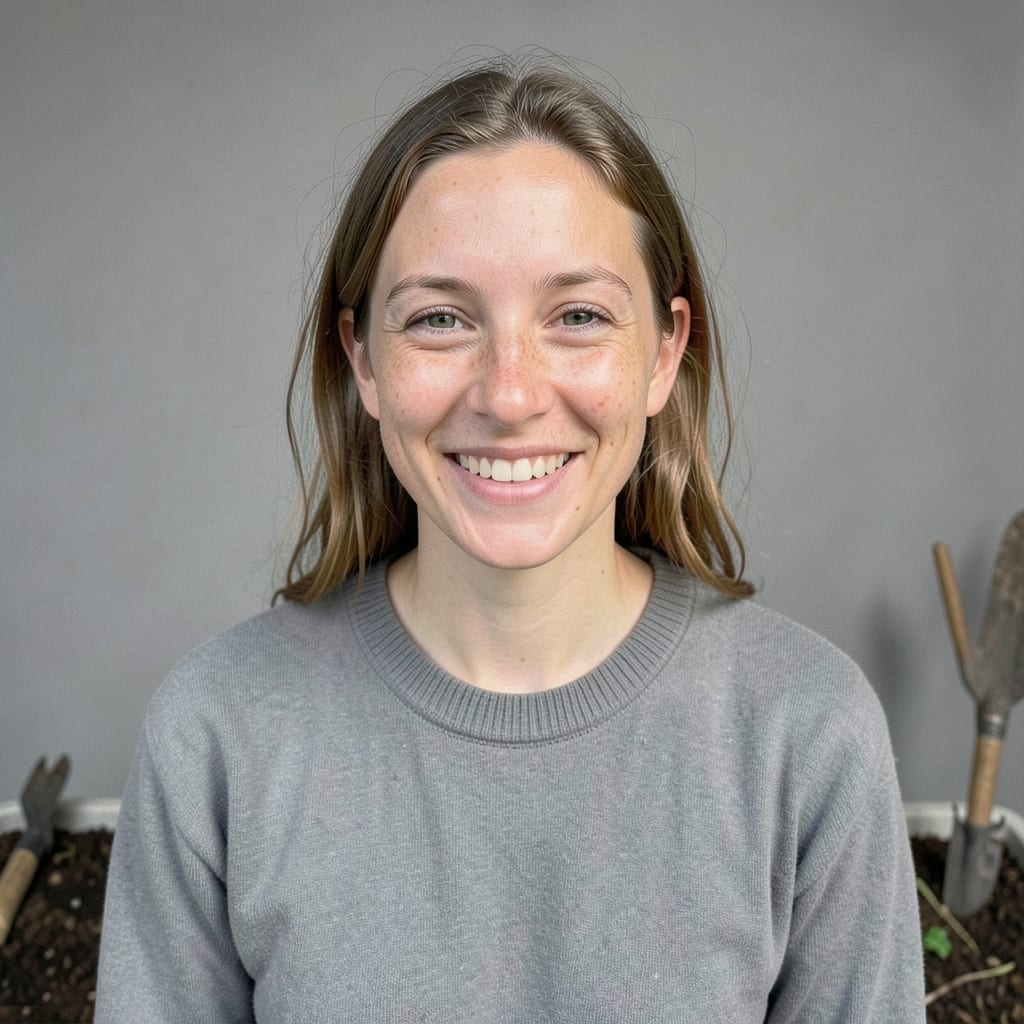
Harriet Pennington writes this site.
Do you test everything before writing about it?
Yes. Every tip, every soil mix, every ‘fix’ for a dying plant is tried at least twice—once in ideal conditions, once in the kind of chaos a real garden throws at you. If it fails the second time, it doesn’t get written about.
What do you get wrong?
I overestimate how much shade a plant can take. I forget to account for clay soil. And I still kill basil every spring, no matter how many times I promise myself I’ll remember to pinch it back. The site lists the mistakes so you don’t have to make them.
Why isn’t common problem covered here?
Because I haven’t solved it yet—or because the ‘solution’ is just ‘wait and see.’ Some gardening problems don’t have answers, only workarounds. If it’s not here, it’s either too vague or too specific to my own backyard. Ask anyway; I might have a half-baked theory.
Harriet keeps a notebook by the back door with soil test results, failed experiments, and the names of the few plants that actually come back every year. The margins are stained with compost tea.
How a guide is built
A guide starts with a problem: a seed that won’t germinate, a plant that wilts despite enough water, or a patch of soil that looks healthy but refuses to grow anything. The first step is to dig into why—literally.
Soil tests, neighbor interviews, and years of trial-and-error logs go into every page. The second step is to strip away the gardening jargon and write it as if you’re standing in the garden with someone who’s been doing this longer than you.
The digging
Soil tests come first. pH levels, nutrient deficiencies, drainage—none of it matters if the foundation is wrong. A guide on reviving a struggling tomato plant starts with a soil sample, not a fertilizer recommendation.
If the problem is too much shade, the fix isn’t ‘plant something else’; it’s ‘move the pot closer to the window’ or ‘prune the oak branches.’ Real solutions begin with real data, not guesses.
The fixing
After the digging, there’s the fixing—and that’s where most guides fail. They’ll tell you to ‘add compost,’ but not how much, or how deep, or what kind.
Here, the fixes are specific: ‘Mix in 2 inches of worm castings and water deeply twice a week’ or ‘Cut back the suckers in July, not June.’ The goal isn’t perfection; it’s survival. A plant that lives is better than one that looks perfect but dies in a month.
What we will not do
This site won’t tell you to ‘follow the instructions on the seed packet’ if those instructions have never worked for anyone with your light conditions. We won’t pretend that every plant thrives in every climate, or that gardening is just about picking the ‘right’ tools.
And we won’t ignore the fact that some problems—like aphids, or stubborn weeds, or soil that’s been compacted for decades—don’t have easy answers.
Things you will never find here
- ‘Best’ plant lists (there is no universal ‘best’—only what works in your space).
- Guarantees (plants die; we document how to delay the inevitable).
- Step-by-step guides for growing things you shouldn’t (e.g., invasive species, or plants that require microclimates you don’t have).
- Avoidance of the word ‘easy’ (gardening is hard, and pretending otherwise is how people give up).
Where to start
Start with the ‘Troubleshooting’ section if your plants look sick. Start with ‘Soil Basics’ if nothing you’ve tried grows. Start with ‘Seasonal Checks’ if you’re not sure when to plant or prune. If you can’t find what you need, use the search bar—then ask on the contact page.
The site is built for people who already know gardening is more about fixing than following rules.
Say hello
We like hearing about the plants that surprised you, the soil that refused to cooperate, or the one variety that finally grew right. If you’ve got a problem that isn’t here, describe it—including your soil type, sunlight, and what you’ve already tried. The contact page is where to go.
The guides are grouped by category: Advice, Blooming, Companion Plants, Container Gardens, Diseases and Fertilization.