
How To
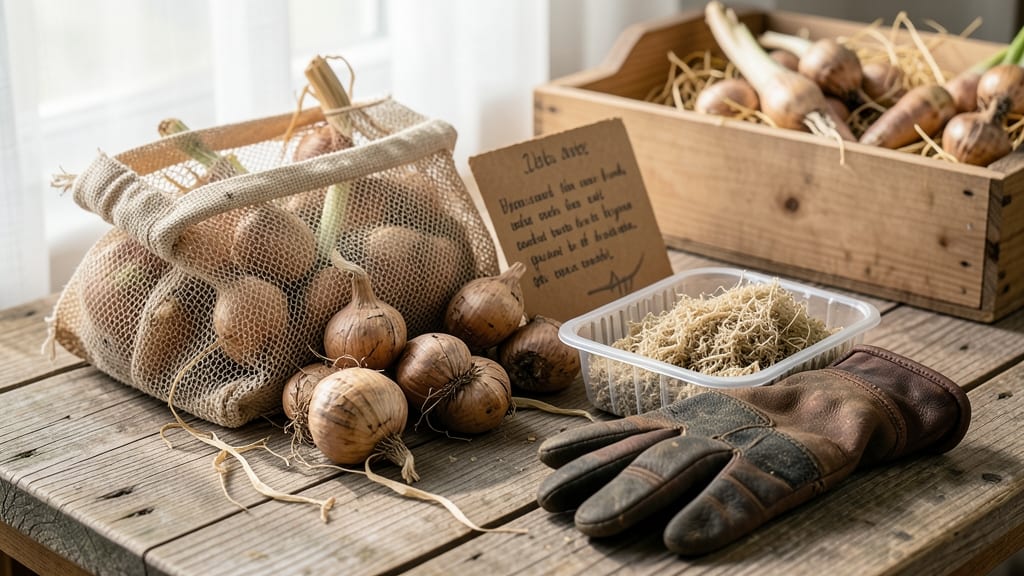
Storing tulip bulbs over summer is the secret to next year’s showstopping blooms—if you do it right. 🌱 I’ve learned the hard way that leaving them in the ground means slugs, rot, and a sad autumn replanting. The key is timing, drying, and cool storage that mimics their natural dormancy.
You’ll need a sunny spot to dry bulbs for 1-2 weeks, a breathable mesh bag or cardboard box, and a dark, 50-60°F space like a basement or garage. Skip plastic bags—they trap moisture and invite mold. I store mine in a paper grocery bag lined with newspaper for airflow.
By fall, you’ll replant bulbs that look plump and firm, not shriveled or sprouting too early. The right storage keeps them pest-free and ready to burst into color again. Just avoid refrigerators—their humidity ruins bulbs faster than you’d think.
Timing matters: dig when foliage yellows (6-8 weeks after blooming) and replant before the first frost. This method has given me three years of reliable blooms—no more digging up sad, rotting bulbs in autumn.
📚 In This Guide
- What you need
- Instructions
- Tips and common mistakes
- Wrapping up and next steps
What you need
- ● Tulip bulbs – Dig them up after foliage dies back (usually 6–8 weeks post-bloom).
- ● Well-draining container – A mesh bag, cardboard box with holes, or a wooden crate (at least 12" deep to allow airflow).
- ● Drying agent – 1 part peat moss or coconut coir (for moisture absorption) mixed with 1 part perlite or vermiculite (for aeration). Total needed: ~2–3 cups per 10 bulbs.
- ○ Labeling tags – Small labels or a permanent marker to tag varieties (optional but helpful!).
- ● Storage location – A cool, dark, and dry spot (ideal temp: 40–50°F; humidity: 50–70%). Examples: basement, garage, or unheated shed.
- ● Fungicide spray (e.g., copper-based) – Lightly mist bulbs to prevent mold (use sparingly).
- ● Insect repellent – Diatomaceous earth or cedar chips to deter pests like rodents or moths.
- ● Hygrometer/thermometer – To monitor humidity and temperature (especially useful in damp climates).
- ● Plastic wrap or breathable cloth – For extra moisture protection in humid areas (avoid sealing tightly).
Step-by-Step guide to properly storing tulip bulbs over summer
Here's the foolproof method I use to keep tulip bulbs healthy and ready for next spring's vibrant blooms.
🪴 Step 1: Harvest Bulbs at the Right Time
Wait until tulip foliage turns completely yellow and brown before digging—this usually happens about 6-8 weeks after blooming. The bulbs need to replenish their energy reserves through photosynthesis. Use a garden fork to carefully lift them from the soil, being gentle to avoid damaging the bulb skins.
Shake off excess soil but don't wash the bulbs—moisture encourages rot during storage. I like to handle them with gloves to prevent skin oils from transferring. Place them in a dry, shaded area for 24-48 hours to let any remaining moisture evaporate before moving to long-term storage.
💧 Step 2: Cure and Dry the Bulbs Thoroughly
Spread the bulbs in a single layer on a mesh screen or clean wooden rack in a dry, well-ventilated area protected from direct sunlight. This curing process—typically 2-3 weeks—allows the outer skins to harden and develop natural protective layers. You'll know they're ready when the necks feel dry and papery to the touch.
Don't rush this step. Damp bulbs stored in plastic bags will develop mold within days. I place mine in my garage during summer where temperatures stay between 60-70°F—ideal for proper drying without heat stress. Avoid using paper bags as they trap too much moisture.
☀️ Step 3: Choose the Right Storage Conditions
Once completely dry, store bulbs in a cool, dark location with temperatures between 40-50°F and 50-60% humidity. I use a ventilated cardboard box lined with newspaper or shredded paper—never plastic—to allow airflow while protecting from pests. Label each box with the tulip variety and storage date.
The basement or refrigerator's crisper drawer works well, but avoid the main fridge where temperatures fluctuate. Check bulbs monthly for signs of mold or soft spots—remove any affected bulbs immediately to prevent spread. This storage period lasts 8-10 weeks until fall planting.
✂️ Step 4: Prepare for Planting in Fall
About 6-8 weeks before your first frost date, inspect stored bulbs for firmness and health. Discard any that feel soft, shriveled, or show signs of rot. Soak healthy bulbs in a 1% solution of captan fungicide for 30 minutes to prevent fungal diseases before planting. This simple step has saved my tulips from multiple outbreaks over the years.
Plant bulbs at a depth of 6-8 inches in well-draining soil, spacing them 4-6 inches apart. Water thoroughly after planting to encourage root establishment before winter dormancy. The key is timing—plant too early and they'll sprout; too late and they won't establish roots before freeze.
Tips & tricks for perfect tulip bulb storage
These are the hard-won lessons that'll help you avoid the most common summer storage mistakes with tulip bulbs.
Timing is Everything: That 6-8 week window after blooming is critical for energy replenishment—don't harvest too early or you'll starve your bulbs of the nutrients they need for next spring. I've learned the hard way that cutting foliage too soon means smaller, weaker blooms the following year. The yellow-brown color is your clear signal to dig.
Drying Strategy: The 2-3 week curing period in Step 2 is where most people fail. I place my bulbs in my garage where temperatures stay between 60-70°F—this range is perfect for developing those protective skins without heat stress. If you're in a humid climate, consider using a small fan to improve airflow during this stage. The goal is papery dry necks, not just surface dry.
Storage Environment: Those 40-50°F temperatures and 50-60% humidity in Step 3 aren't just recommendations—they're non-negotiable for long-term bulb health. I've had bulbs last through summer in my basement, but never in my attic where temps fluctuate wildly. A refrigerator's crisper drawer works well if you check it monthly, but avoid the main fridge where ethylene gas can accelerate spoilage.
Pest Prevention: The newspaper lining in your storage box isn't just for cushioning—it's your first line of defense against mold and pests. I add a few bay leaves to mine as a natural deterrent. If you notice any soft spots during your monthly checks, remove those bulbs immediately and discard them to prevent spread to the rest of your collection.
Pro Tips for Store Tulip Bulbs Over Summer
- These are the hard-won lessons that'll help you avoid the most common summer storage mistakes with tulip bulbs.
- Timing is Everything: That 6-8 week window after blooming is critical for energy replenishment—don't harvest too early or you'll starve your bulbs of the nutrients they need for next spring.
- Drying Strategy: The 2-3 week curing period in Step 2 is where most people fail.
Frequently asked questions
Got questions about storing tulip bulbs through summer?
You’re not alone! Here are answers to common concerns to help you keep your bulbs happy until planting season.
When is the best time to dig up tulip bulbs?
Dig up tulip bulbs after the foliage turns yellow and brown (usually 6–8 weeks after blooming). This ensures the bulb has stored enough energy for next year. Wait too long, and the bulb may rot in storage.
Can I store tulip bulbs in the fridge?
Yes! A refrigerator is a great option—just place bulbs in a paper bag or mesh container for airflow. Store them in the crisp drawer (35–40°F) to mimic cool, dry conditions. Avoid plastic bags to prevent mold.
What if my bulbs sprout in storage?
Sprouting means the bulb is too warm or moist. Move them to a cooler, drier spot immediately. If shoots appear, you can trim them back once they’re 2–3 inches tall—this won’t harm the bulb but may delay next year’s blooms slightly.
Do I need to treat bulbs for pests before storing?
Yes! Inspect bulbs for soft rot or holes (signs of pests). Discard damaged bulbs. For prevention, dust healthy bulbs with diatomaceous earth or store them with cedar chips or garlic cloves to deter rodents and insects.
Can I store tulip bulbs in a basement or garage?
Basements and garages can work if they’re cool (40–50°F), dry, and well-ventilated. Avoid damp areas—moisture causes rot. Use a mesh bag or cardboard box to improve airflow and keep pests out.
Wrapping up and next steps
Storing tulip bulbs over summer is all about creating the perfect dry, cool, and pest-free environment to ensure vibrant blooms next year. With the right prep—like curing, proper ventilation, and smart pest control—you’re setting your garden up for success. 🌱
Now that you’re armed with the know-how, take action! Gather your supplies, follow the steps, and give your tulips the care they deserve. Before you know it, you’ll be rewarded with a stunning spring display—all thanks to your summer prep work. Happy gardening! 🌸