
Blooming
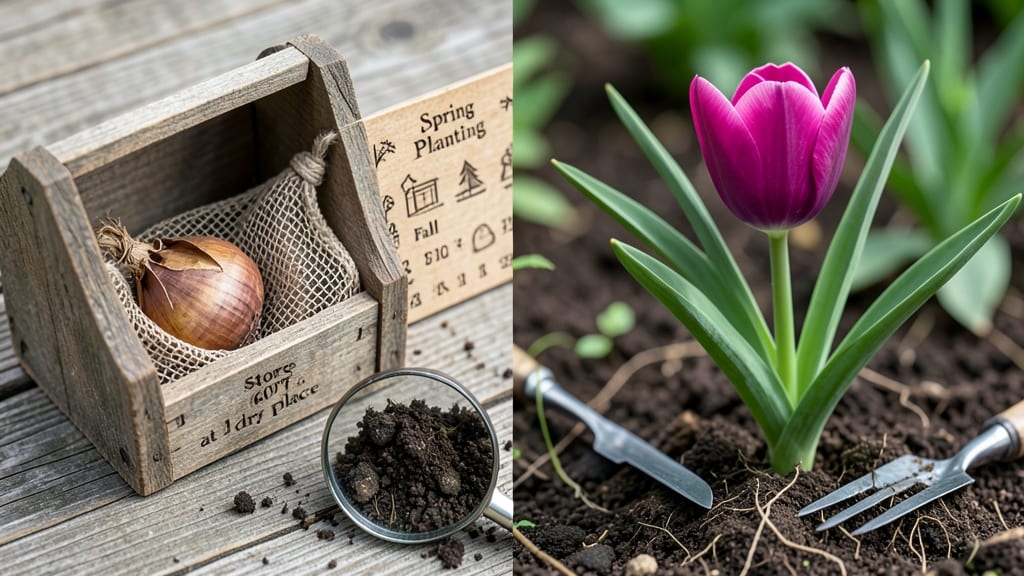
Flower bulbs last 3 to 5 years when stored correctly in a cool, dry environment, though varieties like tulips may degrade sooner. Daffodils and hyacinths tend to outperform others, while paperwhites can often be replanted multiple times. Always inspect for soft spots or sprouting before deciding to replant.
Understanding how long flower bulbs last depends on their storage conditions and type. Bulbs stored in a cool, dark place with proper ventilation—like a mesh bag in a basement or garage—resist rot and maintain vitality. 🌱 The key is preventing moisture buildup, which can cause mold or premature sprouting.
For example, tulip bulbs often weaken after 2-3 years, while hardy daffodils can last up to 7 years if kept dry and protected from freezing temperatures.
Seasonal timing also plays a role: bulbs dug up in fall should be cured for a week before storage, and never refrigerated unless you're in a warm climate. Overcrowding or storing near onions or apples (which release ethylene gas) can shorten their lifespan.
I’ve found that checking bulbs annually for firmness and discarding any that feel mushy or shriveled saves money and ensures stronger blooms next season.
💡 In This Article
- Factors That Determine Flower Bulb Longevity
- Best Storage Methods to Extend Bulb Freshness
Factors that determine flower bulb longevity
Bulb longevity hinges on three critical factors: moisture control, temperature stability, and nutrient reserves. Moisture is the silent killer—bulbs absorb water through their papery skins, causing rot or mold within weeks.
The ideal humidity level is 40-60%, which is why storing bulbs in mesh bags (not airtight containers) allows airflow while blocking excess dampness. Temperature sensitivity varies by type: tulips prefer 35-40°F, while daffodils tolerate 32-50°F without damage. 🌱
Nutrient depletion occurs gradually as bulbs age, but some varieties compensate better. Daffodils store energy in their thick outer layers, lasting 5-7 years with proper care, while tulips deplete faster due to thinner skins.
The science behind this involves starch conversion: bulbs convert stored starches into sugars for sprouting, and repeated cycles accelerate this process. Even in storage, bulbs continue slow metabolic activity, which is why annual checks for firmness are essential.
Light exposure matters too—bulbs need complete darkness to prevent premature sprouting, which drains energy reserves. Natural daylight triggers growth hormones, so storing bulbs in cardboard boxes or opaque containers is ideal. The exception is paperwhites, which thrive with indirect light during their short growing cycle.
This explains why some gardeners leave them in bright basements while others store them in dark closets. 💫
Ethylene gas from nearby produce (like apples or bananas) accelerates aging by breaking down cell walls, so keep bulbs separate. The gas causes softening and shriveling, making bulbs unusable. This is why professional growers store bulbs in ventilated bins away from fruit storage areas.
Even small amounts of ethylene can reduce tulip bulb viability by 30% over a single winter.
Seasonal timing also impacts longevity. Bulbs dug in late fall (after foliage dies back) have 2-3 weeks to cure before storage—this drying period hardens their skins and prevents moisture absorption.
Skipping this step can cut their lifespan by nearly half. The curing process is like creating a natural sealant, similar to how onions are dried before storage. 🌿
Finally, bulb size correlates with longevity: larger specimens contain more stored nutrients. A 3-inch daffodil bulb may last 10 years under ideal conditions, while a 1.5-inch tulip bulb might only survive 2-3 years. This size advantage explains why gardeners often replant larger bulbs selectively for future seasons.