
Propagation
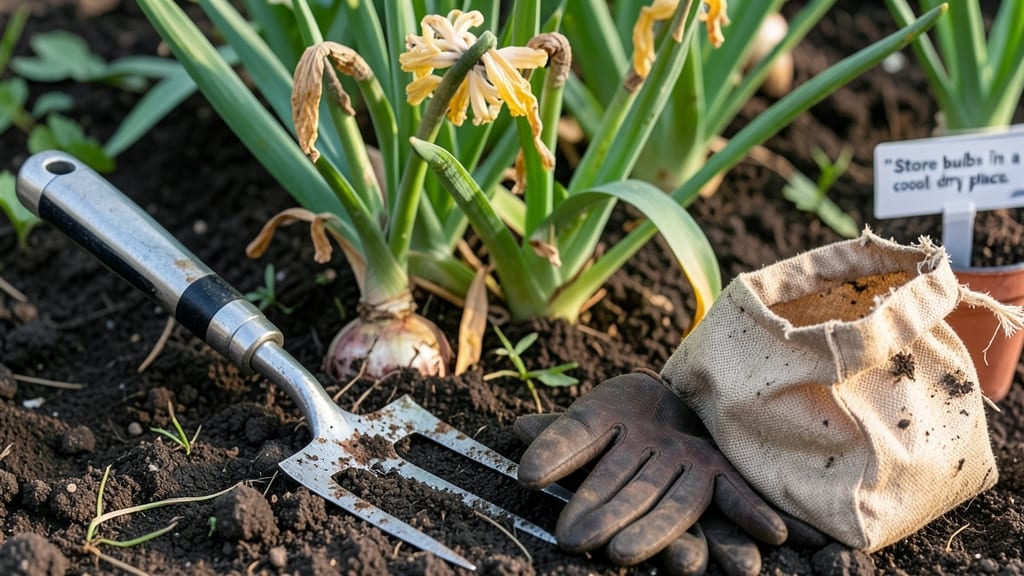
After your hyacinths put on their spring show, what to do with the bulbs after flowering is what guarantees next year’s even bolder blooms. 🌷 I’ve learned the hard way that cutting back too soon or storing bulbs improperly can turn next season’s promise into a flop.
The key is timing: wait until the foliage yellows naturally before you make any moves. Once the leaves turn brown, snip them back to about 2 inches above the soil, but leave the bulb in the ground if your zone stays above freezing (Zones 7-10).
For colder climates, dig up the bulbs after the foliage dies back completely—let them dry in a shady spot for a week before storing in a cool, dark place with good airflow. This simple step keeps them from rotting over winter.
By late summer, your stored bulbs will be ready for replanting, and with proper care, they’ll reward you with clusters of fragrant blooms for years to come. The secret? Patience and precision in the post-bloom phase. Here’s exactly how to do it right.
You’ll need just a few basic tools: sharp pruners for cutting back foliage, a trowel for lifting bulbs (if needed), and a breathable mesh bag or paper for storage. The goal is to mimic the bulb’s natural dormancy period—no moisture, no light, just quiet rest until replanting time.
For gardeners in colder zones, this means digging up bulbs in early summer and storing them until fall. The payoff? Bulbs stored correctly can live for 5-10 years or more, producing more flowers each season.
The trick is consistency: don’t rush the process, and always wait until the foliage is fully brown before cutting or lifting. This ensures the bulb has time to replenish its energy for next year’s show.
One common mistake is cutting back the foliage too soon—this starves the bulb of the nutrients it needs to store for next season. Another is storing bulbs in plastic bags, which traps moisture and leads to rot.
Instead, use a well-ventilated container and check on them occasionally to make sure they’re dry. For gardeners in warmer climates, you can leave bulbs in the ground year-round, but they may need a light mulch in winter to protect them from frost.
The key is adapting your approach to your local climate while keeping the same core principles: patience, proper timing, and minimal interference.
📚 In This Guide
- What you need
- Instructions
- Tips and common mistakes
- Wrapping up and next steps
What you need
- ● Garden shears or pruning scissors – Sharp, clean tools to trim foliage (avoid dull blades to prevent crushing stems).
- ○ Gloves (optional but recommended) – Protect your hands from dirt and sharp bulb edges.
- ● Well-draining potting mix or perlite/sand blend – For storage (if lifting bulbs). Aim for 50% potting soil and 50% perlite/sand to prevent rot.
- ● Small mesh bags or breathable containers – For storing bulbs (e.g., paper bags, burlap sacks, or plastic mesh bags with holes). Avoid airtight containers!
- ● Labeling tags or markers – To track bulb varieties and planting dates.
- ● Spray bottle with water – For lightly misting bulbs during storage (if needed).
- ● Cooling, dry storage space – Ideal temp: 50–60°F (10–15°C) with 50–70% humidity (e.g., basement, garage, or unheated shed).
- ● Fungicide (mild, bulb-safe) – Like neem oil or copper fungicide to prevent mold during storage.
- ● Moisture absorber (e.g., silica gel packets) – To reduce humidity if storing in a damp space.
- ● Garden journal or app – To log bulb care notes for future reference.
- ● Newspaper or shredded paper – For cushioning bulbs in storage containers.
How to care for hyacinth bulbs after they bloom
Here’s exactly what to do to keep your hyacinths thriving—and coming back bigger each year.
✂️ Step 1: Cut Back the Flower Stems
Once the blooms fade completely, snip the flower stalks at the base with clean, sharp scissors or pruners. I like to leave the foliage alone for now—it’s still working hard to feed the bulb for next season. The goal is to remove only the spent blooms, not the leaves.
Cutting at the base prevents energy from draining into dead flowers. You’ll notice the foliage may yellow slightly after flowering, but don’t trim it yet—those leaves are storing nutrients back into the bulb. Wait until they turn completely brown before making any further cuts.
💧 Step 2: Keep Watering and Fertilizing
Continue watering your hyacinths regularly until the foliage turns yellow and dies back naturally. Overwatering now can cause rot, but letting the soil dry out too much stresses the bulb. Aim to keep the soil lightly moist—about 1 inch deep—until the leaves wither.
Apply a balanced, water-soluble fertilizer (like 10-10-10) every 4-6 weeks to give the bulb extra strength. This helps ensure it stores enough energy for next year’s blooms. Stop fertilizing once the leaves turn yellow, though—you don’t want to encourage new growth that won’t harden off before dormancy.
☀️ Step 3: Let Foliage Die Back Naturally
Resist the urge to trim the leaves until they’re fully brown and crispy. This process—called "leaf senescence"—can take 6-8 weeks after flowering. The longer you leave the foliage, the more nutrients the bulb absorbs, leading to stronger blooms next spring.
If you live in a hot climate, the leaves may dry out faster. In cooler areas, they might linger longer. Either way, don’t cut them until they’re completely brown and brittle. This is your signal that the bulb is ready for storage.
🪴 Step 4: Dig Up and Cure the Bulbs
Once the foliage is fully brown, carefully dig up the bulbs using a fork or trowel. Gently loosen the soil around them to avoid damaging the bulb’s skin. I like to wear gloves—hyacinth bulbs can irritate the skin, and the soil might be gritty.
Remove any excess dirt and let the bulbs dry in a shaded, well-ventilated area for 1-2 weeks. This curing process helps prevent rot during storage. Place them in a single layer on a mesh tray or hang them in a dark, dry spot. Avoid direct sunlight, which can cause the bulbs to dry out too quickly.
⏰ Step 5: Store Bulbs Properly for Next Season
After curing, store the bulbs in a paper bag or mesh sack (never plastic—they need to breathe). Place them in a cool, dark spot where temperatures stay between 40-50°F, like a basement or garage. Check them occasionally to ensure they’re not rotting or drying out.
With proper storage, your hyacinth bulbs can last 3-5 years before needing to be replanted. In the spring, you’ll be rewarded with even more dramatic blooms—if you’ve followed these steps carefully.
Tips & tricks for perfect hyacinth bulb care after flowering
Here's what nobody tells you about maximizing next season's blooms.
The Leaf Matters: Those yellowing leaves after flowering aren't just dying—they're feeding your bulb for next year. I've seen gardeners trim too early, and their bulbs produce only half the flowers the following spring. The 6-8 week wait for complete browning is crucial for nutrient storage. Think of it like saving money for a big purchase—you wouldn't spend it all before the deadline!
Watering Wisdom: The "1 inch deep" soil moisture guideline is your sweet spot—any less stresses the bulb, any more risks rot. I use my finger to check moisture: if the top inch feels dry, it's time to water. In hot climates, you might need daily checks, while cooler areas can stretch to every other day. This is especially important during the 4-6 week fertilization window.
Storage Secrets: That 40-50°F storage range isn't just arbitrary—it mimics the natural dormancy conditions bulbs experience underground. I've stored mine in unheated basements and even refrigerators (wrapped in paper towels) with great success. The key is consistency: avoid temperature swings that can shock the bulbs. A cool closet or garage works too, as long as it stays dry.
Digging Technique: When you're ready to dig up those cured bulbs, use a fork rather than a trowel—it lifts gently without piercing the bulb skin. I've made the mistake of nicking bulbs during removal, and those little wounds can lead to rot during storage. Wear gloves too; hyacinth sap can irritate skin, and the soil often contains gritty particles that aren't pleasant to handle.
Pro Tips for What To Do With Hyacinth Bulbs After Flowering
- Here's what nobody tells you about maximizing next season's blooms.
- The Leaf Matters: Those yellowing leaves after flowering aren't just dying—they're feeding your bulb for next year.
- Watering Wisdom: The "1 inch deep" soil moisture guideline is your sweet spot—any less stresses the bulb, any more risks rot.
Frequently asked questions
Got questions about what to do with your hyacinth bulbs after they’ve put on their stunning floral show? You’re not alone! Here are some of the most common queries—and their straightforward answers—to help you keep your blooms thriving for years to come.
Do I need to cut back hyacinth flowers after they bloom?
Yes! Once the flowers fade and the foliage starts turning yellow, it’s time to trim the flower stalks (but leave the leaves). Cutting them back keeps your garden tidy and redirects the bulb’s energy toward storing nutrients for next year’s blooms. Pro tip: Use clean pruners and snip just above the bulb’s base.
How long should I leave the leaves before removing them?
Leave the leaves intact for 6–8 weeks after flowering—even if they look unsightly. This gives the bulb time to photosynthesize and replenish its energy reserves. Only remove the yellowed or browned foliage once it’s fully crispy, as forcing the bulb to “rest” too soon weakens it for future growth.
Can I keep hyacinth bulbs in pots after flowering?
Potted hyacinths follow the same care routine as garden-planted bulbs. After blooming, stop watering gradually and let the soil dry out completely. Store the pot in a cool, dark place (like a garage) until late summer, then repot with fresh soil and fertilize in fall for next year’s display.
What if my hyacinth bulbs don’t rebloom?
Don’t panic! Bulbs may skip a year if they’re overcrowded, underfed, or stressed. To troubleshoot: Divide clumps every 3–4 years, ensure they get full sun to partial shade, and fertilize lightly in fall with a bulb-specific food. If the issue persists, your climate might not suit them—try forcing them indoors instead!
Can I eat hyacinth leaves or bulbs?
Nope! While hyacinths are highly toxic to humans and pets, their beauty is their only safe feature. Keep them out of reach of curious kids and animals—ingestion can cause nausea, vomiting, or worse. Stick to admiring their fragrance and colors from a safe distance!
Wrapping up and next steps
Caring for your hyacinth bulbs after flowering doesn’t have to be complicated—just follow a few simple steps to ensure they return stronger and more vibrant next season!
By cutting back the foliage, allowing it to mature, and storing the bulbs properly, you’re setting the stage for a spectacular display in the years to come. Your patience and care today will reward you with stunning blooms tomorrow! Ready to put your new knowledge into action? Grab those bulbs, find a cozy spot for storage, and get excited for next year’s garden magic. 🌱✨