
Planting
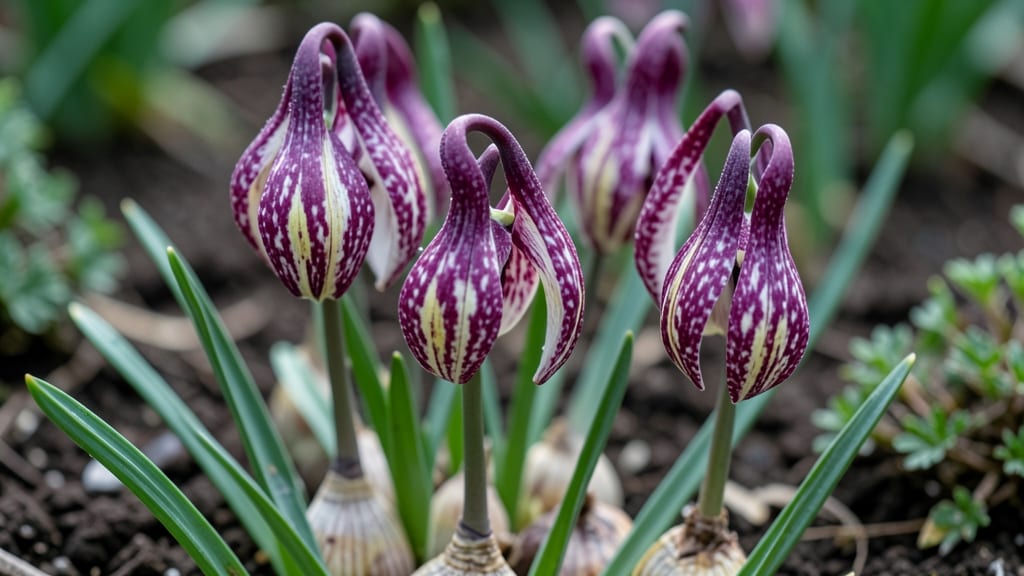
Forcing snakes head fritillary bulbs indoors is like unlocking a secret garden—those striking, checkered blooms appear when you least expect them. 🌱 I’ve struggled with finicky bulbs before, but this one rewards patience with dramatic results. The key? Mimicking their natural autumn chilling cycle, which tricks them into blooming early.
You’ll need just a few simple supplies: snakes head fritillary bulbs (available from specialty bulb sellers), a pot with drainage, and a cool, dark spot for the chilling phase. Plant them in well-draining soil, water lightly, and let them rest for 8-12 weeks before bringing them into light.
It’s not complicated—just precise timing. Once you bring them into bloom, you’ll be rewarded with 3-4 inch flowers that look like they belong in a fairy tale. The scent is subtle but addictive, and the blooms last for weeks if you keep them cool.
These aren’t just pretty faces—they’re hardy enough to naturalize in your garden too. The trickiest part? Avoiding rot during dormancy. Too much water kills them, but too little stunts growth. Balance is everything, and once you get it right, you’ll have a foolproof way to bring early spring indoors.
Let’s get those bulbs blooming!
📚 In This Guide
- What you need
- Instructions
- Tips and common mistakes
- Wrapping up and next steps
What you need
- ● Snakes Head Fritillary bulbs: 3–5 bulbs (larger bulbs = better blooms!)
- ● Well-draining potting mix: 2–3 gallons (use a blend for bulbs, like 50% peat/50% perlite or cactus mix)
- ● Pot with drainage holes: 6–8" diameter (terracotta or ceramic works best)
- ● Gravel or perlite: 1–2 inches (for drainage at the pot’s bottom)
- ● Spray bottle: For gentle watering during chilling
- ● Plastic bag or clear container: With a lid (for humidity during forcing)
- ● Refrigerator or cool dark space: 35–45°F (1–7°C) for 8–12 weeks
- ● Grow lights or sunny windowsill: Bright, indirect light after chilling
- ● Bulb fertilizer: 1 tsp of balanced 10-10-10 or bulb-specific food (mix into soil)
- ● Thermometer: To monitor chilling temps accurately
- ● Humidity tray: With pebbles and water (for extra moisture during forcing)
- ● Support stakes: If stems grow tall (though fritillaries are usually self-supporting!)
How to force snakes head fritillary bulbs indoors for stunning spring blooms
Here's the method I've perfected over years of forcing these delicate beauties—no greenhouse needed.
🌱 Step 1: Select and Prepare the Bulbs
Choose firm, plump bulbs with a diameter of at least 2 inches—smaller ones often fail to bloom. I like to soak them in a 1% hydrogen peroxide solution (1 part 3% peroxide to 9 parts water) for 15 minutes before planting. This sterilizes the outer skin and prevents rot during the long chilling period ahead.
Use a well-draining potting mix—I blend equal parts cactus/succulent mix and perlite to mimic their natural rocky soil. Fill a shallow container (like a 6-inch-wide nursery pot) with the mix, leaving 1 inch of space at the top. Plant bulbs 3 inches deep, spacing them 2 inches apart in a loose cluster. This mimics their woodland understory growth pattern.
⏰ Step 2: Replicate Autumn Conditions Through Chilling
Place the planted bulbs in a dark, cool location (like a refrigerator crisper drawer) where temperatures stay between 35-45°F. I wrap the pot in a black plastic bag to maintain high humidity—this prevents the bulbs from drying out during their 12-16 week dormancy period. Check monthly to ensure no mold forms; if you see fuzzy growth, increase airflow slightly.
This chilling period is critical—it mimics the natural autumn/winter cycle these bulbs experience in their native habitats. Without it, they'll either refuse to bloom or produce weak, spindly stems. I mark my calendar 16 weeks before my target bloom date to time this perfectly.
☀️ Step 3: Trigger Growth with Controlled Light Exposure
After chilling, move the pot to a bright, indirect light spot (like an east-facing windowsill). You'll notice green shoots emerging in 2-3 weeks—this is your cue to increase light gradually. I use a grow light on a 12-hour timer to prevent leggy growth, positioning it 6-8 inches above the plants.
Keep the soil barely moist—never soggy. Overwatering at this stage causes bulb rot, while underwatering stunts growth. You'll see the first true leaves (not the tiny cotyledons) appear after 4-6 weeks of growth. This is when you can start fertilizing lightly with a balanced liquid fertilizer (like 10-10-10) diluted to half-strength.
🌿 Step 4: Support and Encourage Blooming
As stems elongate, they'll become top-heavy and prone to flopping. I insert 3-inch bamboo stakes into the soil beside each cluster and gently weave the stems through them. This prevents breakage when the unique, snake-like blooms appear. The flowers typically emerge 8-10 weeks after the first leaves, so patience is key.
Keep the environment cool (55-65°F) and humid—these bulbs despise heat. If your home runs warm, mist the foliage daily or place a pebble tray beneath the pot. The blooms last 2-3 weeks, so enjoy them while they last—they're one of spring's most unusual floral treasures.
✂️ Step 5: Post-Bloom Care and Bulb Revival
After flowering, allow the foliage to yellow and die back naturally—this recharges the bulbs for next year. I reduce watering but never let the soil dry completely. Once the leaves turn brown and crisp, remove the pot from the grow light and store it in a cool, dark place (like a basement) for 8 weeks before repeating the process.
Here's the thing—these bulbs are not perennial in most climates, so treat each forcing as a one-time spectacle. With proper care, they'll often rebloom the following year, but don't count on it. I've found that replanting fresh bulbs annually guarantees the best results every time.
Tips & tricks for perfectly forced snakes head fritillary blooms
Forcing these delicate woodland beauties indoors takes patience and precision—here's how to avoid the most common pitfalls.
The Chilling Secret: That 12-16 week dormancy period in Step 2 isn't just arbitrary—it's mimicking the natural autumn/winter cycle these bulbs experience. I've found that consistent 35-45°F temperatures are non-negotiable. If your fridge fluctuates, consider a dedicated cool cellar or basement corner. The key is creating that stable, dark environment where the bulbs believe winter has arrived.
Bulb Selection Matters: Don't skimp on size! Those 2-inch minimum diameter bulbs from Step 1 are your ticket to robust blooms. I've tried smaller ones—they either refuse to flower or produce puny stems. Look for firm, heavy bulbs with papery skins; any that feel soft or shriveled will rot during chilling. The 15-minute hydrogen peroxide soak isn't optional—it's your insurance against fungal issues during that long dormancy.
Light Transition Strategy: When you move your chilled bulbs to light in Step 3, gradual exposure is everything. I start with just 3 hours of indirect light daily for the first week, then increase by 1 hour each week until reaching full light. This prevents the shock that causes leggy, weak stems. The 2-3 week window for first shoots is your green light to increase light intensity—don't rush this transition.
Humidity Hack: The black plastic bag in Step 2 isn't just for moisture—it's creating a microclimate. If you notice condensation forming on the inside, that's perfect. For the growth phase in Step 3, I place my pot on a tray of pebbles with water beneath (but not touching the pot) to maintain that critical humidity. These bulbs come from damp woodland floors—they'll reward you with stronger growth when you mimic their natural environment.
Pro Tips for Snakes Head Fritillary Bulbs
- Forcing these delicate woodland beauties indoors takes patience and precision—here's how to avoid the most common pitfalls.
- The Chilling Secret: That 12-16 week dormancy period in Step 2 isn't just arbitrary—it's mimicking the natural autumn/winter cycle these bulbs experience.
- Bulb Selection Matters: Don't skimp on size!
Frequently asked questions
Got questions about growing snakes head fritillary bulbs? You’re not alone! Here are answers to the most common queries to help you master these stunning blooms—whether you’re forcing them indoors or planting outdoors.
When is the best time to plant snakes head fritillary bulbs?
Plant bulbs in fall (September–November), mimicking their natural dormancy period. For indoor forcing, chill bulbs in the fridge (35–45°F) for 12–16 weeks before potting. If planting outdoors, choose well-draining soil and a spot with partial shade—they thrive in USDA zones 3–8.
How long do I need to chill the bulbs before forcing?
The key to success is consistent chilling! Most growers recommend 12–16 weeks in a cool, dark place (like a fridge). Place bulbs in a paper bag with slightly damp peat moss to prevent drying. Pro tip: Mark the start date so you know when to transition to warmth!
Why aren’t my snakes head fritillary bulbs blooming?
Common culprits include:
- Insufficient chilling—bulbs need cold to trigger blooms.
- Too much light too soon—wait until shoots appear before moving to bright, indirect light.
- Overwatering—keep soil moist but not soggy during dormancy.
If bulbs sprout but no flowers form, try extending the chill period or adjusting light exposure.
Can I grow snakes head fritillaries from seed instead of bulbs?
Yes, but it’s a slower process! Seeds take 3–5 years to mature into flowering plants. For quick results, stick with bulbs. If you’re patient, sow seeds in fall in well-draining soil—keep them moist until germination (which can take weeks).
How do I care for bulbs after they bloom?
Once flowers fade, stop watering and let foliage yellow naturally. This helps bulbs store energy for next year. For indoor bulbs, remove dead flowers but keep them in a cool, dark spot until fall. Outdoor bulbs may rebloom if conditions are right—just divide clumps every 3–4 years to prevent overcrowding.
Wrapping up and next steps
Growing snakes head fritillary bulbs indoors is a rewarding way to bring early spring’s magic into your home—especially with the right autumn chilling tricks! 🌱 By following these steps, you’ll unlock vibrant blooms that’ll steal the show, whether you’re a seasoned gardener or a curious beginner.
Now that you’re armed with the know-how, why not give it a try this fall? Start prepping your bulbs today, and soon, you’ll be surrounded by their whimsical charm.