
Planting
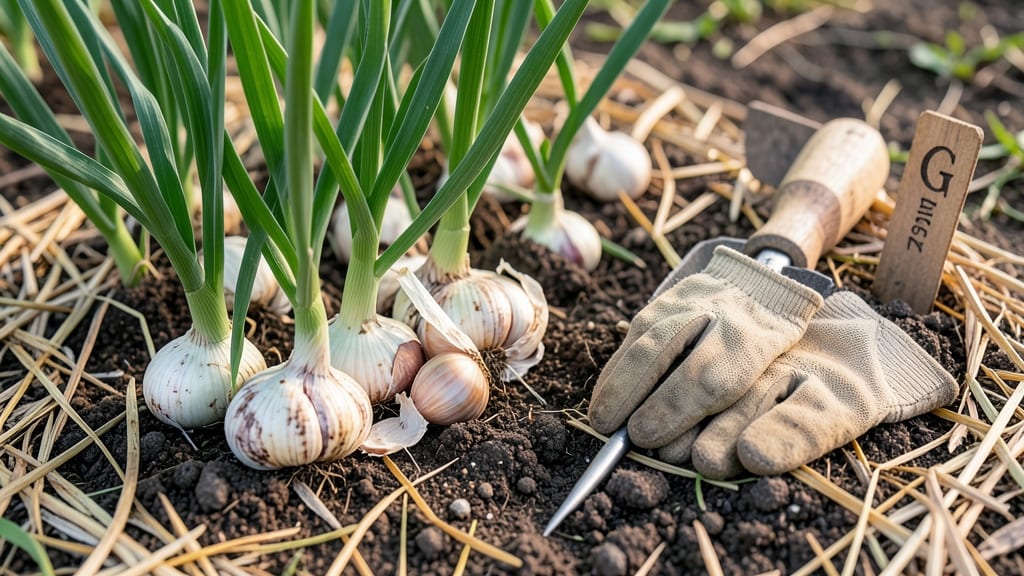
The best time to plant allium bulbs 🌷 depends on chill hours and soil temperature — and getting it wrong can leave you with weak growth or no blooms at all.
Struggling to get your allium bulbs to thrive? You’re not alone. Many gardeners miss the 6-8 week window before the first frost in fall or the 4-6 week mark before the last frost in spring.
These timings are critical because alliums need cold exposure to develop properly, and planting too early or late can disrupt their natural cycle.
In Zone 6a (default for unspecified location), that means aiming for mid-September to early October for fall planting or early March for spring. But soil temperature matters just as much: bulbs should go into 40-60°F soil to avoid rot or stunted growth.
If your soil is too warm or cold, your alliums may not establish roots properly, leading to poor harvests.
Below, I’ll break down the exact planting windows by climate, how to test soil temperature, and the best depth for different allium varieties—so you can finally get those vibrant blooms you’ve been waiting for.
Best allium bulbs planting time by climate Zone & chill hours required
Getting your allium bulbs to thrive starts with planting at the right time. Unlike many plants, alliums—including garlic, onions, chives, and ornamental varieties—require specific chill hour exposure (typically 0-10°F) and soil temperatures between 40-60°F to establish strong roots before spring growth.
Miss these windows, and you risk weak growth or no blooms at all.
Your USDA climate zone determines the best planting window. Northern gardeners (Zones 3-5) can plant 6-8 weeks before first frost (usually September-October), while Southern gardeners (Zones 6-10) should aim for October-November or early spring. Let’s break down the exact timing for your region.
In Northern climates (Zones 3-5), focus on fall planting for hardneck garlic and onions. These varieties need winter chill to form bulbs properly. For example, in Zone 4, aim to plant by October 1st to ensure bulbs establish roots before freezing.
If you miss fall, spring planting is possible but yields may be smaller.
Southern gardeners (Zones 6-10) have more flexibility. Chives and ornamental alliums can handle fall or spring planting, but avoid planting too early—soil temps above 60°F can cause bulbs to sprout prematurely. In Zone 8, plant ornamental alliums in November or wait until February-March for spring blooms.
For garlic and hardneck onions, chill hours are critical. If you live in a mild-winter zone (Zones 7-10), consider pre-chilling bulbs in your fridge for 6-8 weeks before planting. This mimics winter conditions and boosts bulb formation. Store bulbs in a paper bag at 35-40°F for best results.
One common mistake? Planting too late in fall or too early in spring. If soil temps rise above 60°F before bulbs root, they’ll sprout too soon and weaken.
Use a soil thermometer to check—ideal temps are 40-60°F at planting time. In Zone 5, this usually means late September for garlic.
Don’t forget about soil preparation. Alliums hate soggy soil—amend your beds with compost to improve drainage. If your soil stays wet, bulbs will rot. In clay-heavy soils (Zones 6-7), mix in sand or perlite to create a loose, airy texture.
This is especially important for ornamental alliums, which need well-draining conditions to thrive.
Regional adjustments matter! In Pacific Northwest (Zones 7-9), plant garlic in October to avoid winter rains. In the Southeast (Zone 8), wait until November to prevent fungal diseases from excess moisture. Always check your local frost dates—extension offices provide free planting guides tailored to your area.
Pro tip: Mark your calendar with 3 key dates—first frost, last
Allium bulbs soil temperature & depth secrets for strong growth
Planting allium bulbs at the right soil temperature and depth is like giving them a perfect foundation—too shallow or too deep, and their growth suffers. I’ve learned the hard way that ignoring these details leads to rotten bulbs or stunted flowers.
The key? Understanding how soil warmth triggers sprouting and how planting depth affects root development.
Most allium varieties thrive when soil temperatures hover between 40°F and 60°F. This range ensures roots establish before top growth kicks in. To test your soil’s warmth, use a soil thermometer—stick it 4-6 inches deep (the depth where bulbs will sit) and check readings before planting.
If your soil is colder than 40°F, wait a few weeks or use black plastic mulch to warm it faster.
🌱 Allium Bulbs Planting Secrets
- Soil Temp: 40–60°F (use thermometer)
- Depth: 2–4x bulb diameter (6–8" deep)
- Drainage: Amend clay soil with compost/sand
- Avoid: Waterlogged spots (rot risk)
Pro Tip: Plant in well-draining soil—alliums hate soggy roots!
When it comes to planting depth, follow this rule: dig a hole 2 to 4 times the bulb’s diameter. For most alliums, that’s 6 to 8 inches deep. Shallower plantings expose bulbs to temperature swings, while deeper holes can suffocate roots.
Place bulbs with their pointy ends up—this ensures proper sprouting direction. If you’re unsure, check the bulb’s base; the flat side should face downward.
Prepping the soil is just as critical. Alliums despise waterlogged conditions, so if your garden has heavy clay, mix in compost or sand to improve drainage. A quick test: Dig a hole, fill it with water, and wait.
If water drains within an hour, your soil’s ready. If not, amend it before planting. Mulching with straw or leaves after planting helps retain moisture while keeping roots cool.
Watch for premature sprouting—a sign your bulbs are too warm. If green shoots appear before planting, store them in the fridge for 2–4 weeks to mimic winter dormancy. Mold or soft bulbs?
That’s usually overwatering or poor drainage. Adjust your watering schedule to keep soil moist but not soggy, and consider raised beds if your native soil is problematic.
Remember, consistency is key. Alliums planted at the right depth in well-prepared soil will reward you with bold blooms and fewer headaches. Next time you’re digging holes, grab that thermometer and measure twice—your future alliums will thank you! 🌷