
Blooming
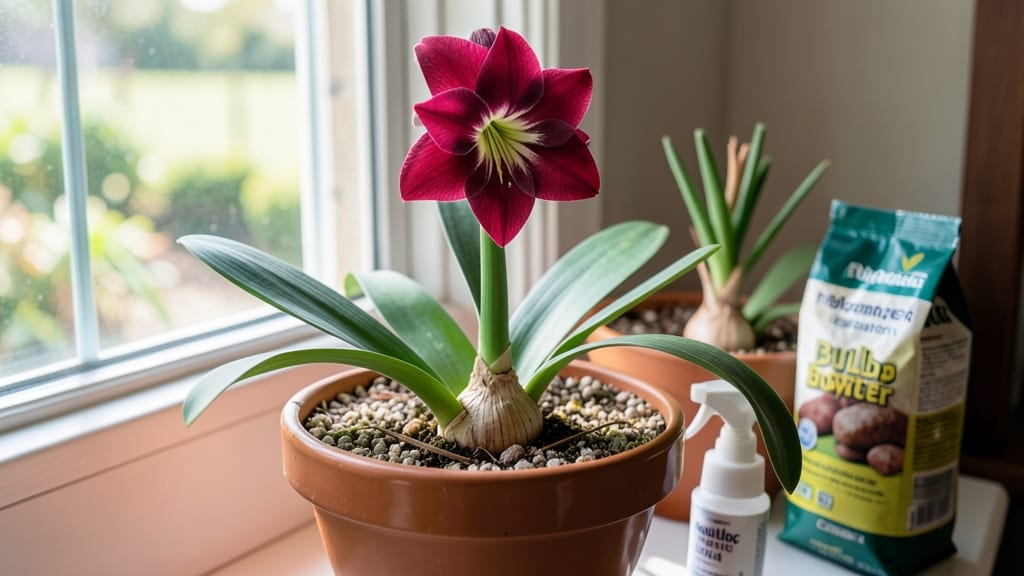
Your amaryllis bulbs can bloom twice a year with the right winter care—no waiting required. 🌱 I’ve forced mine to rebloom every December by tweaking just three key things: light, water, and dormancy timing.
Most people miss the simple adjustments that make the difference between a single spring bloom and a winter showstopper.
The secret starts with 6-8 weeks of dormancy after the first bloom. Let the leaves yellow naturally, then store bulbs in a cool, dark spot at 50-60°F with minimal water.
After that, bring them back into bright light (but not direct sun) and water sparingly until you see new shoots. Overwatering or skipping dormancy kills reblooming chances every time.
By December, you’ll have bold, deep-red blooms again—this time without the long summer wait. The bulbs stay healthier each year, and the process becomes second nature. No more sad, single-season displays when you could have winter magic instead.
Works for any variety, from classic reds to exotic pinks. The only catch? You’ve got to start the dormancy phase in late summer. Let’s get those bulbs reblooming reliably.
📚 In This Guide
- What you need
- Instructions
- Tips and common mistakes
- Wrapping up and next steps
What you need
- ● Mature amaryllis bulbs: 1–3 bulbs (ensure they’re healthy with no soft spots or mold).
- ● Well-draining potting mix: 2–3 gallons (use a cactus/succulent blend or add perlite/pumice for aeration).
- ● Pot with drainage holes: 1–2 containers (12–16 inches in diameter, slightly larger than the bulb).
- ● Watering can or spray bottle: For gentle hydration (avoid soggy soil!).
- ● Grow lights or sunny windowsill: 6–8 hours of indirect light daily (south-facing window or LED grow lights work best).
- ● Fertilizer: Balanced liquid fertilizer (10-10-10 or 20-20-20, diluted to half-strength).
- ● Peat pellets or sphagnum moss for moisture retention.
- ● Thermometer to monitor soil temps (ideal: 65–75°F).
- ● Decorative pot or cachepot for a polished look (after blooming!).
- ● Root stimulator (like seaweed extract) for a post-bloom boost.
How to force amaryllis bulbs to rebloom indoors
Here's how I trick amaryllis into blooming again—no waiting for spring, just winter magic.
🌱 Step 1: Choose Healthy Bulbs and Prepare the Pot
Pick bulbs that bloomed well last year—look for firm, plump ones with no soft spots. I always reuse the same pot (a 6-8 inch diameter container works best) because amaryllis roots grow deep and hate being disturbed. If you're repotting, use fresh potting mix (never garden soil—it compacts too much).
Fill the pot about ⅓ full with soil, then place the bulb on top with its base (where roots emerge) facing down. The top ⅓ of the bulb should stay exposed—this is key for reblooming. Press gently around the sides to anchor it, then add more soil until the bulb sits half-buried. Don't pack it down too hard; amaryllis roots need air to breathe.
☀️ Step 2: Mimic Summer Conditions for 8-10 Weeks
Move the pot to a spot with bright, indirect light—think east or west window, or under grow lights. Amaryllis bulbs need 6-8 hours of light daily, but avoid harsh midday sun, which can scorch the leaves. If your home runs cool (below 65°F), supplement with a heat mat set to 70-75°F—this mimics summer soil temps and triggers blooming.
Water sparingly during this phase—just enough to keep the soil slightly moist (stick your finger in: if the top inch feels dry, water lightly). Overwatering now causes rot. Watch for new green shoots emerging from the sides of the bulb—that's your signal the bulb is waking up. Once you see 2-3 inches of growth, you can increase watering to once a week.
💧 Step 3: Encourage Flower Stems with Controlled Stress
After 8-10 weeks of steady growth (when leaves reach 6-8 inches tall), it's time to shock the bulb into blooming. Move it to a cooler spot (55-60°F) and reduce watering to just enough to keep the soil from drying out completely. This mimics the natural drought period bulbs experience before flowering. You'll notice the leaves slow their growth—this is normal and necessary.
Here's the thing—don't panic if the leaves yellow slightly. As long as the bulb itself stays firm, it's just conserving energy. After 2-3 weeks of this treatment, move the pot back to its warm, bright spot and resume regular watering. Within 4-6 weeks, a bare flower stalk will emerge from the center of the bulb. This is the moment that matters: patience pays off.
⏰ Step 4: Support Blooms and Prepare for Next Year
Once the flower stalk reaches 6-12 inches tall, you'll see buds forming. This is when amaryllis needs extra care. Water deeply once a week and fertilize lightly with a balanced liquid fertilizer (10-10-10) every 2 weeks. Avoid overwatering—soggy soil causes buds to drop. If your home is dry, mist the leaves occasionally to keep them crisp.
After the blooms fade, don't cut the leaves—they feed the bulb for next year's flowers. Let them yellow naturally, then trim them back when they're brown and crisp. Store the pot in a cool, dark place (50-60°F) and water monthly to keep the bulb dormant but alive. In late summer, bring it back into light and repeat the cycle.
Tips & tricks for perfect amaryllis reblooming
These little tricks make all the difference between a sad, dormant bulb and a showstopping winter bloom.
Bulb Selection: Confession: I skipped this step for years and wondered why my bulbs never rebloomed. Always choose bulbs that flowered well last season—look for firm, plump ones with no soft spots or wrinkles. The thicker the bulb, the more energy it has stored for reblooming. If you're repotting, use a pot just 1-2 inches larger than your bulb's diameter for best results.
Lighting Secret: That 6-8 hours of bright, indirect light is non-negotiable. I learned this the hard way when my first attempt ended with sad, leggy leaves. Place your pot near an east or west window where it gets morning or afternoon sun. If you must use artificial light, LED grow lights work best—keep them about 6 inches above the leaves for consistent coverage.
Temperature Matters: The 70-75°F range during the 8-10 week growth phase isn't just arbitrary—it mimics summer soil temperatures that trigger blooming. If your home runs cooler, invest in a small heat mat (they're cheap!) to keep the soil warm. Pro tip: Place your thermometer near the pot, not just in the room—wall thermostats often read 5-10°F cooler than actual plant conditions.
Stress Technique: That 2-3 week cool period (55-60°F) is where the magic happens, but timing is everything. Watch for leaves to slow growth before moving back to warmth—this tells you the bulb is ready to bloom. I mark my calendar 2 weeks after leaves reach 6-8 inches to remind myself when to return the pot to warmth. Don't rush this step; the bulb needs this energy conservation period to produce flowers.
Pro Tips for Amaryllis Bulbs Reblooming
- These little tricks make all the difference between a sad, dormant bulb and a showstopping winter bloom.
- Bulb Selection: Confession: I skipped this step for years and wondered why my bulbs never rebloomed.
- Lighting Secret: That 6-8 hours of bright, indirect light is non-negotiable.
Frequently asked questions
Got questions about keeping your amaryllis blooming year after year? You’re not alone! Here are the most common concerns—and quick fixes—to help your Hippeastrum shine again and again.
How long does it take for an amaryllis bulb to rebloom after forcing?
With proper care, your bulb can produce a second (or even third!) bloom 8–12 weeks after its first flowering. The key is maintaining bright light, consistent watering, and a short rest period (6–8 weeks of dormancy) between blooms. Patience pays off—think of it as training a star performer!
Can I rebloom an amaryllis bulb indoors year-round?
Technically yes, but it’s tricky! Indoor reblooming works best if you mimic seasonal changes: 6–8 weeks of dormancy (cool temps, minimal water) followed by bright light and warmth. Without this cycle, bulbs may bloom weakly or not at all. A sunny windowsill or grow light is your best bet for consistent results.
Why isn’t my amaryllis reblooming? Troubleshooting tips.
Common culprits include:
- Lack of dormancy: Skipping the rest period signals the bulb to “save energy” instead of blooming.
- Overwatering: Soggy soil = root rot. Let the top 2 inches dry out between waterings.
- Poor light: Amaryllis crave 6+ hours of direct light daily. South-facing windows or grow lights help.
- Old or weak bulbs: Bulbs over 5 years old may struggle. Divide clumps or replace them for fresh blooms.
What’s the best way to store amaryllis bulbs for dormancy?
After blooming, trim faded flowers and leaves to half their length, then store bulbs in a cool (50–60°F), dry place (like a garage or basement). Use a paper bag with holes or a mesh container to allow airflow. Check monthly—discard any bulbs that feel mushy or smell off.
Can I rebloom amaryllis bulbs bought from stores?
Store-bought bulbs can rebloom, but they’re often primed for a single show. Give them 6–8 weeks of dormancy first, then repeat the forcing process. For better results, choose “reblooming varieties” like ‘Apple Blossom’ or ‘Parrot’, which are bred for multiple cycles.
Wrapping up and next steps
Reblooming your amaryllis bulbs is a rewarding way to enjoy vibrant winter blooms year after year! With the right care—like proper light, watering, and dormancy—you can coax those stunning flowers back into action without long waits.
Start small, experiment with techniques, and soon you’ll be the envy of your garden with multiple blooms per season!
Ready to take the next step? Grab your bulbs, follow the steps, and track your progress—your amaryllis will thank you with a dazzling show! 🌸