
How To
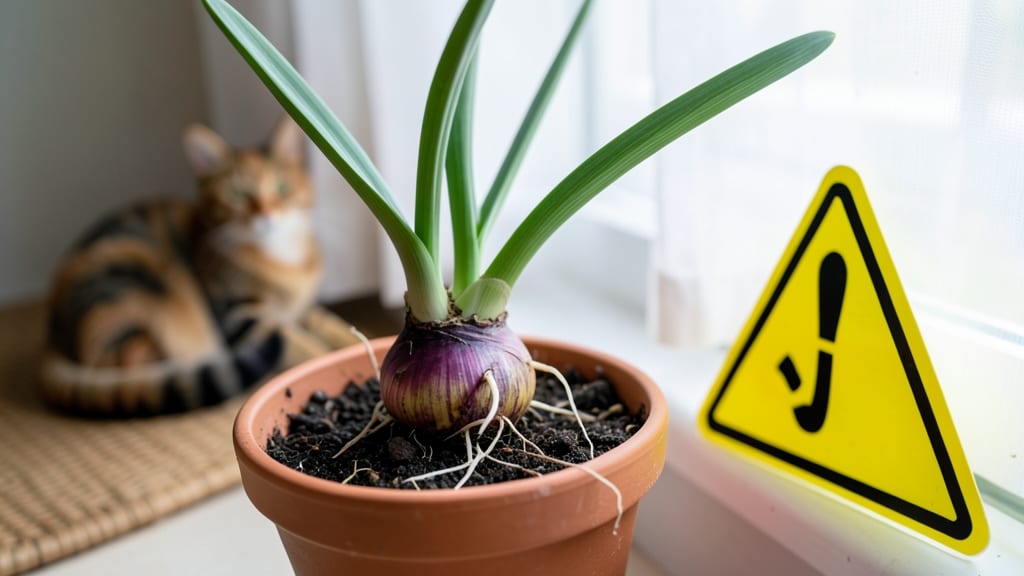
Amaryllis bulbs are toxic to pets and children, containing lycorine and other alkaloids that cause vomiting, diarrhea, drooling, and lethargy if ingested. Keep them out of reach and seek veterinary help immediately if exposure occurs.
Amaryllis bulbs contain lycorine, a potent alkaloid that disrupts normal bodily functions when ingested. 🔥 This compound primarily affects the digestive system, triggering severe vomiting and stomach cramps within 6-12 hours of exposure.
The severity depends on how much is consumed—small amounts may cause mild symptoms, while larger ingestions can lead to more dangerous effects like tremors or even cardiac issues in extreme cases.
Even the bulb's skin contains enough toxins to be harmful, so curious pets or children shouldn't be allowed near them.
For pet owners, the key is prevention. Place amaryllis plants in areas inaccessible to pets, like high shelves or hanging planters. If you suspect ingestion, contact your vet or the ASPCA Animal Poison Control Center immediately—they can provide specific guidance based on your pet's size and the amount consumed.
Always keep the plant's packaging and any discarded bulbs securely stored away as well.
💡 In This Article
- Toxic Compounds in Amaryllis Bulbs and Their Effects
- Safe Handling and Pet-Proofing Your Amaryllis Plants
Toxic compounds in amaryllis bulbs and their effects
Amaryllis bulbs contain lycorine, a potent alkaloid that disrupts cellular processes in mammals. This compound works by inhibiting protein synthesis, particularly in the digestive tract and nervous system.
The bulb's skin and even its juice contain concentrated lycorine, making it dangerous even if just chewed or licked. 🔥 For reference, just 1-2 grams of bulb tissue (about the size of a small pea) can trigger symptoms in cats and dogs.
The effects vary by dosage but typically begin with gastrointestinal distress—vomiting, diarrhea, and excessive drooling—within 6-12 hours of ingestion. In severe cases, lycorine can affect the cardiovascular system, causing abnormal heart rhythms or low blood pressure.
Children are particularly vulnerable because their smaller body weight means even tiny amounts can have disproportionate effects. The bulb's texture—firm yet moist—makes it tempting for pets to chew, while its mild sweetness can attract curious kids.
What makes lycorine so concerning is its persistence. Even dried or cooked bulb tissue retains toxicity, though cooking may reduce potency by 10-20%. The compound's molecular structure allows it to bind to cellular receptors, disrupting normal metabolic functions.
For comparison, lycorine's toxicity is similar to that of foxglove (digitalis), another plant with cardiac effects, but amaryllis bulbs are more commonly found in home gardens.
Symptoms often escalate based on how much is consumed. A small bite might cause mild vomiting, while a large ingestion (e.g., an entire bulb) could lead to seizures or coma. The nervous system effects—like tremors or lethargy—occur when lycorine crosses the blood-brain barrier.
This is why immediate veterinary care is critical, as supportive treatment (like IV fluids) can help flush the toxin from the system before permanent damage occurs.
Interestingly, lycorine isn't the only toxic compound in amaryllis. The bulb also contains galantamine, an alkaloid that affects acetylcholine receptors in the brain, potentially causing confusion or hallucinations in extreme cases.
Together, these compounds create a dangerous combination that requires careful handling. Even the plant's pollen can irritate eyes or skin, making it a multi-faceted hazard.
To put this into perspective, consider that 100 grams of amaryllis bulb tissue (roughly the size of a large bulb) could be lethal to a small dog or child.
The key is recognizing the risk early—symptoms like excessive drooling or pacing (a sign of discomfort in pets) should prompt immediate action. Unlike some plants that cause delayed reactions, amaryllis toxicity manifests relatively quickly, giving you a narrow window to intervene.