
Planting
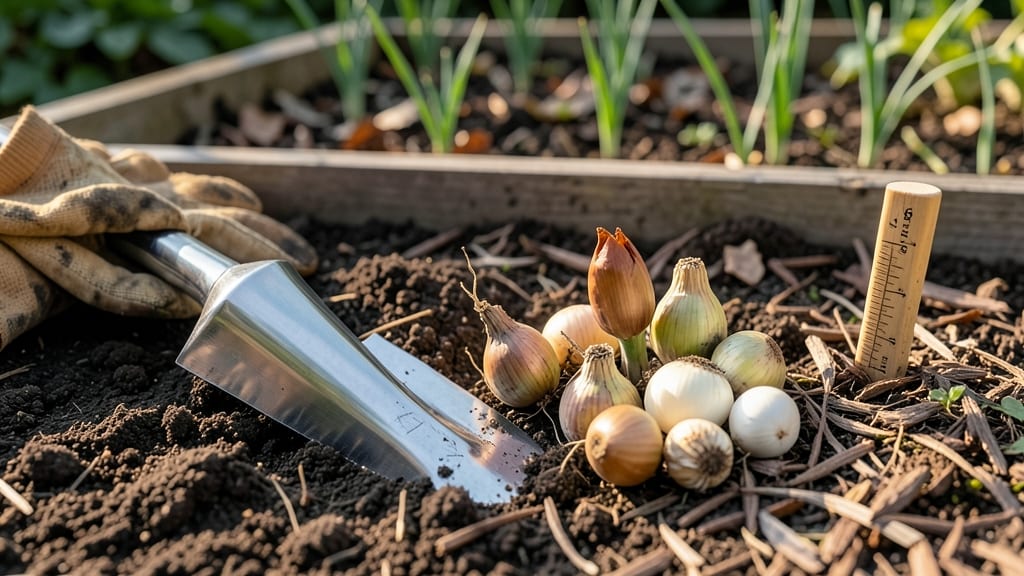
Planting bulbs in Chicago 6-8 weeks before the first frost is the secret to vibrant spring blooms that beat the frost race every time.
Chicago’s unpredictable weather can turn bulb planting into a guessing game—but timing your spring and fall plantings correctly ensures vibrant blooms year after year. Master the ideal window for USDA Zone 6a to avoid frost damage and maximize flower displays.
Fall is the golden window for classic bulbs like tulips and daffodils 🌷, while late spring offers a second chance for summer-flowering varieties. The key? Planting 4-6 weeks before the last frost in early spring or 6 weeks before the ground freezes in fall.
In this guide, I’ll walk you through the exact dates for Chicago’s climate, soil prep tips, and how to adjust for microclimates—so your bulbs thrive no matter where you garden.
Best fall planting times for spring-blooming bulbs in Chicago
Chicago’s fall planting window for spring-blooming bulbs like tulips, daffodils, and hyacinths is your golden opportunity to ensure vibrant spring displays.
The key is planting 6-8 weeks before the ground freezes, typically between mid-October and late November in USDA Zone 5B. This timing allows bulbs to establish roots before winter dormancy, ensuring they’ll burst into bloom next spring.
Local climate variations matter—Chicago’s first hard frost usually arrives by mid-October, but soil temperatures can stay warm longer in urban areas. Adjust your planting schedule based on your specific microclimate, aiming to finish by November 1st for safety. Late plantings risk frost damage before roots establish.
| Bulb Type | Planting Window | Depth (inches) | Spacing (inches) | Notes |
|---|---|---|---|---|
| Tulips | Mid-October to November 1 | 6-8 | 4-6 | Plant early for best blooms |
| Daffodils | October 15 to November 15 | 6-8 | 6-8 | Deer-resistant; great for borders |
| Hyacinths | October 1 to November 10 | 6-8 | 5-6 | Fragrant; plant in clusters |
| Alliums | October 1 to November 15 | 6-8 | 6-8 | Drought-tolerant; great for cut flowers |
Before planting, prepare your soil by amending it with compost or well-rotted manure to improve drainage—a critical factor in Chicago’s clay-heavy soils. Aim for a pH between 6.0 and 7.0, which most spring bulbs prefer.
Test your soil if unsure, as compacted or waterlogged soil can lead to bulb rot during winter.
For frost protection, apply a 2-3 inch layer of mulch (straw or shredded leaves) after planting. This insulates bulbs from extreme temperature swings and prevents heaving during freeze-thaw cycles. In particularly cold years, consider adding a thin layer of evergreen boughs over the mulch for extra insulation.
Water bulbs deeply after planting to encourage root growth, then reduce watering as temperatures drop. Avoid overwatering in late fall, as soggy soil can suffocate bulbs. Aim for 1 inch of water per week until the ground freezes solid. This balance ensures bulbs stay hydrated without becoming waterlogged.
Chicago’s urban heat islands can delay frost in city centers, while suburban areas may freeze earlier. Monitor local forecasts and adjust your planting timeline accordingly. For example, plant tulips in early October in suburban areas but wait until mid-October in downtown neighborhoods where soil stays warmer longer.
If you miss the fall window, don’t worry—many bulbs can also be planted in early spring (March-April), but they may bloom later in the season. However, fall planting guarantees stronger, earlier blooms with better vigor. Mark your calendar for October 15th, the ideal midpoint for most Chicago gardens.
For container gardening, use well-draining pots and plant bulbs at the same depth as their height. Place containers in a sheltered spot to protect them from winter winds.
In spring, move containers to a sunny location to encourage robust flowering. This method works well for balconies and patios where in-ground planting isn’t possible.
Finally, resist the urge to fertilize in fall—bulbs need to focus on root growth, not foliage. Wait until early spring when shoots emerge to apply a light fertilizer (5-10-10 ratio). This timing ensures bulbs have the nutrients they need to produce vibrant, long-lasting blooms next season.
Spring planting opportunities for summer/fall bulbs in Chicago’s climate
Chicago’s short growing season demands precise timing for summer-flowering bulbs like dahlias and alliums. Planting too early risks frost damage, while waiting too long cuts bloom time.
The ideal window is late April through early May, when soil temperatures consistently stay above 50°F—just before last frost dates (typically around April 15).
For perennial bulbs, prioritize varieties bred for Zone 5B resilience, such as ‘Kahori’ dahlias or ‘Globemaster’ alliums. These thrive in Chicago’s humid summers and offer extended bloom periods. Start with container-grown bulbs for faster establishment, especially in urban gardens with compacted soil.
🌱 Key Timing Tips for Chicago Bulbs
- 1. Soil Warmth Test: Use a soil thermometer—plant when temps reach 55°F+ at 4" depth. Cold soil stunts root growth.
- 2. Frost-Proofing: Cover newly planted bulbs with straw mulch (3–4 inches) if late-season frosts threaten. Remove mulch after danger passes.
- 3. Late Varieties: Opt for short-day bulbs like ‘Café au Lait’ dahlias, which bloom earlier than long-day types.
- 4. Post-Bloom Care: Leave foliage intact until yellowing (6–8 weeks post-bloom) to recharge bulbs for next year.
Chicago’s variable spring weather means flexibility is key. If April stays cold, delay planting until mid-May—just ensure bulbs get 6+ hours of sunlight daily. For container gardens, use heat-absorbing pots (black or dark brown) to warm soil faster.
Amend planting holes with compost to improve drainage, as Chicago’s clay soil can suffocate roots.
Extend your summer bloom season by staggering plantings. Start with early-season alliums (like ‘Purple Sensation’) in late April, then add dahlias 2–3 weeks later. This creates a continuous color display from June through frost. Water deeply once weekly after planting, focusing on the root zone to encourage strong establishment.
After blooms fade, don’t rush to clean up. Let foliage die back naturally to store energy for next year. For dahlias, cut back stems to 6 inches once yellow, then cover with mulch for winter protection.
In Zone 5B, hardy varieties like ‘Bishop’ dahlias often survive winters with minimal care, rewarding you with bold summer returns.
Pro tip: Mark your planting dates on a garden calendar to track progress. Chicago’s unpredictable May weather can delay blooms, so plan for potential setbacks. With the right timing and care, your summer bulbs will outshine even the city’s skyline. 🌿