
Plants
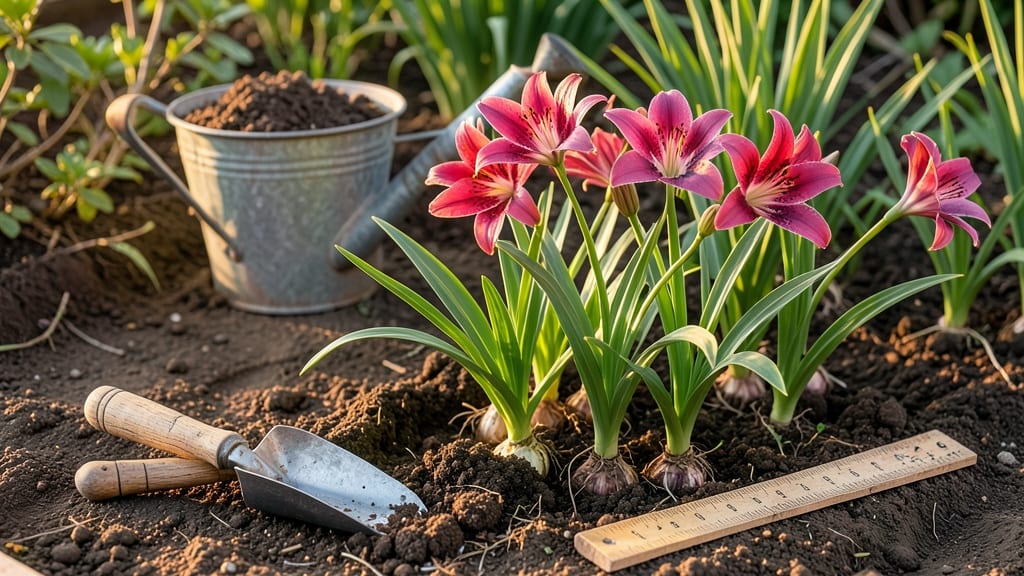
Planting lily bulbs in Zone 7 during early fall is the key to stunning spring blooms 🌷 — timing matters more than most gardeners realize.
Miss that window, and you risk bulbs sprouting too early or rotting in winter soil. I’ve seen both happen, and neither ends well. The secret lies in planting when soil temps hit 60°F but before the ground freezes—usually between September and October.
This guide breaks down the exact timing, soil prep, and depth rules for Zone 7’s 7a-7b climate, plus how to spot mistakes before they derail your lilies.
By the end, you’ll know not just when to plant, but how to set them up for stronger roots and bigger blooms next summer.
Ideal fall planting timeline for Zone 7 lily bulbs
Timing is everything when planting lily bulbs in Zone 7. The 4-6 week window before your first frost—typically mid-September to early November—gives bulbs time to establish roots before winter dormancy.
Plant too early, and they may sprout prematurely; too late, and frost damage risks their survival. Let’s break down the perfect schedule for your region.
Zone 7 spans 7a (0-5°F avg. min) and 7b (5-10°F avg. min), with average first frost dates ranging from November 15 (7a) to November 22 (7b). Soil temperatures should be below 60°F but above freezing—ideal conditions for root growth without active shoot development.
📅 Key Dates for Zone 7:
- 7a: Plant between September 15-October 15
- 7b: Plant between September 22-October 22
Adjust these dates 1-2 weeks earlier for inland areas (hotter summers) or 1-2 weeks later for coastal regions (milder winters).
For Zone 7a gardeners, aim to plant by October 15—this gives bulbs 6-8 weeks to root before ground freezes. In Zone 7b, you have until November 1, but monitor soil temperatures closely. Use a soil thermometer to confirm temps are below 60°F but not yet frozen.
Regional adjustments matter: Inland areas like Raleigh, NC or Lexington, KY may need earlier planting (by September 20) due to hotter summers, while coastal cities like Charleston, SC can wait until October 10. Check your local frost dates and count backward 6 weeks for your planting deadline.
If you miss the fall window, spring planting is possible but riskier. Plant in early spring (March) only if soil temps are consistently above 50°F and you’re willing to water deeply to prevent drought stress. Spring-planted bulbs often bloom 1-2 years later than fall-planted ones.
Pro tip: Chill your bulbs for 6-8 weeks at 40-50°F before planting if purchasing early. This mimics winter conditions and encourages stronger root growth. Store bulbs in a paper bag in your refrigerator’s crisper drawer until planting time.
After planting, mulch heavily (3-4 inches) with straw or shredded leaves to insulate bulbs from temperature fluctuations. Remove mulch in early spring to allow soil to warm and shoots to emerge.
Remember: Lily bulbs need cold exposure to bloom reliably. Skipping the fall planting window means missing out on next year’s showstopping blooms—worth the effort! 🌷
How to prepare lily bulbs for Zone 7 planting success
Preparing lily bulbs for Zone 7 planting requires careful attention to soil conditions, depth requirements, and post-planting care. Unlike spring planting, fall prep ensures bulbs establish strong roots before winter dormancy.
I’ve learned that skipping these steps often leads to rot or weak blooms—so let’s get it right!
First, inspect your bulbs for any signs of damage or disease. Healthy lily bulbs should feel firm and plump, with no soft spots or mold. If you notice any issues, discard those bulbs immediately to prevent spreading problems to your healthy plants.
Store healthy bulbs in a cool, dry place until planting.
Before planting, amend your soil with compost or well-rotted manure to improve drainage and fertility. Lilies thrive in soil that’s rich in organic matter but drains well to prevent waterlogging. Aim for a pH between 6.1 and 7.8—you can test your soil with a simple kit if you’re unsure.
⚠️ WARNING: Planting Too Early or Late in Zone 7 Lily bulbs planted too early (before soil temps drop below 60°F) risk sprouting prematurely, which weakens them before winter. Planting too late (after 4-6 weeks before frost) means roots won’t establish before freezing.
In Zone 7, aim for September to early October—this gives bulbs time to root before the ground freezes. If frost hits early, use mulch (3-4 inches) to insulate the soil.
When planting, dig holes 6-8 inches deep and space bulbs 6-12 inches apart, depending on the variety. Place each bulb with its nose (top) facing upward—this ensures proper growth.
Cover the bulb with soil and water thoroughly to settle it in. Avoid overwatering, as soggy soil can cause rot during winter.
After planting, apply a 2-3 inch layer of mulch around the base to protect bulbs from temperature swings and erosion. In Zone 7, this mulch layer also helps retain moisture during dry spells in early spring. Avoid heavy mulch piles directly on the bulbs, as this can suffocate them.
Finally, monitor your newly planted bulbs for signs of stress, like yellowing leaves or mold. If you notice any issues, adjust your watering or mulching practices immediately. With the right prep, your lilies will reward you with vibrant blooms next summer—worth the effort!