
Diseases
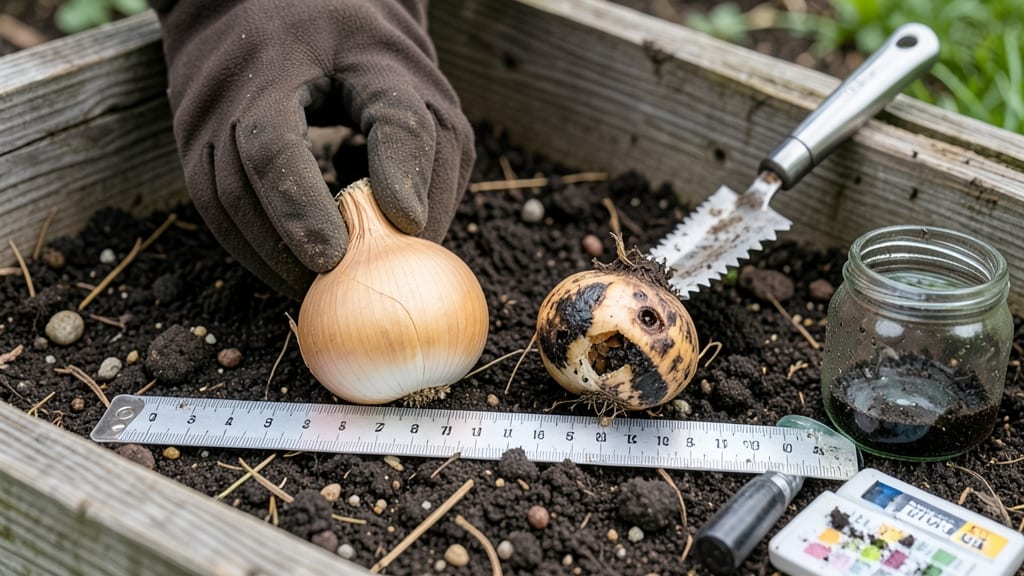
Wilted tulips before they even bloom? 🌷 That heartbreak happens when bad bulbs—whether rotten, diseased, or just past their prime—ruin your spring plans. I’ve salvaged dozens of "dead" tulip beds using simple science-backed checks, and you can too.
The key is catching issues early, whether it’s mushy bulbs, moldy roots, or stubborn refusal to sprout.
Most problems start underground: bulbs left too wet, stored at the wrong temperature, or planted too deep. Even healthy-looking bulbs can hide rot or pests inside.
My fail-safe method involves a quick bulb inspection (yes, digging them up!) and a 24-hour soak in fungicide—it’s saved me from throwing out entire bags of bulbs. You’ll know in minutes whether they’re worth replanting.
By the time you’re done, you’ll have a plan to revive what’s salvageable and replace what’s beyond help. The payoff? A garden that bursts with color next spring, not a sad patch of brown stems.
And the best part? This method works for daffodils, hyacinths, and other spring bulbs too. Let’s get those blooms back on track.
Whether you’re dealing with a single sad bulb or a whole bed of disappointments, this step-by-step approach cuts through the guesswork. No more wasting money on bulbs that won’t perform—just a clear path to tulips that thrive. Ready to turn this around?
Root Causes Of Poor Tulip Growth
Tulips are resilient, but when their bulbs fail to thrive, the issue almost always traces back to a few avoidable yet common problems. Understanding the science behind these causes helps you diagnose—and fix—the issue before it’s too late. Here’s what’s likely sabotaging your blooms:
Not all tulip bulbs are created equal. If you’ve planted old, diseased, or low-grade bulbs, they’ll struggle to produce vibrant flowers—or any flowers at all.
- Dormant or Depleted Bulbs: Tulip bulbs store nutrients in their scales, but after 3–5 years, these reserves deplete. Older bulbs may sprout leaves but fail to bloom because they lack the energy for flower production. Solution: Replace bulbs every 2–3 years for consistent blooms.
- Disease-Infected Bulbs: Fungal pathogens like Fusarium or Botrytis can lurk in bulbs, causing rot or stunted growth. Infected bulbs may appear shriveled, discolored, or mushy when cut open. Solution: Buy bulbs from reputable sellers and inspect them for soft spots or mold before planting.
- Improper Storage Before Planting: Tulips need a cool, dry (40–50°F) environment to stay dormant. Storing them in humid basements, garages, or near fruit (which releases ethylene gas) can trigger premature sprouting or rot. Solution: Store bulbs in a paper bag in a dark, well-ventilated space until planting season.
Tulips are not water-loving plants—they drown in soggy soil. Poor drainage or overwatering leads to bulb rot, which kills the plant before it even flowers.
- Overwatering: Tulip bulbs need moderate moisture but hate soggy conditions. Excess water suffocates roots and invites fungal growth. Signs: Yellowing leaves, soft bulbs, or a foul smell. Solution: Water only when the top 1–2 inches of soil are dry, and ensure your garden has good drainage (sandy loam is ideal).
- Poor Soil Drainage: Clay-heavy or compacted soil traps water around bulbs, leading to rot. Test your soil: Dig a hole, fill it with water, and time how long it takes to drain. If it’s slower than 4 hours, amend with compost or perlite.
- Improper Planting Depth: Bulbs planted too shallow (less than 6 inches deep) dry out, while those planted too deep (over 8 inches) struggle to push through the soil. Ideal depth: 2–3 times the bulb’s height, with the pointy end facing up.
Tulips are sun-worshippers, but extreme heat or cold—at the wrong time—can stall their growth or trigger early dormancy.
- Insufficient Sunlight: Tulips need full sun (6+ hours/day). In shady spots, they’ll produce long, weak stems with few or no blooms. Solution: Plant in the sunniest part of your garden, even if it means moving them after a few years.
- Late or Early Planting: Tulips require vernalization (a cold period) to bloom. Planting them too early (before soil temps drop below 50°F) can cause them to sprout and freeze. Planting too late (after winter) may result in no blooms that season. Best time: Fall, 6–8 weeks before the ground freezes.
- Heat Stress: If spring temperatures soar above 75°F before tulips bloom, flowers may bolt (shoot up too fast) and wilt. Solution: Plant heat-tolerant varieties (like Darwin Hybrid tulips) or provide afternoon shade in hot climates.
Tulips aren’t heavy feeders, but poor soil health can starve them of essential nutrients, leading to weak stems or no blooms.
- Lack of Phosphorus: This nutrient is critical for flowering. If your soil is deficient, tulips may produce leaves but no buds. Test your soil: A simple home kit can check phosphorus levels (ideal range: 20–40 ppm). Fix it: Add bone meal (high in phosphorus) at planting time.
- Compacted or Acidic Soil: Tulips prefer neutral to slightly acidic soil (pH 6.0–7.0). Compacted soil restricts root growth, while overly acidic soil (pH <5.5) locks out nutrients. Solution: Amend with lime (to raise pH) or gypsum (to loosen soil).
- Over-Fertilizing: Too much nitrogen (common in lawn fertilizers) promotes leafy growth at the expense of flowers. Solution: Use a balanced fertilizer (10-10-10 or 5-10-10) and avoid high-nitrogen feeds after planting.
Pro Tip: 🔍 Dig up a bulb after a season and inspect it. A healthy bulb should be firm, plump, and free of soft spots. If it’s shriveled or hollow, it’s time to replace it!
Revive Your Tulips: Step-by-Step Fixes
Disappointed by weak or wilted tulips? Don’t toss those bulbs just yet! With the right approach, you can often nurse them back to health—or at least salvage next year’s blooms. Below, we break down practical, science-backed solutions tailored to the most common causes of poor tulip performance. Follow these steps to diagnose, treat, and prevent future issues.
Cause: Bulbs planted too close together compete for nutrients, leading to stunted growth or no flowers.
How to Fix It:
- 🔪 Dig Up & Divide
- After foliage yellows (6+ weeks post-bloom), carefully dig up clumps.
- Gently separate bulbs, discarding any that are mushy, moldy, or shriveled.
- Replant healthy bulbs 3x their width apart and 6–8 inches deep in well-draining soil.
- 🌡️ Optimize Planting Conditions
- Soil: Amend heavy clay with compost or sand. Tulips hate soggy roots!
- Sunlight: Ensure full sun (6+ hours daily)—partial shade weakens blooms.
- Fertilizer: Use a balanced, low-nitrogen fertilizer (e.g., 5-10-10) at planting and again in early spring.
💡 Pro Tip: Label bulbs by variety if you’re dividing a mixed batch—some tulips (like Darwin Hybrids) multiply faster than others!
Cause: Too little or too much water stresses bulbs, causing yellowing, wilting, or rot.
How to Fix It:
Issue
Fix
Underwatered (dry, crispy leaves)
Overwatered (soft, blackened stems/bulbs)
✨ Prevention: Tulips are drought-tolerant once established—focus on consistent (not excessive) moisture.
Cause: Gray mold, botrytis, or bacterial rot appear as dark spots, mushy stems, or powdery growth.
How to Fix It:
- 🧼 Clean Up Immediately
- Remove all infected foliage/stems and dispose of them in the trash (not compost).
- Sterilize pruners with rubbing alcohol between cuts.
- 💊 Apply Fungicide
- Spray bulbs and soil with a copper-based fungicide (e.g., Copper Soap) or neem oil (1 tbsp/gallon water).
- Reapply every 7–10 days until new growth appears.
- 🌿 Boost Airflow
- Thin out overcrowded plants to improve circulation.
- Avoid watering leaves—use drip irrigation or water at the base.
🔥 Emergency Move: If bulbs are severely infected, dig them up, trim away rotten parts, and replant in fresh, sterile soil.
Cause: Chewed leaves, holes in bulbs, or stunted growth signal pest damage.
How to Fix It:
- 🐜 For Aphids/Spider Mites:
- Blast off pests with a strong stream of water.
- Spray with insecticidal soap or neem oil (repeat weekly).
- 🐌 For Slugs/Snails:
- Set out beer traps (bury a cup filled with beer) or use iron phosphate bait.
- Handpick at night (they’re most active then!) and drop in soapy water.
- 🪰 For Nematodes (microscopic worms):
- Plant marigolds nearby—they repel nematodes naturally.
- Solarize soil: Cover beds with clear plastic for 4–6 weeks in summer to kill larvae.
🎯 Prevention: Mulch with diatomaceous earth (food-grade) to deter crawling pests.
Even if your tulips look sad now, proper summer/fall care ensures next year’s flowers!
- 🍃 Let Foliage Die Back Naturally
- Never cut stems until they fully yellow and wilt (6–8 weeks post-bloom). This feeds the bulb for next year!
- 🌱 Feed & Water Lightly
- Apply a low-nitrogen fertilizer (e.g., 0-10-10) in early summer to support bulb storage.
- Water sparingly—bulbs need less in summer.
- 🗓️ Plant for Next Year (Fall Prep)
- Timing: Plant bulbs 6–8 weeks before first frost (ideal soil temp: 40–50°F).
- Depth: 6–8 inches deep (deeper in sandy soil, shallower in clay).
- Location: Choose a spot with full sun and well-draining soil.
💡 Pro Tip: Tulips multiply over time—healthy bulbs often produce 2–3 offsets per year. Divide every 3–4 years to keep blooms strong!
With these targeted fixes, your tulips should bounce back—or at least set the stage for a showstopping spring display next year. Remember: Patience and prevention are key! For persistent issues, consider testing your soil’s pH (tulips prefer 6.0–7.0) or consulting a local extension office for tailored advice.
Frequently asked questions
How do I know if my tulip bulbs are bad before planting?
Check for these red flags: soft or mushy spots, mold, foul odors, or shriveled skin. A healthy bulb should feel firm and plump with no signs of rot. Cut open a suspicious bulb—if it’s hollow or discolored inside, it’s best to discard it. Always buy bulbs from reputable sellers and inspect them before storage.
Can I save tulip bulbs that show signs of rot or mold?
Sometimes! If only a small portion is affected, trim away the rotten parts with a sterile knife, then soak the bulb in a 10% bleach solution (1 part bleach to 9 parts water) for 10 minutes. Rinse thoroughly and replant in fresh, sterile soil. For severe cases, it’s safer to replace them—rot spreads quickly to healthy bulbs.
Why did my tulips bloom last year but not this year?
This usually means your bulbs are exhausted from flowering. Tulips deplete their energy after 3–5 years, so they may produce leaves but no blooms. Dig up the bulbs, separate any offsets (baby bulbs), and replant the largest, healthiest ones. Use a phosphorus-rich fertilizer (like bone meal) next planting season to encourage flowering.
What’s the best way to store tulip bulbs over winter?
Keep them in a cool (40–50°F), dry place like a garage or basement, but avoid refrigerators or humid areas. Store bulbs in paper bags or mesh sacks (never plastic) to allow airflow. Check them monthly for rot—discard any that feel soft or smell bad. Never store bulbs near fruit (ethylene gas triggers sprouting).
Are there tulip varieties that are more disease-resistant?
Yes! Darwin Hybrid and Fosteriana tulips are tougher and less prone to diseases like gray mold. Other resilient options include Tulipa greigii and Tulipa kaufmanniana. These varieties handle cooler climates and poor soil better than delicate species like Parrot tulips. Always choose bulbs labeled as "disease-resistant" from trusted nurseries.