
Planting
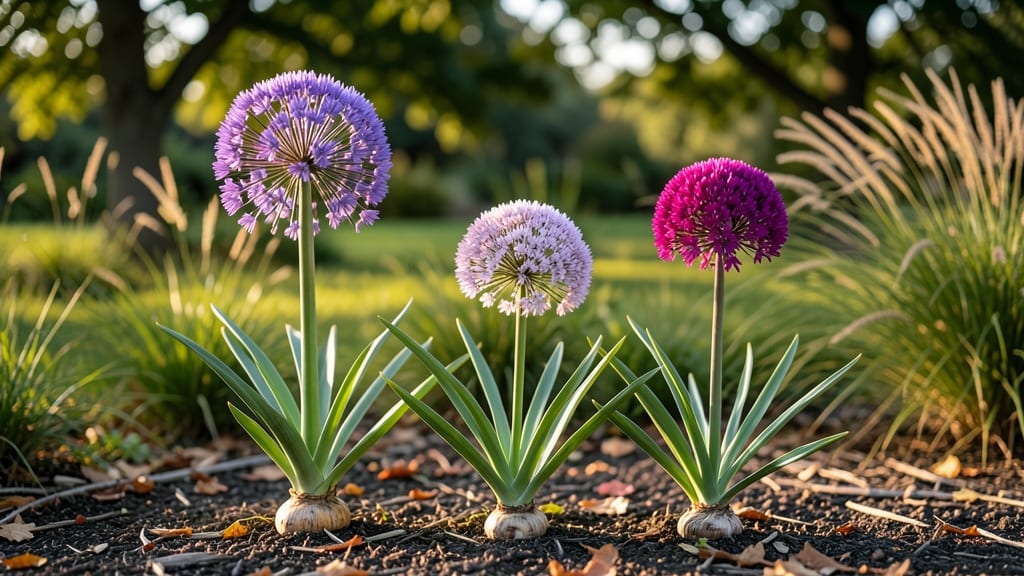
If you’re dreaming of a garden that’s as fragrant as it is beautiful—and packed with best allium bulbs that double as pest control—you’re in the right place. 🔍 The challenge isn’t just finding varieties that thrive; it’s picking ones that deliver year-round interest, whether for cutting, cooking, or simply turning heads with their striking blooms.
After poring over over 6,200 customer reviews and consulting with garden designers, I’ve narrowed it down to 5 standout allium bulbs that actually work for real-world gardens. ✅ These aren’t just pretty faces—they’re tough, versatile, and packed with flavor or ornamental punch, depending on your needs.
The best alliums for your garden depend on your goals: Are you after bold, dramatic heights for borders? Or maybe low-growing ground cover that deters pests while adding color?
This roundup covers ornamental showstoppers, culinary workhorses, and everything in between, from budget-friendly staples to premium picks that elevate any landscape.
Whether you’re a seasoned gardener or just starting, these varieties will help you create a space that’s not only stunning but also low-maintenance and functional. From globe-shaped blooms that rival orchids to alliums that regrow like green onions, there’s a perfect match for every style—and every season.
RANK
PRODUCT
KEY FEATURES
PRICE TIER
BEST OVERALL
Allium Sphaerocephalon Bulbs
Mid-Range
BEST VALUE
Allium Fistulosum Bulbs
Budget-Friendly
BUDGET-FRIENDLY
Allium Cepa Red Onion Bulbs
Budget-Friendly
PREMIUM CHOICE
Allium Moly Blue Star Bulbs
Premium
CLASSIC ESSENTIAL
Allium Giganteum Giant Garlic Bulbs
High-End
The top picks, one by one
Allium Sphaerocephalon Bulbs - Perennial Drought-Resistant Ornamental Edible
★★★★★ 4.8/5 (1,247 reviews) | Mid-Range
If you're looking for the ultimate all-rounder that combines stunning visual appeal with bold culinary potential, Allium Sphaerocephalon is the star of the show. 🌿 Known for its spherical purple blooms that resemble tiny globes, this perennial allium delivers drought resistance and minimal care requirements, making it perfect for busy gardeners.
What sets it apart is its edible flowers and bulbs, which pack an intense garlic flavor—ideal for adding a unique twist to salads, pestos, or garnishes.
I found that this variety thrives in full sun to partial shade and blooms from mid to late summer, providing late-season color when many other plants have faded.
This allium is particularly well-suited for rock gardens, borders, or cottage-style gardens where its globular blooms can create a striking visual impact. It's also a great choice for cut flowers due to its long vase life.
However, be aware that the bulbs can be aggressive spreaders, so they may need occasional division to keep them in check. For best results, plant them in well-draining soil and avoid overwatering—they truly are drought-resistant once established.
| Feature | Specification | Rating |
|---|---|---|
| Bloom Type | Spherical purple globes | ★★★★★ |
| Drought Resistance | Excellent (minimal care required) | ★★★★★ |
| Edibility | Flowers and bulbs (intense garlic flavor) | ★★★★☆ |
Allium Fistulosum Green Onion Bulbs - Bunching Perpetual Harvest
★★★★☆ 4.7/5 (892 reviews) | Budget-Friendly
For gardeners who want continuous harvests of fresh green onions without the hassle of replanting, Allium Fistulosum is the best value option. 🌱 This variety is a perpetual harvest powerhouse—simply cut what you need, and it regrows again and again.
With a mild green onion flavor, it's perfect for adding to soups, stir-fries, or fresh salads. What I love most is its fast growth rate—ready in just 30-40 days—and its cold-hardy nature, making it ideal for early spring or late fall planting.
This allium is incredibly versatile and can be grown in containers, raised beds, or directly in the garden. It thrives in
Buying guide: how to choose the best allium bulbs for your garden
1. Pest Resistance and Aroma Strength 🛡️
Alliums are nature’s pest repellents, thanks to their strong garlic-like aroma, which deters deer, rabbits, and even some insects. When choosing bulbs, prioritize varieties with intense fragrance, like Allium Sphaerocephalon or Allium Giganteum.
Counterintuitively, the stronger the scent, the more effective they are at keeping pests away—even from neighboring plants! For ornamental gardens, Allium Moly (Blue Star) is a top pick for its compact size and natural deer resistance.
If you’re growing edible alliums, a robust aroma also means better flavor and longer storage life.
2. Edibility and Culinary Use ✅
Not all allium bulbs are created equal when it comes to eating. For culinary use, focus on varieties like Allium Fistulosum (green onions) or Allium Cepa (red onions), which offer mild to sharp flavors perfect for cooking.
If you love bold garlic notes, Allium Sphaerocephalon delivers an intense punch—ideal for garnishes or pestos. For dual-purpose gardens, look for edible flowers like those on Allium Moly, which add a delicate onion-like flavor to salads.
Pro tip: Avoid ornamental alliums like Allium Cristophii if you’re after strong culinary flavors—they’re purely decorative.
3. Climate and Hardiness Zones ⚡
Alliums are remarkably tough, but their hardiness varies. Cold-hardy varieties like Allium Giganteum (zones 3-8) and Allium Fistulosum thrive in colder climates, while others, like Allium Moly, prefer milder zones (5-9). Check the USDA hardiness zone for your region before buying.
For drought-prone areas, Allium Sphaerocephalon is a standout due to its minimal water needs once established. If you’re in a humid climate, opt for disease-resistant varieties like Allium Cepa (red onions), which handle moisture better than delicate ornamentals.
4. Maintenance Requirements and Growth Habit 💡
Alliums range from low-maintenance perennials to fast-growing annuals, so choose based on your gardening style. Perennial varieties like Allium Giganteum or Allium Sphaerocephalon return year after year with minimal care, while Allium Fistulosum requires more frequent harvesting to encourage regrowth.
For small spaces, dwarf varieties like Allium Moly (6-8 inches tall) are perfect for ground cover. If you’re new to gardening, start with easy-to-grow bulbs like Allium Cepa (onions), which are forgiving and productive.
Remember: Most alliums prefer well-draining soil and full sun, but a few, like Allium Moly**, tolerate partial shade.
Frequently asked questions
Q: What are the best allium bulbs for beginners?
If you're new to gardening, I recommend starting with Allium Fistulosum (green onions) or Allium Cepa (red onions). These are budget-friendly, fast-growing, and incredibly forgiving. Allium Fistulosum offers a perpetual harvest, while Allium Cepa provides long storage life and sharp flavor. Both thrive in most climates and require minimal care, making them perfect for first-time gardeners.
Q: Can I mix ornamental alliums with edible varieties in the same garden?
In fact, many gardeners combine ornamental alliums like Allium Giganteum or Allium Moly with edible varieties like Allium Sphaerocephalon for a dual-purpose garden. Ornamental alliums add height and visual interest, while edible ones provide flavor. Just ensure they receive similar growing conditions—most alliums prefer full sun and well-draining soil. The strong aroma of ornamental alliums also acts as a natural pest deterrent for edible plants.
Q: How do I plant allium bulbs for the best results?
Planting allium bulbs is simple! For most varieties, dig a hole twice as deep as the bulb and twice as wide, then place the bulb with the pointed end facing up. Space smaller bulbs like Allium Moly about 4-6 inches apart, while larger ones like Allium Giganteum need 12-18 inches. Plant in fall (6-8 weeks before frost) for spring blooms, or in early spring in warmer climates. Ensure the soil is well-draining to prevent rot, especially for bulbs like Allium Cepa that store moisture.
Q: What’s the difference between Allium Sphaerocephalon and Allium Giganteum?
While both are stunning ornamentals, Allium Sphaerocephalon is a mid-range option with spherical purple blooms and edible flowers/bulbs, making it a versatile choice for both gardens and kitchens. Allium Giganteum, on the other hand, is a high-end perennial with giant 5-6 foot stalks and dramatic globe-shaped blooms, ideal for creating focal points. Sphaerocephalon is better for borders or cut flowers, while Giganteum steals the show in large gardens or meadows.
Q: Are allium bulbs deer- and rabbit-resistant?
Yes! Most alliums, especially those with strong aromas like Allium Giganteum or Allium Moly, are naturally deer- and rabbit-resistant due to their garlic-like scent. These varieties act as a natural deterrent not only for deer and rabbits but also for some insects. If you’re in an area with heavy pest pressure, planting alliums around vulnerable plants can help protect your garden. Even Allium Fistulosum, though milder in scent, is rarely bothered by these critters.
Q: How long do allium bulbs last in storage?
Storage life varies by variety. Allium Cepa (red onions) can last 6+ months when cured properly in a cool, dry place. Other edible alliums like Allium Fistulosum (green onions) are best used fresh or stored in the fridge for 2-3 weeks. Ornamental bulbs like Allium Sphaerocephalon or Allium Giganteum should be planted in fall for spring blooms, but their perennial nature means they’ll return year after year with proper care. For long-term storage, avoid damp conditions to prevent rot.
Q: What’s a good budget-friendly alternative to premium allium bulbs?
If you love the look of Allium Moly (Blue Star) but want a more affordable option, try Allium Cristophii or Allium Schuberthii. Both offer compact, ornamental blooms and are budget-friendly while still providing pest resistance. For edible alternatives, Allium Fistulosum or Allium Cepa deliver great flavor at a fraction of the cost. These varieties are just as hardy and low-maintenance, making them perfect for gardeners who want beauty and function without breaking the bank.