
Planting
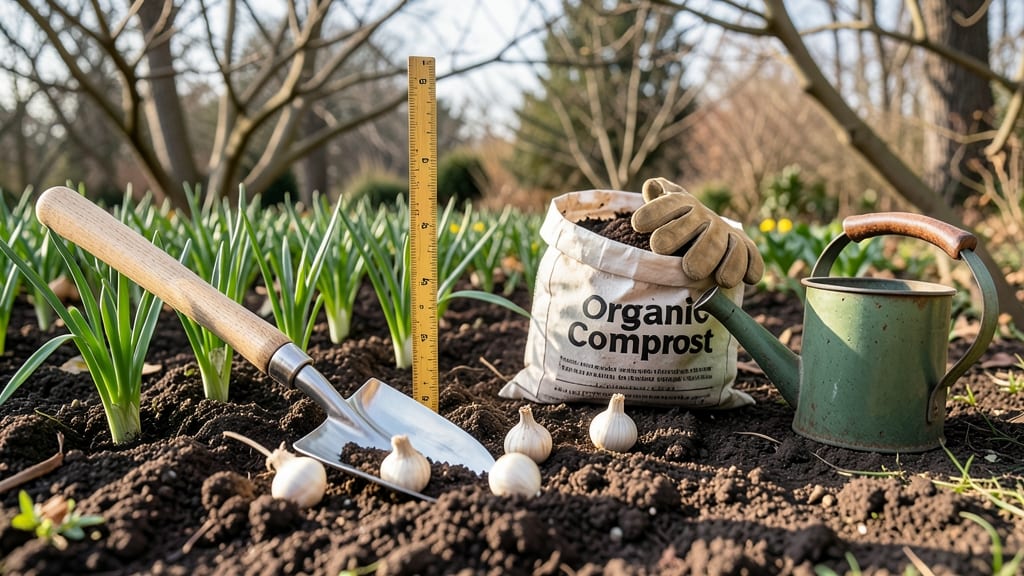
Planting crocus bulbs at the right time ensures vibrant 🌼 spring blooms without the wait.
Crocus bulbs are the heralds of spring, but planting them at the wrong time can mean waiting months—or even a full year—for those cheerful blooms. Timing is everything when it comes to growing vibrant crocuses, and a few simple checks can ensure your bulbs thrive.
For USDA Zone 6a, the best window is September through November, giving roots time to establish before winter dormancy. Plant too early, and you risk rot; too late, and the bulbs may not bloom until next year.
Below, I’ll walk you through the exact soil checks, regional tweaks, and post-planting care to guarantee your crocuses pop up right on schedule—no guesswork, just reliable spring color.
When to plant crocus bulbs for perfect spring blooms
Timing is the secret to coaxing crocus bulbs into blooming their brightest in spring. Plant them too early, and they may rot; too late, and they’ll miss their cold stratification window.
The ideal time is 6-8 weeks before the first hard frost, when soil temperatures drop to 60°F (15°C) but haven’t yet frozen. This gives roots time to anchor before winter dormancy kicks in.
Crocuses thrive in USDA zones 3-9, but the exact planting window shifts with your climate. In warmer zones (7-9), aim for late fall (November); in colder zones (3-6), plant as early as September.
The key is ensuring bulbs experience consistent chill hours—typically 12-16 weeks below 40°F (4°C)—to trigger spring blooms.
| Climate Zone | Best Planting Window | Soil Temp Goal | Frost Deadline |
|---|---|---|---|
| Zones 3-5 (Cold) | September 15–October 15 | 50–60°F (10–15°C) | Before Nov 15 |
| Zones 6-7 (Temperate) | October 1–November 15 | 55–65°F (13–18°C) | Before Dec 1 |
| Zones 8-9 (Mild) | November–December | 60–70°F (15–21°C) | No frost risk |
Use a soil thermometer to confirm temperatures—aim for 50–60°F (10–15°C) at 4 inches deep. In unpredictable climates, err on the earlier side. For example, if your area had an early frost last year, plant by mid-September even if it feels early.
Conversely, in mild winters, you might extend planting into December.
Adjust for early/late springs by monitoring local frost forecasts. If your region typically has late frosts (like the Midwest), plant 4–6 weeks earlier than the average window. Conversely, in areas with early springs (like the Southwest), you can push planting to late November without risking dormancy issues.
Container-grown crocuses offer flexibility—plant them 2–4 weeks later than in-ground bulbs since pots warm faster. However, move containers to a garage or cold frame if frost threatens before roots establish. This mimics natural winter chill while protecting delicate bulbs.
Pro tip: Mark your crocus planting date on a calendar and note the first bloom date the following spring. Over time, you’ll refine your timing for earlier or more abundant blooms.
For example, if your crocuses bloom in late March one year but early April the next, adjust planting to earlier in fall for consistency.
Don’t stress if you miss the ideal window—crocus bulbs are hardy and adaptable. Plant them in early December (as long as soil isn’t frozen), and they’ll still bloom the following spring, though possibly 1–2 weeks later.
The trade-off? You might sacrifice full bloom potential if roots didn’t fully establish before winter.
For maximum blooms, pair crocus planting with well-draining soil and full sun exposure. Amend heavy clay with compost or sand to prevent rot, and choose a spot where bulbs get at least 6 hours of sunlight daily.
Even in shady gardens, crocuses will bloom—just expect fewer flowers and taller stems reaching for light.
Finally, resist the urge to fertilize before planting. Crocus bulbs store energy for their first bloom, and excess nitrogen can encourage leafy growth at the expense of flowers. Instead, wait until early spring (after blooming) to apply a light, balanced fertilizer like 5-10-10 to strengthen bulbs for next year.
With the right timing, your crocuses will reward you with cheerful blooms in late winter or early spring, often weeks before daffodils.
That first splash of purple, yellow, or white is worth the patience—just plant in fall, protect them from rodents and frost, and let nature do the rest. 🌼
How to check soil conditions before planting crocus bulbs
Before you rush to plant crocus bulbs, checking your soil conditions is the secret to spring blooms that won’t disappoint. Crocuses need cool soil temperatures and proper moisture levels to establish roots before winter dormancy.
A simple soil thermometer and frost chart can save you from waiting another year for those cheerful purple, white, or yellow flowers.
Start by testing your soil temperature—crocus bulbs thrive when soil is between 40°F and 60°F. If it’s warmer than 60°F, wait a few weeks or plant in shaded areas to cool the soil faster.
This is especially critical in USDA zones 7-9, where summers linger longer. A digital soil thermometer (just $10 at garden centers) makes this check effortless.
- 🌡️ Soil Temperature: 40°F–60°F (ideal for root growth)
- 🌧️ Moisture Level: Well-drained, slightly damp (not soggy)
- ❄️ Frost Risk: 4–6 weeks before first frost (check local frost charts)
- 🏺 Containers: Plant 2–4 weeks earlier than ground (warms faster)
- 🌱 Cold Climates: Use straw mulch to extend planting window
Next, assess moisture levels—crocuses hate soggy soil but need consistent moisture to root. Dig a 6-inch hole, fill it with water, and wait 30 minutes. If water drains quickly, your soil is perfect.
If it pools, amend with compost or sand to improve drainage. In containers, use a mix of potting soil and perlite to mimic well-draining ground conditions.
Don’t forget to check your local frost dates—planting too late can leave bulbs vulnerable to freeze-thaw cycles, which stunt growth. Use the National Weather Service frost predictor or your USDA zone map to pinpoint your last safe planting window.
In zones 3-5, aim for mid-September to early October, while zones 6-9 can wait until October or November.
For cold climates where frost lingers, extend your planting window by using straw mulch (3–4 inches thick) to insulate bulbs. This trick works for ground planting and containers alike.
If you’re unsure, plant a few bulbs in containers first—they warm faster in spring and let you test timing without risking your entire garden.
Finally, remember: crocus bulbs need 6+ hours of sunlight, but their root zone should stay cool. If your garden gets hot afternoons, plant them in morning sun with afternoon shade. With these checks, you’ll be rewarded with vibrant blooms just as winter loosens its grip. Happy planting!