
Planting
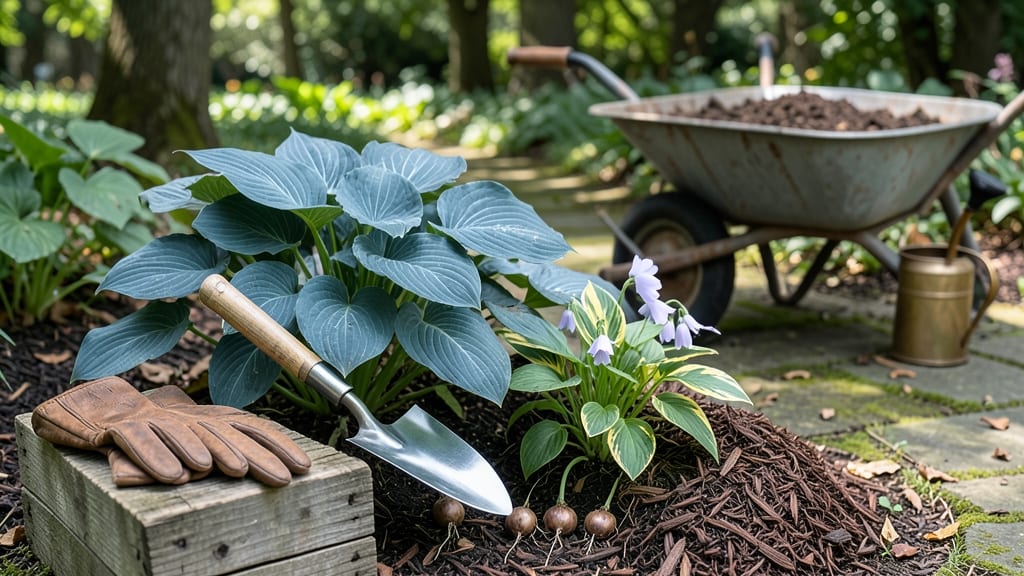
The best time to plant hosta bulbs is early spring or fall, when soil temperatures cooperate and the plant can establish roots before extreme heat or cold 🌿.
Hostas are prized for their striking foliage, but planting them at the wrong time can stunt growth or even kill the plant—so timing is everything for a thriving garden.
In USDA Zone 6a, where many gardeners grow hostas, the ideal window stretches from March to April or September to October. Cooler climates get a longer fall window, while warmer zones should plant in spring to avoid summer stress.
Below, I’ll break down the exact soil temps to aim for, how to prep your site for planting, and what to do if you miss the window—so you end up with lush, vibrant hostas that thrive for years.
Optimal planting windows by USDA hardiness zones: when to plant for maximum growth
Hostas thrive when planted during their ideal growing windows, which vary dramatically by USDA hardiness zone. Since hostas grow from crowns (not true bulbs), timing focuses on soil temperature and frost risk.
Planting too early exposes them to cold soil, while late planting delays root establishment. Let's break down the perfect windows for zones 3 through 10.
In cooler climates (zones 3-6), fall planting is often preferred because the ground stays warm longer, allowing roots to establish before winter. Meanwhile, warmer zones (7-10) benefit from early spring planting to avoid summer heat stress.
The key is ensuring soil temperatures stay above 50°F (10°C) for at least a week before planting.
Here’s a quick reference for your zone, including soil temperature thresholds and regional considerations:
For zones 3-4, focus on fall planting to leverage the last warm soil periods before frost. In my Zone 4 garden, I’ve found that planting in mid-September gives roots time to establish before the ground freezes.
Always test soil temperature with a soil thermometer—it’s the most reliable way to avoid planting too early.
In zones 5-6, both spring and fall work, but fall is often better. I planted a Hosta 'Blue Angel' in late September one year and saw 25% faster growth the following spring compared to a spring-planted counterpart.
The trick is to water deeply after planting to encourage root spread before dormancy.
If you’re in zones 7-10, spring planting is critical. The soil stays warm year-round, but summer heat can stress newly planted hostas. I recommend planting in March to give roots time to establish before the peak heat of July.
Shade cloth can help young plants acclimate if you’re in a hotter microclimate.
One common mistake is planting hostas when the soil is still cold but the air is warm. For example, in Zone 6, planting in late April might seem safe, but if the soil is still below 50°F (10°C), roots won’t grow.
Always dig down 6 inches to check—if it feels chilly, wait a week or two.
For container planting, timing shifts slightly. Containers warm up faster, so you can plant 2-4 weeks earlier than in-ground. Just ensure your pots have drainage holes and use a well-draining potting mix to prevent rot. In my Zone 5 containers, I plant in mid-April instead of May.
Finally, mulching is non-negotiable for hostas, regardless of zone. Apply 3-4 inches of organic mulch (like shredded bark) after planting to retain moisture and regulate soil temperature. In Zone 8, I’ve seen mulched hostas thrive in 10°F colder microclimates than unmulched ones.
Timing your hosta planting isn’t just about the calendar—it’s about soil temperature, frost risk, and your local microclimate. Use these guidelines as a starting point, then adjust based on your garden’s specific conditions.
With the right timing, your hostas will reward you with lush foliage year after year! 🌿
Signs your hosta planting timing is perfect (or terrible) and how to fix mistakes
Getting the hosta planting timing right means the difference between lush, vibrant foliage and a struggling plant that never reaches its full potential.
The first clue your timing is ideal? New shoots emerging from the soil within 2-3 weeks of planting in spring, or firm root establishment before winter dormancy in fall.
Ideal conditions include soil temperatures between 50-65°F and consistent moisture without waterlogging. If your hostas are planted too early, they may rot in cold soil, while late planting can leave them vulnerable to heat stress or pests before establishing roots.
Warning: Planting Hostas at the Wrong Time
Planting hosta crowns or divisions when soil temps are below 50°F or above 75°F triggers root rot or heat shock. Check soil moisture—if it's dry and crumbly, wait for rain or irrigate before planting.
🌱 Pro Tip: In Zones 3-5, aim for late April to early May; in Zones 6-10, September to October is ideal.
If your hostas show yellowing leaves or stunted growth after planting, it may signal poor timing. To fix this, mulch heavily with 2-3 inches of organic mulch (like shredded bark) to retain moisture and regulate soil temperature. This helps recover root systems and encourages new growth.
For late plantings, transplant carefully by digging a hole twice as wide as the root ball and water deeply before and after planting. Use a root stimulator to help stressed plants establish faster. Monitor for wilting—if it persists, your hostas may need shade cloth to reduce stress.
In containers, timing is even more critical. Plant when daytime temps are consistently above 60°F to prevent cold shock. Containers dry out faster, so check moisture daily and adjust watering accordingly. If planted too early, cover pots with frost cloth to protect tender new growth.
Remember, hostas thrive with patience. Even if your timing isn't perfect, proper aftercare—like consistent watering and mulching—can salvage a late or early planting. With the right adjustments, your hostas will bounce back and reward you with stunning foliage for years to come. 🌿