
Plants
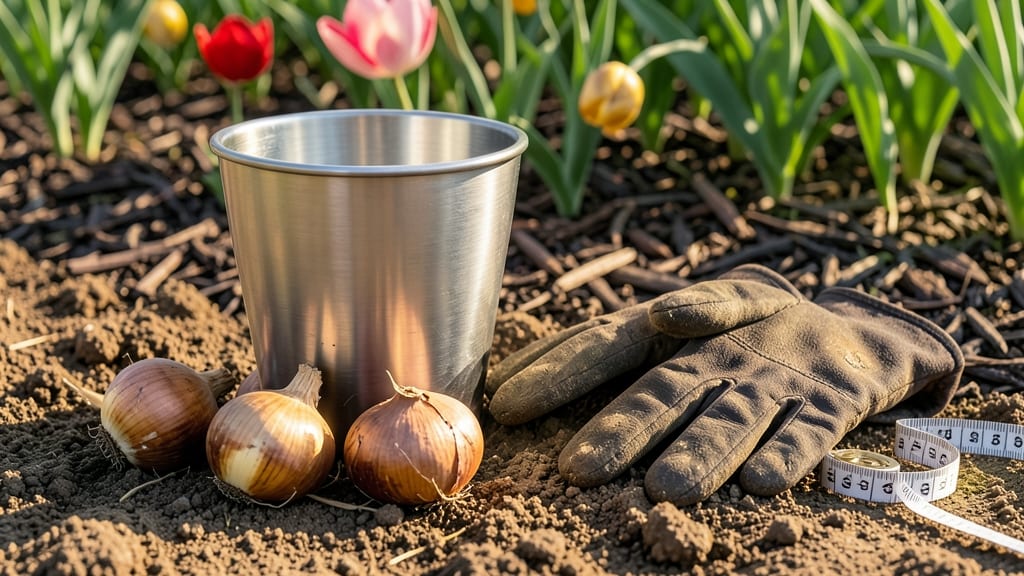
To plant tulip bulbs at the best time means timing them 6-8 weeks before your first frost in USDA Zone 6a—typically October to November for vibrant spring blooms.
Planting tulip bulbs 🌷 at the wrong time can mean waiting years for blooms—or worse, no flowers at all. The secret to success lies in understanding your USDA zone and the frost-date formula that guarantees vibrant spring displays.
If you’ve ever dug in the dirt only to watch your tulips fail to bloom, you’re not alone. Many gardeners miss the narrow window when soil temps drop and bulbs need to root before winter sets in.
The difference between a showstopping spring garden and a disappointing flop often comes down to when—and how—you plant.
In this guide, I’ll break down the exact frost-date formula for your zone, regional tweaks for Pacific Northwest vs. Midwest planting, and a foolproof checklist to ensure your tulips burst into color year after year.
USDA zone frost-date formula for planting tulip bulbs
Tulip bulbs thrive when planted in fall, but timing varies dramatically by USDA zone. The golden rule? Plant 6-8 weeks before your first hard frost—this gives roots time to establish before winter dormancy.
Miss this window, and you risk bulbs rotting in wet soil or failing to bloom. Let's break down the frost-date formula for zones 3 through 10, including adjustments for early-blooming varieties like 'Darwin Hybrid' tulips and late varieties such as 'Fosteriana'.
First, locate your USDA zone (find yours [here](https://planthardiness.ars.usda.gov/)—it’s based on average annual minimum temperatures). Then, check your historical first frost date (local weather stations or the National Oceanic and Atmospheric Administration (NOAA) provide this). Subtract 6-8 weeks from that date to pinpoint your ideal planting window.
For example, if your first frost is November 15, plant between September 28 and October 20. This formula ensures bulbs root deeply before freezing temperatures lock the soil.
The 6-8 week rule accounts for soil temperature (bulbs need 40-50°F soil temps to root) and frost timing. In warmer zones (8-10), where frost arrives later, you can extend the window to 8-10 weeks before frost.
Conversely, in colder zones (3-5), aim for the earlier end (6 weeks) to avoid early snowfall. Early varieties like 'Early Harbinger' tulips (which bloom in late April) can tolerate slightly earlier planting, while late varieties like 'Black Parrot' need the full 8-week window to develop strong stems.
Zone 3-4 gardeners (think Minnesota or upstate New York) should plant late August to early September—this avoids early frosts that can damage tender roots. In these regions, mulch heavily (3-4 inches of straw or leaves) after planting to insulate bulbs. For Zone 5-6 (like Chicago or Denver), aim for mid-September to mid-October. Here, soil temperature is critical: use a soil thermometer to confirm it’s below 60°F before planting. If your soil stays warm late into fall, delay planting to avoid rot risk from wet conditions.
In Zones 7-8 (Atlanta or Los Angeles), the window stretches to late September through October. These areas often experience late frosts, so monitor local forecasts. For example, in Zone 8 Southern California, where frost might hit in December, you can plant as late as November.
However, early varieties like 'Ice Cream' tulips may need the full 8-week window to bloom on time. Zone 9-10 (Miami or Phoenix) is trickier—plant October to November, but use shade cloth if daytime temps exceed 75°F to prevent bulbs from sprouting too early.
Pro tip: Adjust for microclimates. A north-facing slope in Zone 6 might frost earlier than your average date, while a south-facing bed could delay frost by 1-2 weeks. Use last-year’s planting records or ask local garden clubs for neighborhood-specific adjustments. For high-altitude areas (e.g., Denver at 5,280 ft), treat them 1 zone colder—so Zone 6 rules apply if you’re at 6,000 ft. Always err on the earlier side for high elevations to ensure bulbs root before snowfall.
Early vs. late varieties also factor into timing. Early bloomers (like 'Greigii' tulips) can handle slightly earlier planting, while late varieties (like 'Parrot' tulips) need the full 8-week window. If you’re unsure, **
Month-by-month planting schedule by USDA zone
Timing is everything when planting tulip bulbs. The 6-8 week frost-date formula ensures roots establish before winter, but regional variations mean your USDA zone and local climate dictate exact months. Let's break it down by zone, including adjustments for Pacific Northwest chill, Midwest humidity, and Southeast mild winters.
In Zones 3-5, where winters are harsh, aim for October planting—6 weeks before ground freezes. Zones 6-8 gardeners have flexibility until November 1st, while Zones 9-10 can plant as late as December due to milder winters.
High-altitude areas (e.g., Denver) need to plant 2-3 weeks earlier than their zone average due to colder microclimates.
Regional adjustments matter: Pacific Northwest gardeners should plant late October to avoid early snow, while Midwest gardeners can extend to mid-November thanks to insulating snow cover. In the Southeast, where winters are short, plant early October to ensure root growth before mild spells arrive.
For high-altitude gardens (above 5,000 feet), like those in Colorado or Utah, plant 2-3 weeks earlier than your zone's average. Soil temperatures below 50°F slow root growth, so use a soil thermometer to confirm readiness.
In Zone 9-10, where winters are mild, plant late November to December to avoid early spring rains that can rot bulbs.
Spring planting is a common mistake—tulip bulbs need cold stratification to bloom.
If you miss fall planting, store bulbs in a cool, dry place (like a refrigerator) until fall. Early varieties (like 'Darwin Hybrid') can handle slightly later planting, while late varieties (like 'Parrot') need the full 6-8 week window.
Pro tip: Mark your planting calendar with your average first frost date (find it via USDA Plant Hardiness Zone Map) and count backward. In Zone 6a, that’s October 15th—my go-to date for tulip bulb planting in my garden.
Adjust for your microclimate, and you’ll have vibrant spring blooms every year!