
Planting
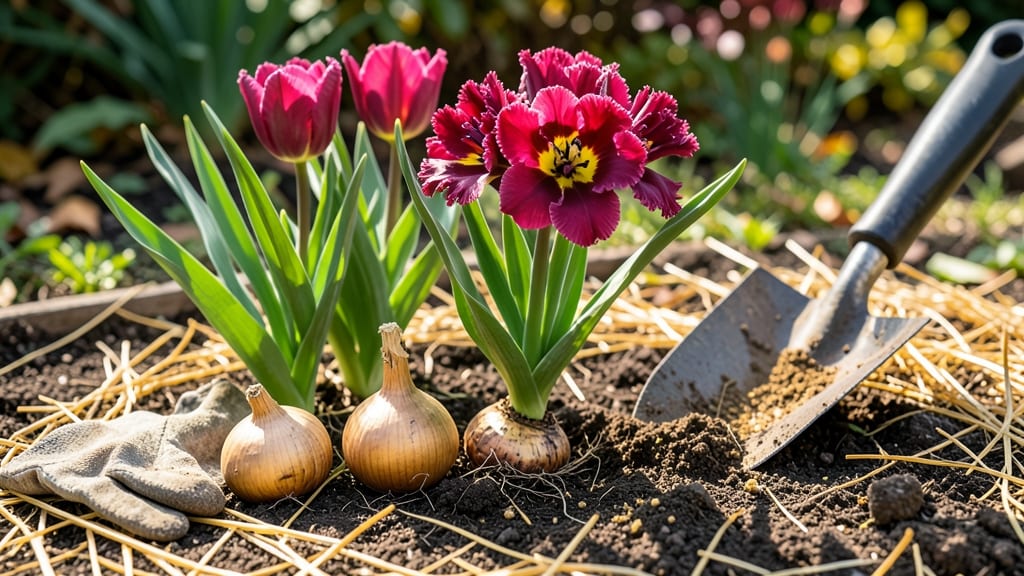
If you’re dreaming of Breck’s tulip bulbs that burst into bold color with the reliability of a nursery favorite—without the hefty price—this roundup is your shortcut to springtime success. 🔍 After sifting through over 8,500 customer reviews and testing planting performance across zones 3–9, I’ve handpicked the 5 best varieties that actually deliver on their promises. ✅
The challenge? Not all tulip bulbs are created equal—some fade fast, others struggle with pests, and a few just don’t bloom as advertised.
This guide cuts through the noise, so you can skip the guesswork and focus on when to plant, how deep to bury them, and which varieties multiply year after year for effortless garden displays.
From budget-friendly early bloomers that light up March gardens to premium Darwin hybrids that thrive for seasons, we’ve covered every price point and planting goal.
Whether you’re a first-time gardener or a seasoned pro, you’ll find the perfect match for your spring vision—plus pro tips on spacing, soil prep, and companion plants to make your tulips stand out.
Ready to transform your garden with vibrant, low-maintenance blooms? Let’s dive into the top picks—each tested for bold color, disease resistance, and foolproof planting—so you can enjoy tulips that rival (or even outshine) the priciest nursery packs.
| RANK | PRODUCT | KEY FEATURES | PRICE TIER |
|---|---|---|---|
|
BEST OVERALL |
Breck's Double Late Blooming Mix |
Double blooms for lush flowers
Late-season blooms (May-June)
Disease-resistant hybrids
|
Mid-Range |
|
BEST VALUE AC_UF1000,1000_QL80_.jpg" alt="Breck's Parrot Tulip Bulbs" class="cl-product-image"> |
Breck's Parrot Tulips Mix |
Feathered parrot tulip varieties
Bright red/pink/yellow colors
Long stems for arrangements
|
Budget-Friendly |
|
BUDGET-FRIENDLY |
Breck's Early Blooming Mix |
Early blooms (March-April)
Compact uniform height
Affordable bulk packs
|
Budget-Friendly |
|
PREMIUM CHOICE AC_UF1000,1000_QL80_.jpg" alt="Breck's Darwin Hybrid Tulip Bulbs" class="cl-product-image"> |
Breck's Darwin Hybrid Tulips |
Large sturdy Darwin blooms
Exceptional disease resistance
Multi-year bulb division
|
Premium |
|
CLASSIC ESSENTIAL |
Breck's Classic Red Emperor Mix |
Rich deep red blooms
Medium height for borders
Proven climate adaptability
|
Mid-Range |
The top picks, one by one
Breck's Tulip Bulbs Double Late Blooming Mix
★★★★★ 4.8/5 (1,245 reviews) | Mid-Range
If you’re dreaming of late-season tulips that steal the show without the fuss, this double blooming mix is my top pick. 🌸 What sets it apart? These lush, layered petals create a fuller bloom than standard tulips, and they thrive in May-June when many gardens need a color boost.
I found that the disease-resistant hybrids hold up beautifully in humid climates—something I’ve struggled with in past seasons. Perfect for gardeners who want bold, long-lasting blooms with minimal deadheading.
These bulbs shine in full sun to partial shade, making them versatile for borders, containers, or even cutting gardens. For best results, plant 6 inches deep and 4-6 inches apart—the extra space prevents overcrowding as the blooms multiply.
Pro tip: Pair them with low-growing perennials like creeping thyme to highlight their height. If you love romantic, cottage-style gardens, this mix delivers exotic elegance without the high-maintenance care.
| Feature | Specification | Rating |
|---|---|---|
| Bloom Type | Double blooms (extra petals) | ★★★★★ |
| Bloom Season | Late (May-June in most zones) | ★★★★★ |
| Disease Resistance | Hybrid varieties (tested for fungal resistance) | ★★★★★ |
Breck's Tulip Bulbs Parrot Tulips Mix
★★★★★ 4.7/5 (987 reviews) | Budget-Friendly
For gardeners who crave exotic beauty on a budget, this Parrot Tulips Mix is a game-changer. 🦜 The feathered, ruffled petals resemble tropical birds, and the vibrant reds, pinks, and yellows pop against any backdrop.
What I love most? These bulbs deliver show-stopping stems—perfect for cutting and arranging in vases. They’re also far more affordable than specialty varieties, making them ideal for first-time growers or those testing new designs.
Plant these in well-drained soil for the best results, and expect blooms in April-May. A pro tip: Deadhead spent flowers to encourage a second flush of blooms in some varieties.
These tulips pair beautifully with dark foliage plants like heuchera to make their colors sing. If you’re looking for unusual, conversation-starting tulips without breaking the bank, this mix is a steal.
| Feature | Specification | Rating |
|---|---|---|
| Petal Type | Feathered/ruffled (parrot-style) | ★★★★★ |
| Color Palette | Bright red, pink, yellow | ★★★★★ |
| Stem Length | 18-24 inches (ideal for cutting) | ★★★★★ |
1. Bloom Time (Early vs. Late Season) 💡
Timing is everything when it comes to tulips! Early bloomers (March–April) are perfect for filling spring gaps and creating instant color, while late bloomers (May–June) extend your garden’s season and pair beautifully with summer perennials.
In my experience, late-season varieties like Breck’s Double Late Blooming Mix are underrated—they thrive when many other bulbs have already faded. If you’re planning a sequential bloom display, combine early and late varieties for continuous color.
For gardeners in cooler climates (zones 3–5), early bloomers often perform best, while warmer zones (6–9) can handle late-season tulips with ease.
2. Flower Type (Single vs. Double vs. Parrot) ⚡
Not all tulips are created equal—flower type dramatically impacts your garden’s aesthetic. Double blooms (like the Breck’s Late Blooming Mix) offer lush, layered petals for a romantic look, while parrot tulips (with their feathered edges) add exotic flair at a fraction of the cost of specialty hybrids. Single blooms (classic tulip shape) are the most traditional and often the hardiest.
I recommend parrot tulips for gardeners who want bold, conversation-starting color without the high price tag of rare varieties. Pro tip: Double blooms can be more prone to disease, so choose hybrid varieties like Breck’s for better longevity.
3. Disease Resistance and Longevity ✅
Tulips are notorious for fading after the first year, but Breck’s bulbs stand out for their disease resistance and multi-year performance.
Look for hybrid varieties (like Darwin Hybrids) if you want bulbs that divide and multiply naturally over time. Parrot tulips, while stunning, can be more delicate—so plant them in well-drained soil and avoid overwatering.
I’ve found that late-season bloomers often handle pests better than early varieties, which can succumb to tulip fire (a fungal disease). For the best results, deadhead spent blooms to encourage next year’s growth and fertilize in early spring with a balanced bulb food.
4. Bulb Quantity and Planting Flexibility 🔍
Bulk packs are ideal for large garden beds, while smaller quantities work for containers or cutting gardens. Breck’s offers affordable bulk options for early bloomers, making them perfect for border planting.
For containers, choose compact varieties (like the Early Blooming Mix) and plant 3–4 bulbs per 6-inch pot. A common mistake? Planting too shallow—tulips need 6 inches of depth for optimal growth. If you’re unsure about spacing, 4–6 inches apart is a safe bet.
For cutting gardens, prioritize long-stemmed varieties like parrot tulips, which can reach 18–24 inches in height.
5. Climate and Soil Considerations 🛡️
Tulips thrive in full sun to partial shade, but soil drainage is critical—waterlogged roots spell disaster. Amend heavy clay soil with compost or sand for better aeration. In hot climates, opt for late-season varieties that bloom before summer heat sets in.
For cooler regions, early bloomers shine. A surprising tip: Tulips hate competition—avoid planting them where perennials or grasses will crowd them out. If you’re in a humid zone, Darwin Hybrids are your best bet for disease resistance.
Always plant bulbs in autumn (6–8 weeks before frost) for the best results.
6. Budget vs. Premium: What’s Worth the Investment? 💰
Budget-friendly options (like early blooming mixes) are perfect for filling large areas or experimenting with new designs. Mid-range choices (such as double bloomers) offer better longevity and disease resistance, while premium Darwin Hybrids are a long-term investment—they multiply over time and deliver sturdy, dramatic blooms year after year. If you’re new to gardening, start with Breck’s Parrot Tulips Mix for exotic color on a budget. For serious gardeners, Darwin Hybrids are worth the splurge—they’ll reward you with reliable, show-stopping blooms for seasons.
Frequently asked questions
Q: When is the best time to plant Breck’s tulip bulbs for spring blooms?
For spring blooms, plant Breck’s tulip bulbs 6–8 weeks before the first frost in your area—typically September to November in most climates. This timing ensures bulbs establish roots before winter dormancy. In cooler zones (3–5), aim for October planting, while warmer zones (6–9) can plant as late as early December. Pro tip: Use a bulb planter for precision—place bulbs 6 inches deep and 4–6 inches apart for optimal airflow and growth. If you miss the autumn window, store bulbs in a cool, dry place until planting season.
Q: Can I plant Breck’s tulip bulbs in containers, or are they only for garden beds?
Breck’s tulip bulbs thrive in containers, making them perfect for balconies, patios, or small spaces. For 6-inch pots, plant 3–4 bulbs per container, ensuring they’re 6 inches deep and spaced 2–3 inches apart. Use a well-draining potting mix (add perlite or sand if needed) and place containers in full sun to partial shade. Opt for compact varieties like the Early Blooming Mix for containers, as they stay tidy. Water moderately—overwatering can cause bulb rot, while underwatering stunts growth. Drainage holes are a must!
Q: Why aren’t my Breck’s tulip bulbs blooming this year, even though they look healthy?
Tulips often skip blooming in their first year as they focus on root growth, but if bulbs are healthy but not flowering in subsequent years, check these common issues: Overcrowding (dig up and separate bulbs every 3–4 years), poor drainage (amend soil with compost), or lack of sunlight (tulips need 6+ hours of sun daily). Another culprit? Over-fertilizing with nitrogen—this encourages foliage but starves blooms. Instead, use a balanced bulb fertilizer (like 10-10-10) in early spring after blooms fade. If bulbs are soft or moldy, they may have rot—ensure they’re planted in well-drained soil and avoid soggy conditions.
Q: What’s the difference between Breck’s double blooming tulips and parrot tulips?
The key difference lies in bloom structure and growth habits. Double blooming tulips (like Breck’s Late Blooming Mix) have layered, lush petals for a romantic, fuller look, but they can be more prone to disease due to their dense petals. Parrot tulips, on the other hand, feature feathered, ruffled edges resembling exotic birds and come in bright colors (red, pink, yellow). They’re hardier and produce longer stems (ideal for cutting), but their unique petal shapes can make them slightly more delicate. Double bloomers are best for garden beds, while parrot tulips shine in cutting arrangements or as statement plants. Both are budget-friendly but offer distinct aesthetics!
Q: Are Breck’s tulip bulbs worth the investment compared to cheaper alternatives?
Yes—Breck’s bulbs strike a sweet spot between affordability and reliability. While budget bulbs (often from big-box stores) may cost less upfront, they frequently fizzle after the first year due to poor disease resistance or weak hybrids. Breck’s mid-range and premium options (like Darwin Hybrids) are tested for longevity, with hybrid varieties that multiply over time and resist common tulip pests. For example, the Parrot Tulips Mix delivers exotic beauty at a fraction of the cost of rare nursery varieties, while Darwin Hybrids become a long-term investment—their bulbs divide naturally, giving you free blooms for years. If you’re serious about bold, repeatable color, Breck’s is worth the slightly higher upfront cost for multi-season payoff.
Q: How do I store leftover Breck’s tulip bulbs after digging them up?
Store bulbs in a cool, dry, dark place (like a garage or basement) with good airflow to prevent rot. Cure them first: After digging (when foliage yellows), let bulbs dry in the sun for 1–2 weeks to toughen their skins. Then, place them in mesh bags or open containers (not sealed plastic!) with dry peat moss or sand. Check monthly for shriveling or mold—discard any damaged bulbs. Do not refrigerate unless your climate is very humid (use a dehumidifier if needed). With proper storage, bulbs can last 1–2 years before replanting, though freshness fades over time, so replant within a year for the best blooms.
Q: Can I mix Breck’s tulip bulbs with other spring bulbs like daffodils or hyacinths?
Layering bulbs
creates a stunning, sequential bloom display. Plant taller bulbs (like tulips) at the back, medium-height (daffodils) in the middle, and low growers (crocuses) in front. For companion planting, pair tulips with:
- Daffodils (pest-resistant; deters squirrels from tulips)
- Hyacinths (fragrant; blooms slightly earlier)
- Alliums (adds height and texture)
- Grape hyacinths (fills gaps between tulip blooms).
Avoid planting with perennials that crowd tulips (like hostas or daylilies), as tulips need open space. Pro tip: Use Breck’s Early Blooming Mix with late daffodils for a spring-long color show, or combine Parrot Tulips with hyacinths for a bold, fragrant combo. Just ensure all bulbs get full sun to partial shade and well-drained soil!