
Plants
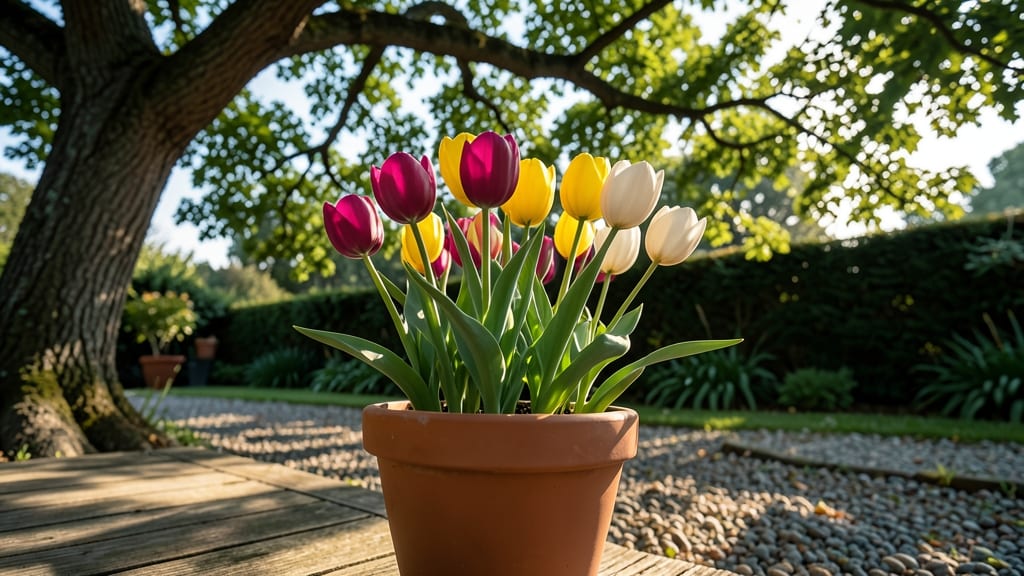
Struggling to make your shaded garden thrive? These 10 shade-loving bulbs defy expectations by blooming beautifully in low-light conditions, bringing color and life to even the darkest corners of your yard.
Snowdrop Bulbs for Early Spring Color
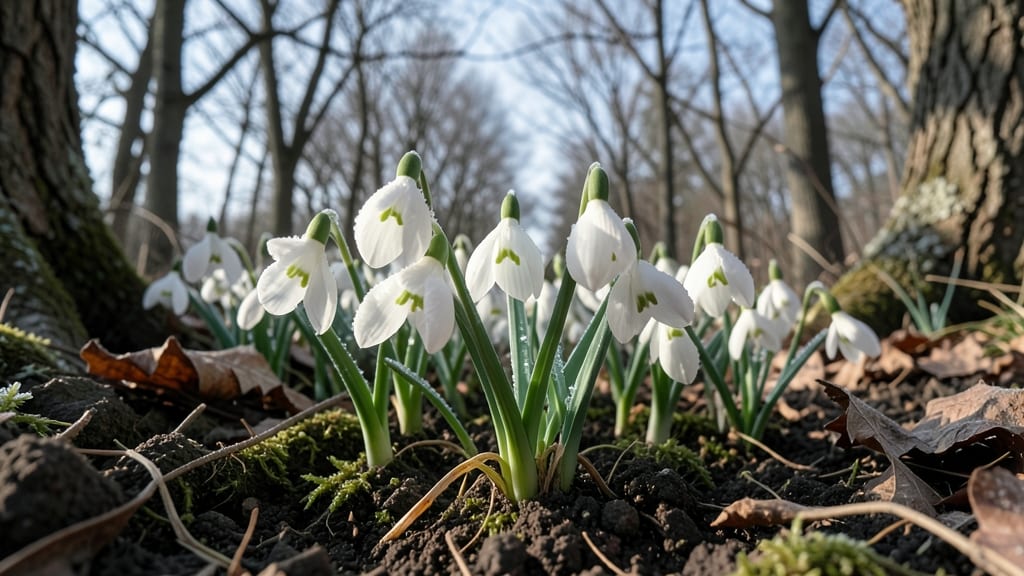
When winter feels endless, snowdrop bulbs (Galanthus) burst through the cold with their cheerful white blooms—often appearing before snow melts. These hardy, deep-shade specialists thrive where most plants refuse to grow, making them the unsung heroes of woodland gardens and north-facing beds.
Plant them in fall (September-October) at 4-6 inches deep in well-draining, slightly acidic soil. Their delicate, nodding flowers emerge in late winter to early spring, attracting early pollinators like bees when little else is blooming. A single bulb multiplies over time, creating naturalizing drifts that spread effortlessly under trees or along shady borders.
Perfect for gardeners who want low-maintenance color in the darkest corners, snowdrops also symbolize hope—ideal for memorial gardens or as a gift that keeps giving for decades. 🌱
Cyclamen Bulbs for Woodland Gardens
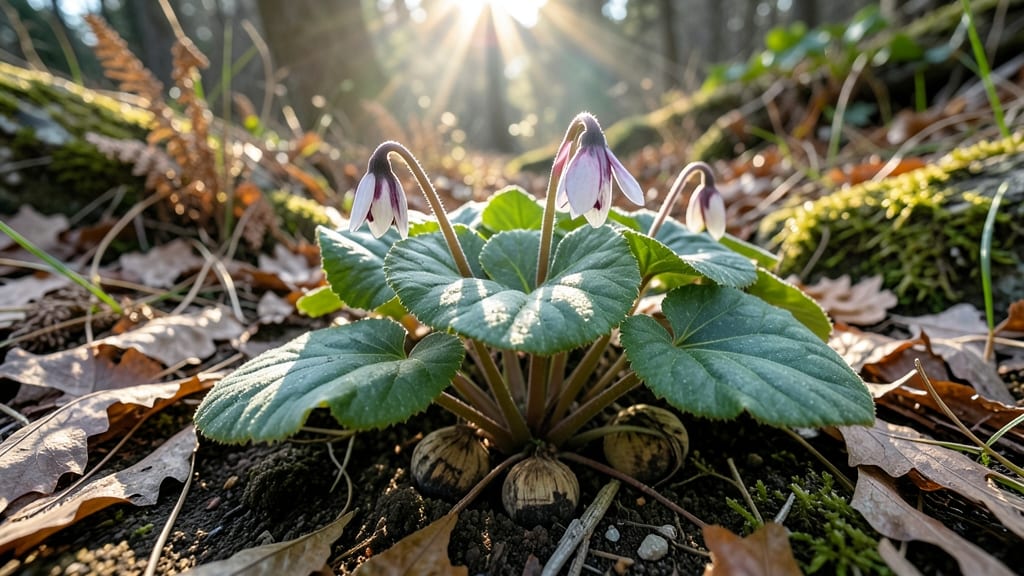
If your garden has dry, shady spots where most plants refuse to grow, cyclamen bulbs are your secret weapon. These woodland natives thrive in the dappled light under trees, producing striking heart-shaped leaves and delicate nodding flowers that few other bulbs can match in such conditions.
Plant cyclamen hederifolium (hardy cyclamen) in well-draining soil during early fall, keeping the bulbs just below the surface. Their silver-marbled foliage persists through winter, creating a lush carpet even when other plants are dormant. Water sparingly after planting—these bulbs prefer dry conditions and rot easily when overwatered.
Perfect for woodland gardeners and those with challenging shade spots, cyclamen add year-round interest with minimal care. Their unique growth habit makes them ideal for filling gaps under shrubs or trees where sunlight barely reaches. 🌿
Hellebore Bulbs for Long-Lasting Winter Blooms
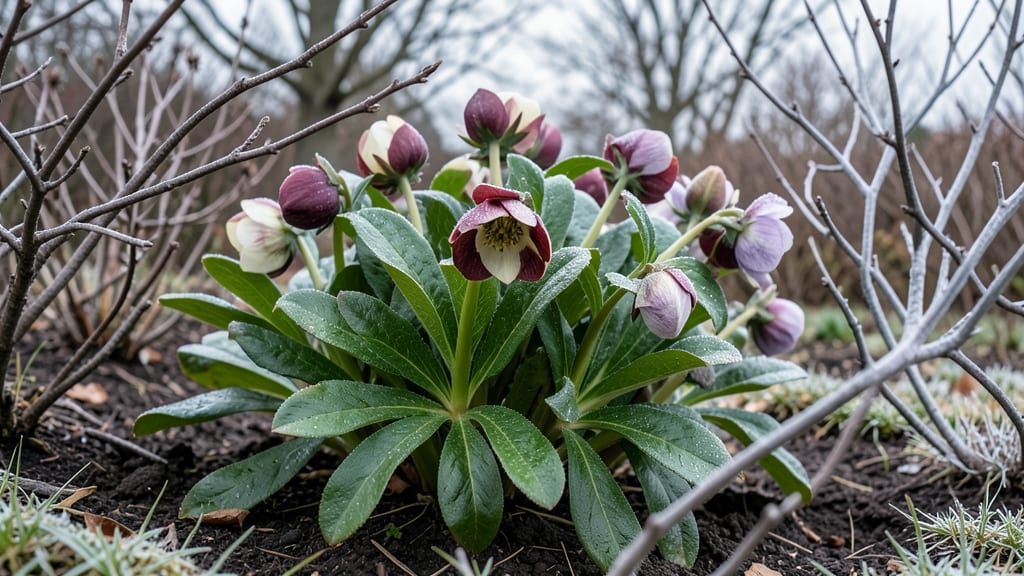
When your garden looks like a blank canvas in winter, hellebores step in as the unsung heroes—blooming from late winter through spring with barely a hint of effort. These evergreen perennials, also called Lenten roses, thrive where most plants refuse to grow, delivering striking color when your yard is still dormant.
Plant them in deep shade and even poor soil, as they tolerate conditions that would stump other bulbs. Their leathery, dark green foliage stays attractive year-round, while flowers in shades of white, pink, purple, and green nod gracefully above the ground. For best results, plant bulbs in fall at 3-4 inches deep and space them 6-12 inches apart—they’ll reward you with blooms that last for weeks.
Perfect for beginners, urban gardeners with limited space, or anyone tired of winter doldrums, hellebores bring life to shady corners with minimal fuss. 🌷
Glory-of-the-Snow Bulbs for Bold Spring Statements
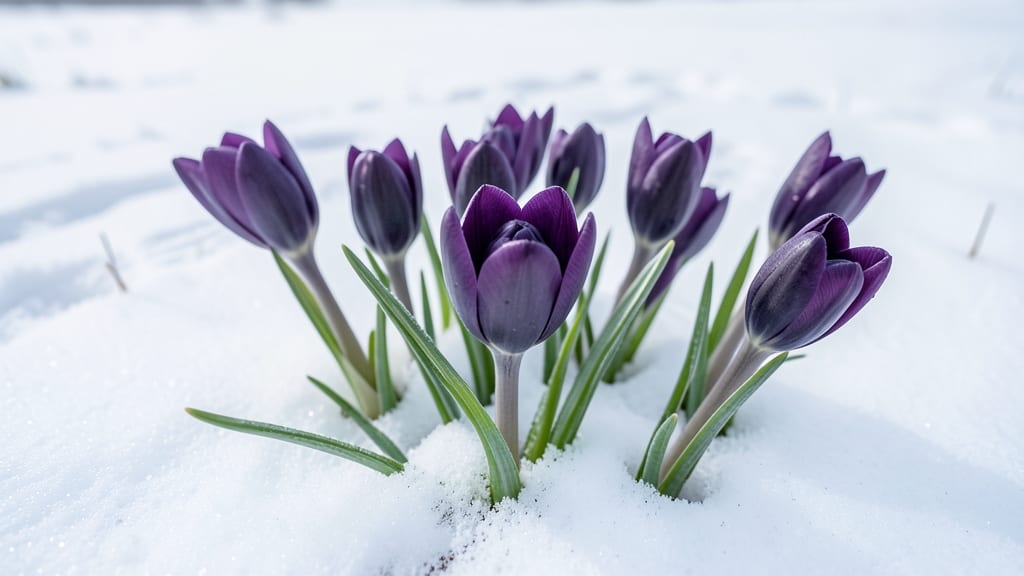
When winter refuses to release its grip, glory-of-the-snow bulbs burst through the snow like nature's own fireworks. Their deep purple, cup-shaped blooms create a dramatic contrast against white snow and emerging greenery, making them the perfect early spring statement-makers for shaded garden borders.
These hardy bulbs thrive in moist, shaded conditions where other plants struggle, preferring well-drained soil enriched with compost. Plant them in fall at a depth of 3-4 inches, spacing bulbs 3-4 inches apart for a natural, clustered look. Their unique growth habit—emerging before leaves appear—makes them ideal for creating focal points in garden beds that receive partial to full shade.
Perfect for gardeners who want to extend their season's color palette, glory-of-the-snow bulbs are especially rewarding for those with woodland gardens or shaded borders. They're also deer-resistant, making them a practical choice for rural or suburban gardens alike. 🌷
Daffodil Bulbs for Partial Shade Gardens
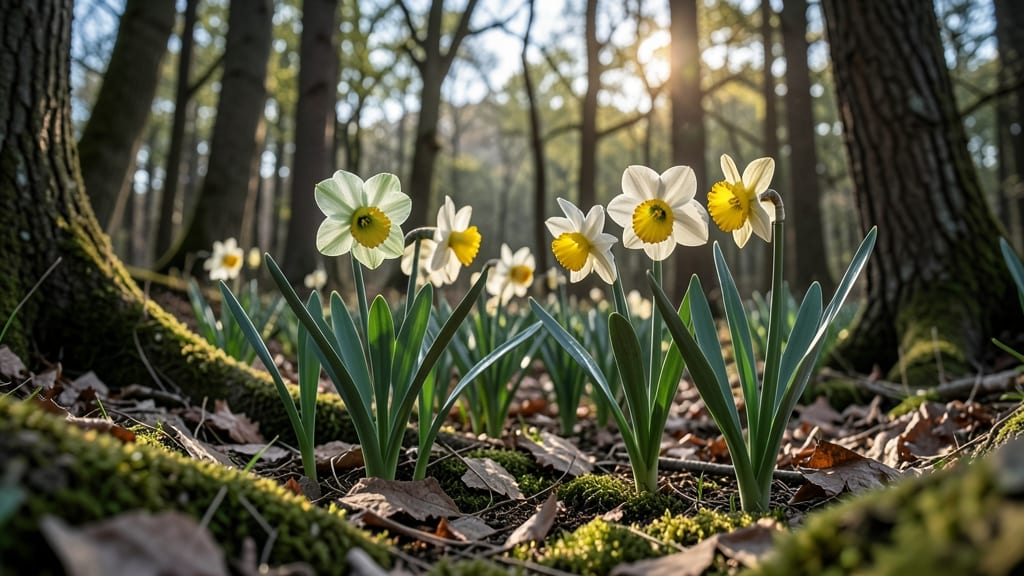
If you’ve ever assumed daffodils belong only in sunny borders, think again—shade-tolerant daffodil varieties like 'Ice Follies' and 'Thalia' prove they’re just as happy in dappled light. These varieties thrive where other bulbs wilt, offering vibrant blooms and pest-resistant foliage without demanding full sun.
Plant them in well-draining soil with morning sun and afternoon shade for best results, and space bulbs 4-6 inches apart for fuller clusters. Their cheerful yellow and white flowers appear reliably each spring, often outperforming sun-loving daffodils in partial shade. This makes them ideal for understory plantings or container gardens tucked near trees.
Perfect for gardeners with woodland edges or patio containers, these daffodils bring effortless color to tricky spots where other bulbs struggle. 🌻
Bluebell Bulbs for Naturalized Woodland Areas
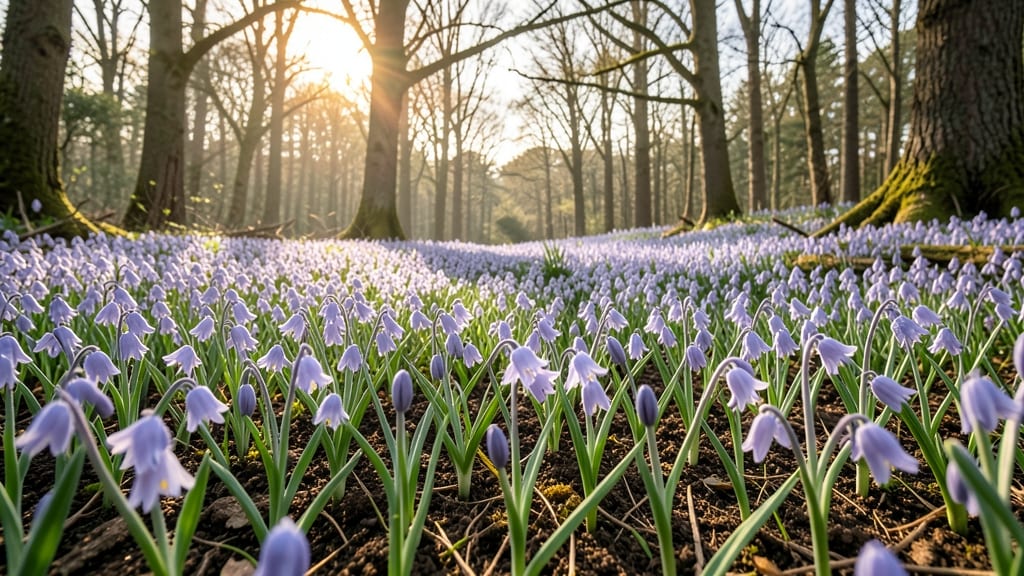
Want to transform your shaded garden into a magical woodland retreat without the upkeep? Bluebell bulbs are the secret weapon—these charming, bell-shaped flowers spread naturally over time, creating lush, self-sustaining carpets of color that thrive under trees where other plants struggle.
Plant Spanish bluebells (Hyacinthoides hispanica) in fall for spring blooms, or opt for native English bluebells (Hyacinthoides non-scripta) for a more delicate look. They prefer moist, well-drained soil and partial to full shade, making them perfect for understory planting. Once established, they multiply effortlessly, rewarding patience with years of fragrant, violet-blue blooms that dance in the breeze.
Ideal for woodland gardeners, cottage-style enthusiasts, or anyone craving a low-maintenance natural look, bluebells bring whimsy and movement to shaded spaces. Let them take center stage! ✨
Fritillary Bulbs for Dramatic Shade Effects
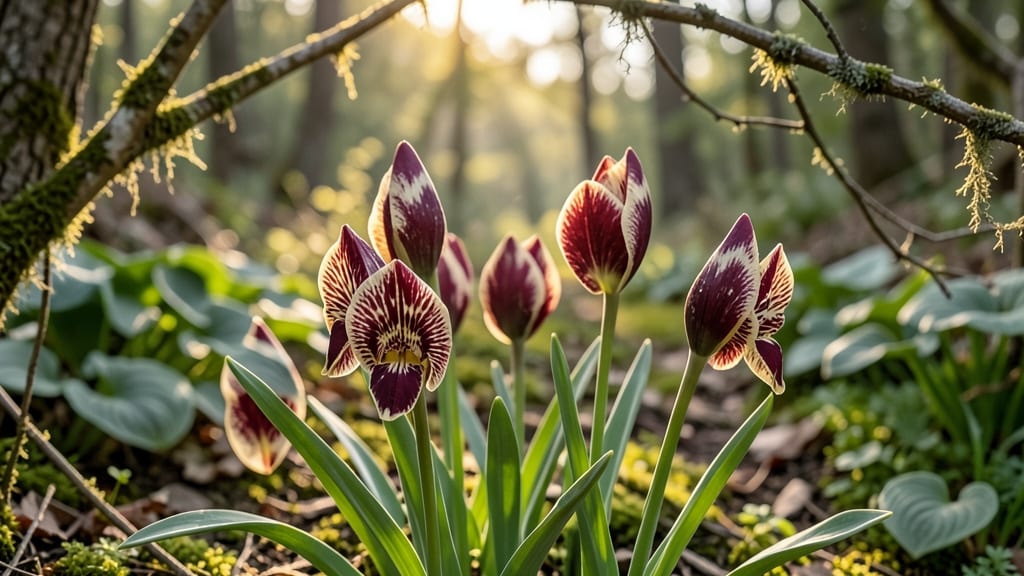
Tired of shade gardens that look dull and predictable? Fritillary bulbs bring bold, artistic drama to partial shade with their distinctive checkerboard-patterned petals and graceful nodding blooms that dance in the breeze.
These woodland natives thrive in partial shade where many bulbs struggle, producing clusters of purple, pink, or white flowers that appear in late spring. Plant them in well-draining soil with a layer of mulch to protect their delicate roots, and watch as they create a striking focal point that outshines sun-loving alternatives. Their unique foliage also adds textural interest long after blooming.
Perfect for gardeners who want high-impact, low-maintenance shade plants, fritillaries are especially rewarding for those with dappled-light areas under trees or along north-facing walls. 🌷
Allium Bulbs for Vertical Interest in Shade
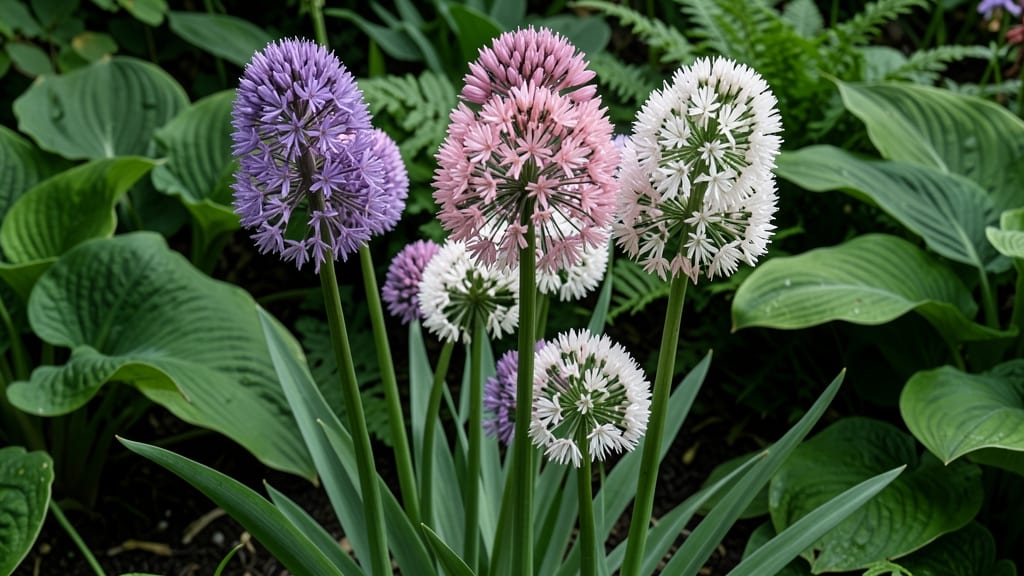
If your shaded garden feels flat and lacks height, allium bulbs are your secret weapon. These architectural stars thrive where others falter, shooting up 2-4 feet tall with striking spherical blooms that catch every breeze. Their purple, pink, or white flower heads create dramatic vertical accents that draw the eye upward.
Plant them in partial to full shade from fall to early winter, burying bulbs 6-8 inches deep for best results. Alliums attract bees, butterflies, and beneficial wasps, making them a pollinator magnet even in low-light areas. Their drought-tolerant nature means less watering once established, and they return year after year with minimal care.
Perfect for urban gardeners with limited space or anyone wanting to add structure to shady borders, alliums prove that shade gardens can be just as bold as sunlit ones. 🌟
Crocus Bulbs for Early Shade Blooms
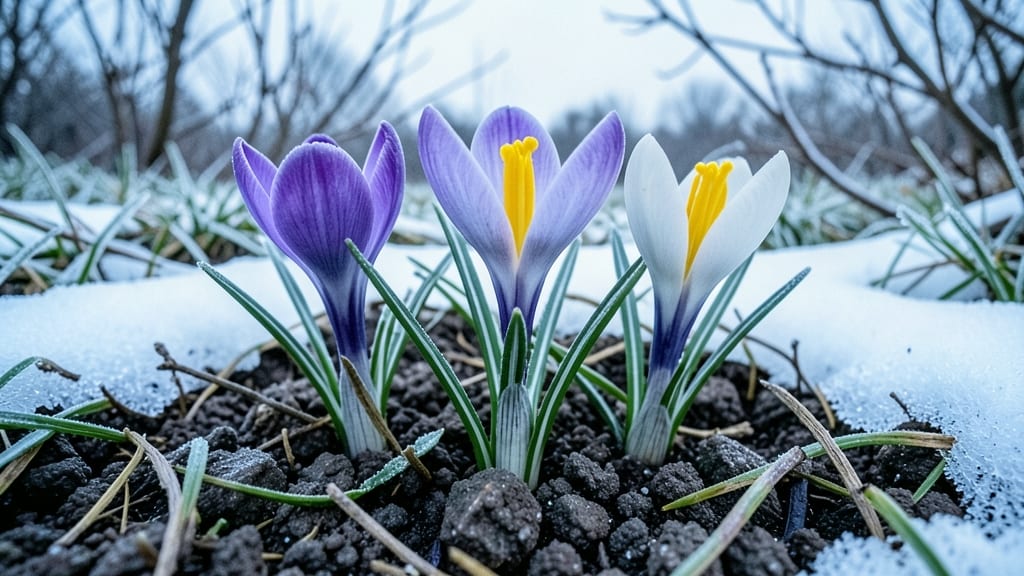
When winter still clings to your garden, crocus bulbs deliver a burst of color that feels like a promise of spring. These hardy bloomers push through snow and frost to reveal delicate petals in shades of purple, yellow, or white—often before other bulbs even think about waking up.
Plant them in deep shade where few other plants survive, like under dense trees or along north-facing walls. Their shallow root systems make them perfect for rocky or poor soil, and they thrive in moist but well-drained conditions. For best results, plant bulbs 3-4 inches deep in fall, spacing them 2-3 inches apart. Once established, they’ll multiply and create cheerful carpets of color year after year.
Perfect for beginners or urban gardeners with limited space, crocuses bring instant joy to shaded spots while requiring almost no maintenance. Just add them to your fall planting list and watch your garden wake up early! 🌱
Tulip Bulbs for Partial Shade Containers

No more sacrificing vibrant tulips for sunny spots—shade-tolerant tulip varieties thrive in containers under trees, proving that partial shade doesn’t mean dull blooms. These special cultivars keep their bold colors and sturdy stems even in filtered light, making them perfect for patios, balconies, or garden nooks where sun is scarce.
Look for varieties like 'Queen of Night' or 'Purple Prince', bred to handle 3-6 hours of dappled sunlight daily. Plant bulbs in well-draining potting mix with a slow-release fertilizer, and choose containers with drainage holes to prevent root rot. Rotate containers seasonally to ensure even light exposure, and deadhead spent blooms to encourage reblooming. 🌷