
Light Requirements
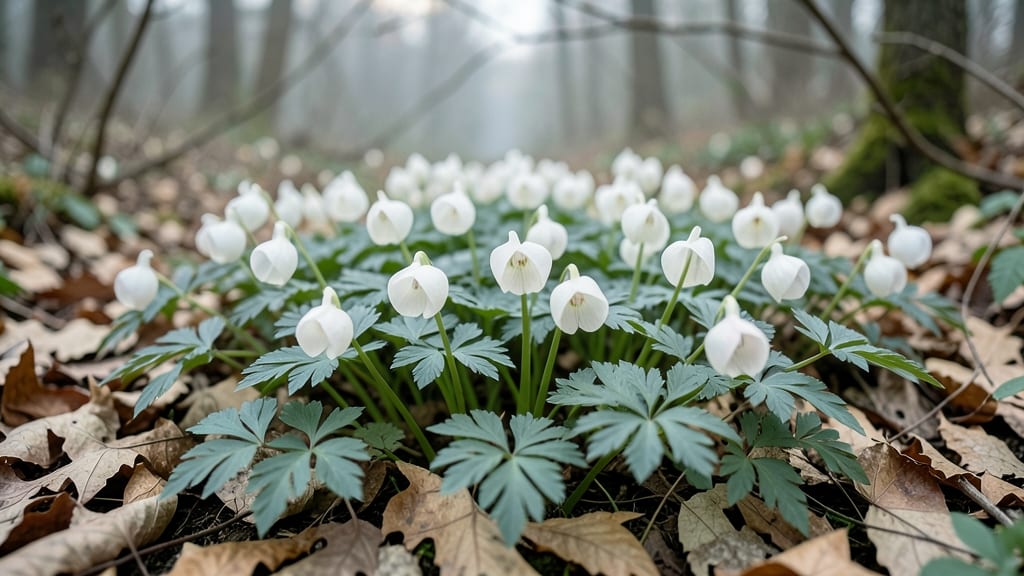
Struggling to grow vibrant flowers in shady spots? These 10 shade-loving bulbs thrive with minimal sunlight, delivering stunning blooms year after year with minimal effort. Perfect for under trees, north-facing gardens, or dense foliage areas.
Snowdrop Galanthus Nivalis Bulbs
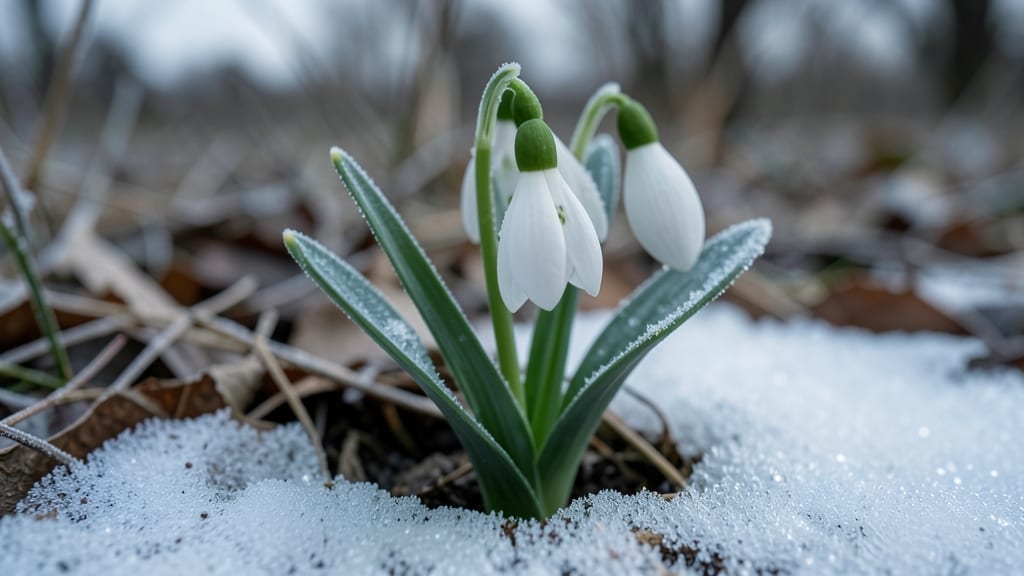
When winter’s grip tightens and most gardens lie dormant, snowdrop bulbs (Galanthus nivalis) defy the cold with their delicate white blooms. These hardy perennials push through snow and ice, offering a cheerful splash of color in the darkest months—often appearing as early as December in mild climates.
Plant them 6 inches deep in well-draining soil beneath deciduous trees or in woodland gardens where they’ll thrive in full to deep shade. Snowdrops multiply easily, creating naturalizing drifts over time. Their toxic properties deter deer and rodents, making them a low-maintenance choice for shaded spots where other bulbs struggle.
Perfect for gardeners with woodland gardens or shady borders, snowdrops reward patience with year-round interest—their sword-like foliage stays green even in winter. 🌱
Crocus Tommasinianus Woodland Crocus
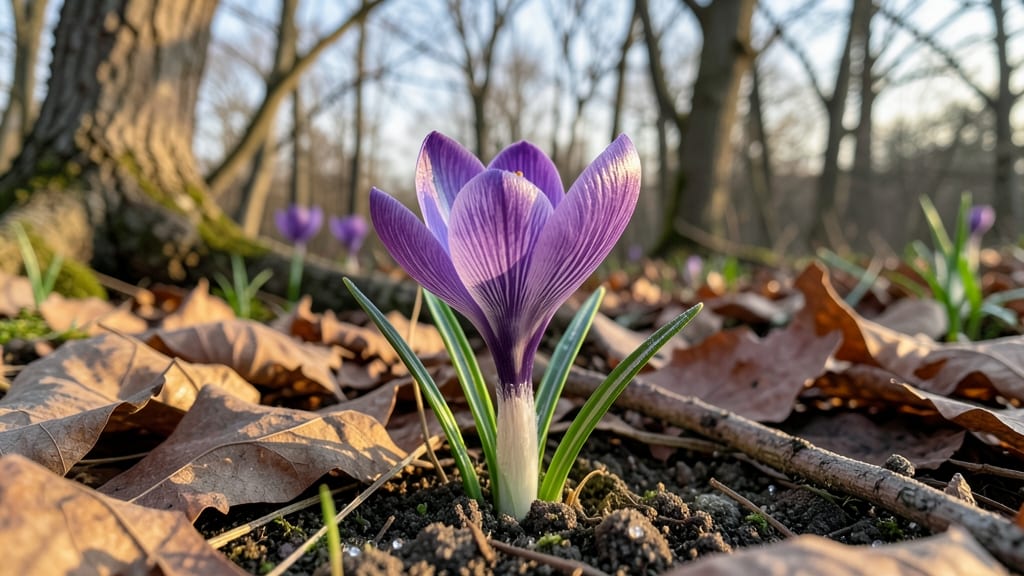
Want to add early spring color to your garden without fighting for sunlight? The Crocus Tommasinianus, or Woodland Crocus, is your secret weapon. These hardy purple blooms push through leaf litter in late winter to early spring, often before deciduous trees leaf out—meaning they get the sunlight they crave when it matters most.
Plant these bulbs in fall (4-6 weeks before frost) in well-draining soil, about 3 inches deep and 2 inches apart. They thrive in partial to full shade and naturalize beautifully under trees, where they’ll spread over time. A light mulch helps protect them from winter freeze-thaw cycles, but otherwise, they’re nearly maintenance-free.
This is the perfect bulb for woodland gardeners or anyone with shady spots under deciduous trees. Their cheerful purple blooms will brighten your garden before most perennials even wake up. 💚
Hellebore Lenten Rose Helleborus Niger
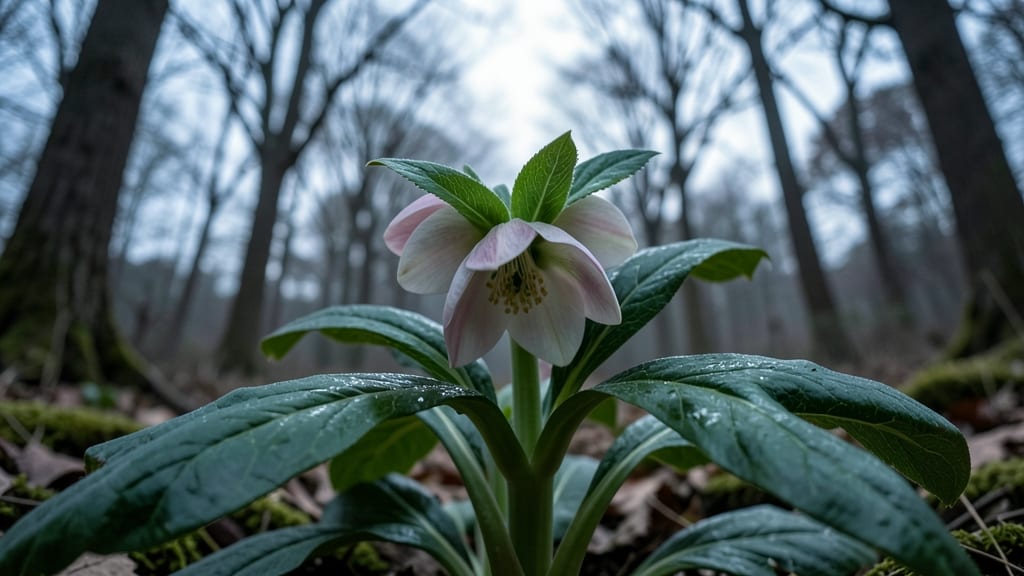
When your garden seems like a lost cause in the deepest, darkest corners, Hellebore Lenten Rose (Helleborus niger) proves shade isn't a limitation—it's an advantage. This evergreen perennial thrives where most plants struggle, offering delicate blooms even in winter when other gardens sleep.
Plant the bulb-like tubers in well-draining soil and full to partial shade, watering moderately to keep the soil consistently moist but never soggy. The leathery leaves stay vibrant year-round, while nodding white flowers appear in late winter to early spring, often before snow melts. Its drought-tolerant nature once established makes it ideal for low-maintenance gardeners.
Perfect for urban gardeners with shady patios or foundation plantings, this hellebore adds structure and elegance without demanding sunlight. Your darkest corners will become the garden's most striking feature. 🌱
Bleeding Heart Dicentra Spectabilis
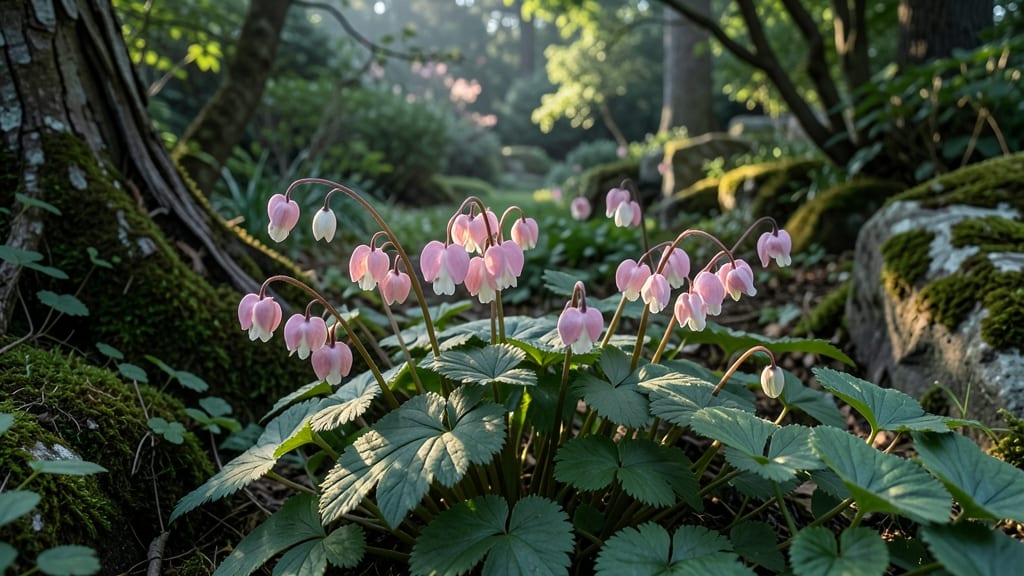
Transform your shady garden corners into romantic woodland retreats with bleeding heart (Dicentra spectabilis), a classic perennial that thrives where most plants struggle. Unlike bulbs that come and go, this plant delivers 3-4 weeks of showy heart-shaped blooms in spring, then returns year after year with lush foliage.
Plant in moist, well-draining soil under trees or shrubs where other plants fade—it tolerates full shade to partial sun and even improves soil health. For maximum impact, group plants in odd-numbered clusters (3, 5, or 7) and stake them early to prevent flopping. Deadhead spent blooms to encourage a second flush in late summer.
Perfect for beginner gardeners and urban spaces, bleeding heart adds vertical drama without requiring sun. Just keep the soil consistently moist during its growing season for stunning results. 🌷
Lungwort Pulmonaria Officinalis
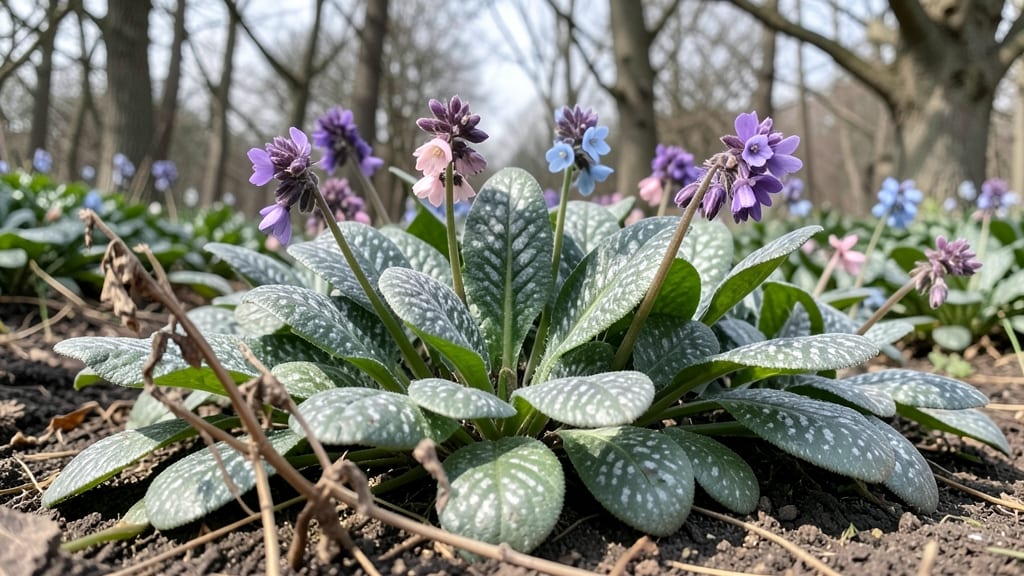
Tired of dull, bare spots in your garden before spring flowers arrive? Lungwort (Pulmonaria officinalis) is your secret weapon—its silver-spotted foliage stays vibrant all winter, while its early blooms (purple, pink, or blue) appear as soon as late winter. This hardy perennial thrives in partial to full shade, making it perfect for under trees or along shady borders.
Plant bulbs in fall at a depth of 2-3 inches, spacing them 12-18 inches apart. Lungwort loves moist, well-draining soil and tolerates poor conditions better than most perennials. Deadhead spent flowers to encourage more blooms, but leave the foliage until it yellows naturally to feed the roots. It spreads slowly, creating a lush ground cover over time.
This versatile plant is ideal for cottage gardens, woodland edges, or even urban courtyards with limited light. Its early color and striking foliage make it a standout in any shady spot. 🌿
Japanese Iris Kaempferi
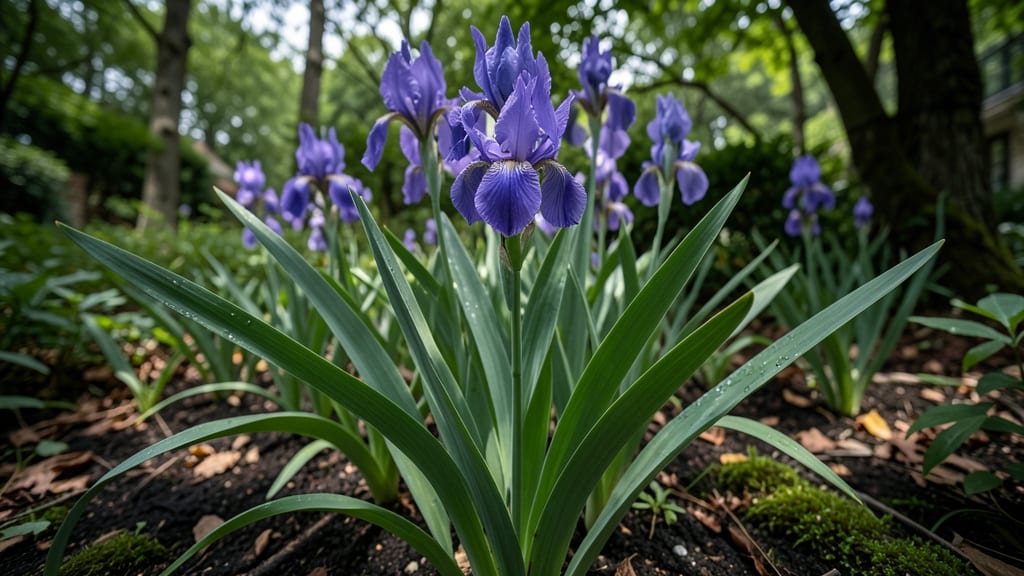
Transform your shady garden into a dramatic focal point with Japanese Iris Kaempferi, a bold perennial that thrives where others struggle. Its sword-like foliage creates striking vertical lines, while clusters of vibrant purple blooms emerge in late spring to early summer, adding unexpected color to dark corners.
This iris loves moist, well-drained soil and tolerates full shade to partial sun, making it ideal for water garden edges or woodland settings. Plant rhizomes just below soil level in spring, spacing them 12-18 inches apart. Once established, they're nearly maintenance-free—just provide consistent moisture and occasional division every 3-4 years to prevent overcrowding.
Perfect for gardeners who want year-round structure with seasonal drama, Japanese Iris Kaempferi brings architectural beauty to shady spots most plants avoid. 💚
Toad Lily Tricyrtis Hirta
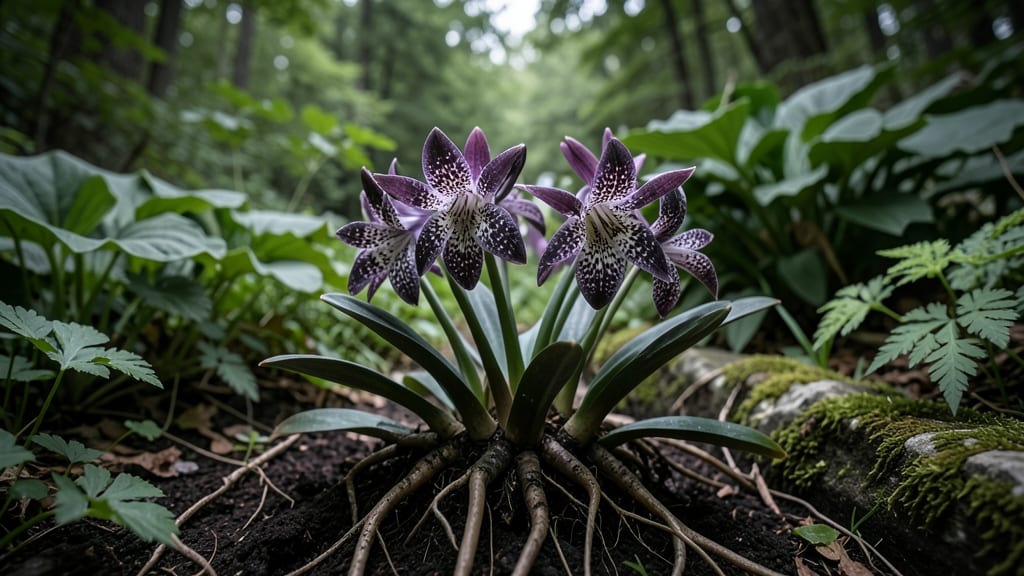
When your shady garden seems to hit a summer slump after spring blooms fade, toad lily (Tricyrtis hirta) steps in as the unsung hero. This late-summer bloomer produces striking, spotted flowers that thrive in deep shade—where most shade plants have already called it quits.
Plant the rhizomes in well-draining, moist soil under trees or along woodland edges. The exotic-looking blooms (purple with white spots) appear in August-September, adding drama when your garden needs it most. Deer tend to avoid this plant, making it a low-maintenance choice for woodland gardens or foundation plantings.
Perfect for gardeners who love unexpected blooms or want to extend their shade garden's season, toad lily delivers exotic beauty with minimal fuss. 🌿
Solomon's Seal Polygonatum Odoratum
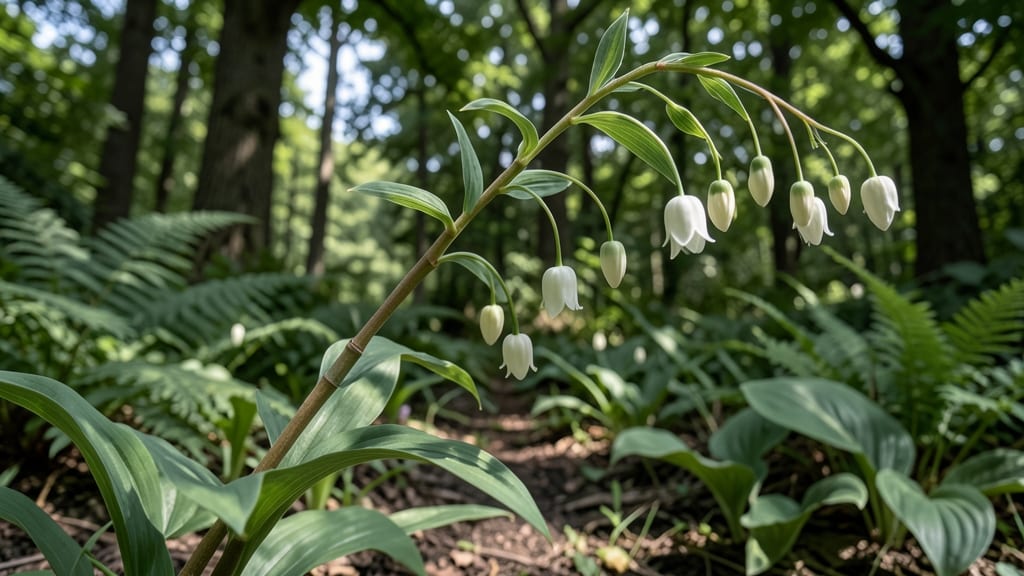
If you crave movement and texture in your shady garden without the fuss of high-maintenance plants, Solomon's Seal (Polygonatum odoratum) delivers with its elegant, arching stems and dangling white flowers. Unlike static perennials, this deciduous plant sways gently in the breeze, creating a dynamic visual effect that’s perfect for woodland gardens or understory plantings.
Plant the rhizomes 3-4 inches deep in moist, well-draining soil with partial to full shade, and watch it thrive where many bulbs fail. The fragrant, bell-shaped flowers appear in late spring to early summer, followed by edible blue-black berries that add seasonal interest. Its tolerance for dry shade once established makes it ideal for urban gardens or areas with poor soil.
Urban gardeners and woodland enthusiasts will love how Solomon’s Seal softens hard edges while requiring minimal care—just avoid overwatering once mature. 🌿
Sweet Woodruff Galium Odoratum
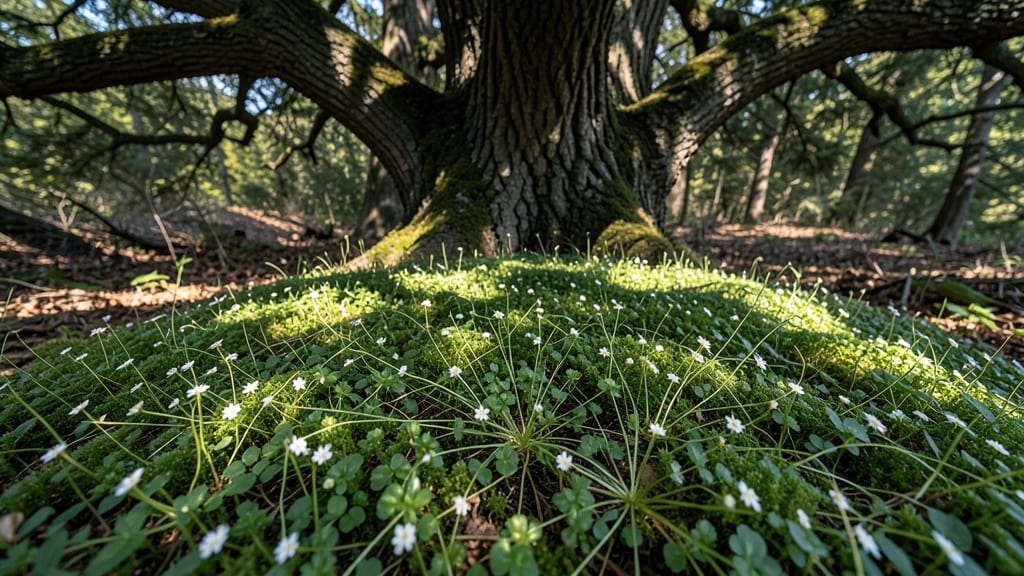
Tired of battling weeds under your trees? Sweet woodruff (Galium odoratum) is the unsung hero of deep shade gardens, offering a fragrant, weed-suppressing carpet that thrives where most plants struggle. This low-growing perennial spreads gently to create a lush, living mulch that blocks light from reaching unwanted weeds while adding delicate white flowers in spring.
Plant sweet woodruff in well-draining soil under deciduous trees or in dense shade where it will spread 12-18 inches wide. Its fragrant foliage releases a sweet, vanilla-like scent when crushed—perfect for pathways or container edges. This hardy ground cover handles dry shade once established and even tolerates light foot traffic, making it ideal for urban gardens with shady corners.
Best for gardeners seeking a low-maintenance, fragrant solution for weed control, sweet woodruff is especially valuable in woodland gardens or under fruit trees where grass won't grow. 🌿
Dutchman's Breeches Dicentra Cucullaria

If you’ve ever spotted whimsical white "pantaloons" peeking through leaf litter in early spring, you’ve likely seen Dutchman’s breeches (Dicentra cucullaria)—a woodland gem that blooms before trees leaf out. These delicate, pantaloon-shaped flowers create a magical carpet of color in deep shade, making them a standout for naturalizing under trees or in forest-edge gardens.
Plant the tubers 1 inch deep in moist, well-draining soil with partial to full shade, mimicking their native woodland habitat. They thrive in humus-rich soil and prefer consistent moisture, though they tolerate some drought once established. Unlike many spring ephemerals, Dutchman’s breeches self-seed modestly, creating charming colonies over time.
This early-season bloomer (March–April) is ideal for gardeners seeking low-maintenance, deer-resistant plants that add vertical interest without needing sunlight. Pair them with trilliums or bloodroot for a layered woodland effect. ✨