
Planting
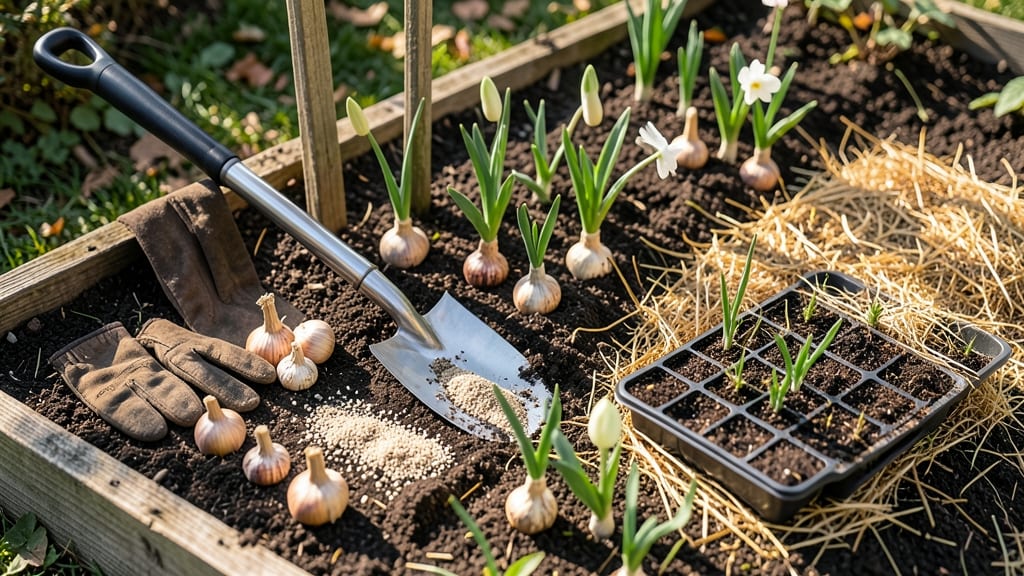
Growing bulbs in fall is your secret to a garden bursting with spring color 🌱 — but timing and soil prep can make or break those blooms.
Picture this: you’ve just tucked in your last batch of tulips and daffodils, only to wake up to a frozen ground before they’ve had a chance to root. That’s the difference between a foolproof planting schedule and a gamble.
The good news? With the right approach, you can set your garden up for success before the first frost.
Fall-planted bulbs like crocuses and alliums thrive when they experience a period of cold, which triggers their spring blooms. But not all bulbs are created equal—some need deeper planting, others prefer well-draining soil, and a few can’t handle soggy conditions.
In Zone 6a, the window for planting is narrow but critical: aim for October to November to give roots time to establish before winter sets in.
In this guide, I’ll walk you through the best bulbs for fall planting, the exact steps to prep your soil, and how to troubleshoot common mistakes—so you can enjoy a garden that wakes up brighter than ever next spring.
Best fall-planted bulbs for spring blooms and their chilling needs
Fall-planted bulbs need cold exposure to trigger spring blooming, but not all varieties have the same requirements. Understanding each bulb’s chilling needs ensures vibrant flowers next season. From tulips to daffodils, timing and placement matter most.
Most bulbs require 12-16 weeks of temperatures between 35-50°F to break dormancy. Plant too early, and roots may sprout before winter; too late, and they won’t establish before frost. Your USDA Hardiness Zone dictates the perfect window—typically 4-6 weeks before ground freezes.
Here’s how the top fall-planted bulbs compare in chilling needs and planting zones:
| Bulb Type | Chilling Needs (Weeks) | Ideal Planting Months (US Zones 3-7) | Spring Bloom Time | Key Notes |
|---|---|---|---|---|
| Tulips | 12-16 weeks | October-November | April-May | Needs well-draining soil; avoid soggy spots. |
| Daffodils | 14-18 weeks | September-October | March-April | Deer-resistant; tolerates partial shade. |
| Crocuses | 10-14 weeks | September-October | February-March | Early bloomers; great for rock gardens. |
| Alliums | 12-16 weeks | October-November | May-June | Drought-tolerant; bold purple blooms. |
| Hyacinths | 14-16 weeks | October-November | April-May | Fragrant; plant in groups for impact. |
Tulips are picky about drainage—amend heavy clay with compost to prevent rot. In Zones 8-10, plant in winter (December-January) to mimic cold exposure. Daffodils, on the other hand, thrive in partial shade and are deer-proof, making them low-maintenance stars.
Crocuses are the earliest bloomers, often popping up through snow in Zone 4. For Zone 10+, consider pre-chilling bulbs in the fridge for 8-10 weeks before planting. Alliums add drama with their globular purple flowers and are drought-tolerant once established.
If you’re in Zone 5 or colder, prioritize daffodils and crocuses—they handle harsh winters best. In warmer Zones 8-10, focus on tulips and hyacinths but plant them later in fall to avoid premature sprouting. Always mulch after planting to insulate bulbs from temperature swings.
Pro tip: Label your bulbs with planting dates to track chilling progress. Most gardeners forget this step, but it’s key for consistent blooming. For container gardens, use well-draining mixes with perlite or sand to mimic ideal soil conditions.
Remember, bulb size matters—larger bulbs (like 12+ cm circumference) produce bigger blooms but may need deeper planting (6-8 inches deep). Smaller bulbs (5-10 cm
Step-by-step fall planting schedule by US hardiness Zones
Fall planting success hinges on understanding your USDA Hardiness Zone and acting at the right time. In Zones 3-10, bulbs like tulips and daffodils need 4-6 weeks of root growth before winter sets in.
Missing this window means weaker blooms—or no blooms at all. Let’s break down the exact steps for each zone to ensure your bulbs thrive.
Start by testing your soil pH (aim for 6.0-7.0) and amending with compost or aged manure. Bulbs hate soggy soil, so improve drainage with sand or grit if needed. The right prep makes all the difference between flopping flowers and showstopping displays next spring.
🌱 Fall Planting Timeline by Zone
-
Zones 3-5 (Cold Climates)
When: Mid-September to early October
Depth: 6-8 inches deep
Spacing: 3-6 inches apart
Soil Temp: Below 60°F -
Zones 6-7 (Moderate Climates)
When: Late September to mid-November
Depth: 5-7 inches deep
Spacing: 4-8 inches apart
Soil Temp: Below 55°F -
Zones 8-10 (Mild Climates)
When: October to early December
Depth: 4-6 inches deep
Spacing: 5-10 inches apart
Soil Temp: Below 65°F
After planting, cover bulbs with 2-3 inches of mulch (straw or shredded leaves work best) to insulate them from freeze-thaw cycles. This prevents heaving, where bulbs push up out of the soil and get damaged. Water deeply once more after mulching to settle the soil around the roots.
Monitor your garden for rodents, which love to snack on newly planted bulbs. Scatter gravel or mesh around planting areas if squirrels or voles are a problem in your area. A little prevention now saves heartache later when you’re eager for spring blooms.
In Zones 9-10, where winters are mild, focus on shade-loving bulbs like snowdrops or glory-of-the-snow. These varieties tolerate cooler temps without the harsh freeze-thaw cycles that stress other bulbs. Adjust your planting depth slightly shallower (4 inches) to account for wetter soils in warmer climates.
By following this zone-specific schedule, your bulbs will develop strong root systems before winter dormancy. Come spring, you’ll be rewarded with bold, healthy blooms that last for weeks—all because you planted at the perfect time.