
Lawn
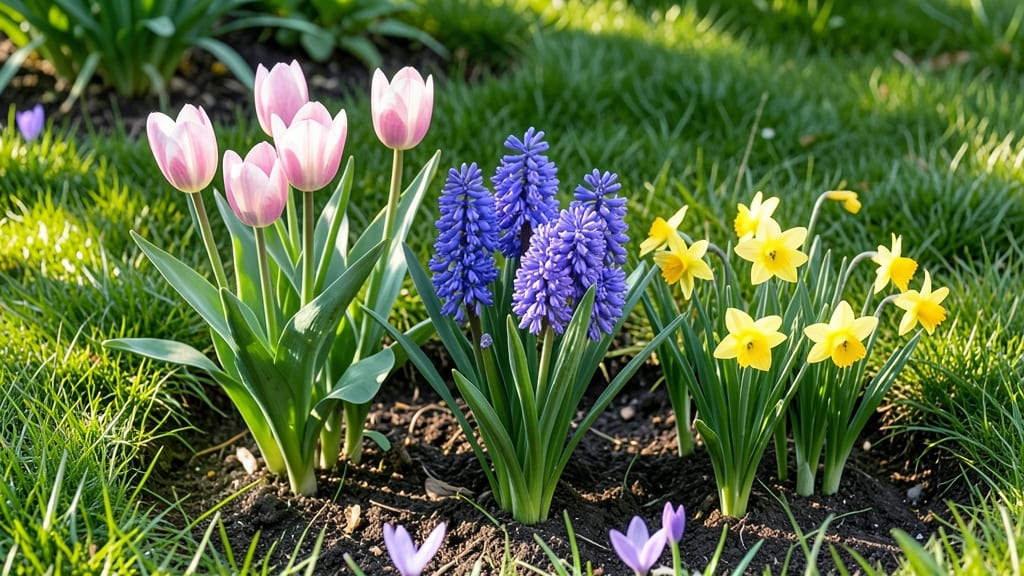
Planting bulbs in grass transforms your lawn into a year-round floral display with almost no extra effort. 🌱 I used to think bulbs needed pristine garden beds, but after my first batch of daffodils pushed through last spring, I never looked back.
The secret? Choosing the right bulbs and giving them just enough space to thrive underfoot.
You’ll need hardy spring bulbs like daffodils, tulips, or alliums—they handle foot traffic better than delicate varieties. A sharp shovel and compost are your only tools. The key is planting in fall (6-8 weeks before frost) when grass is still actively growing but won’t smother new shoots.
Aim for 6-inch spacing and 6-inch depth—deeper for larger bulbs, shallower for tiny ones.
Once planted, water lightly to settle the soil, then let nature take over. The grass will grow right over them, protecting bulbs from frost and hiding them until spring.
When blooms appear, you’ll get bold pops of color without sacrificing lawn function. Just adjust your mower height to 3-4 inches until flowers fade.
This method works in any sunny lawn—no digging required. The bulbs multiply over time, so your display gets bigger every year. Perfect for lazy gardeners who still want drama. Here’s how to make it happen without breaking a sweat.
📚 In This Guide
- What you need
- Instructions
- Tips and common mistakes
- Wrapping up and next steps
What you need
- ● Spring-blooming bulbs (5–10 lbs total): Daffodils (Narcissus) – 10–15 bulbs per 10 sq ft (💡 Choose early, mid-, and late-season varieties for continuous blooms!)
- ● Tulips (Tulipa) – 10–12 bulbs per 10 sq ft (💡 Opt for grass-tolerant varieties like Darwin Hybrid or Fosteriana)
- ● Allium (Ornamental Onion) – 5–8 bulbs per 10 sq ft (💡 Adds height and texture; great for pollinators!)
- ● Crocus (Crocus vernus) – 20–30 bulbs per 10 sq ft (💡 Blooms early—perfect for winter interest!)
- ● Fertilizer: Balanced 10-10-10 or 5-10-10 granular fertilizer (1 lb per 100 sq ft)
- ○ Bone meal (3-14-0) (optional, ½ cup per 10 sq ft for phosphorus boost)
- ● Compost or organic matter: 2–3 inches (for soil amendment)
- ● Hand trowel or bulb planter (for precision planting)
- ● Garden fork or aerator (to loosen compacted soil)
- ● Rake (for smoothing soil post-planting)
- ● Measuring tape or string (to mark planting areas)
- ● Gloves (to protect your hands—trust us, you’ll thank us later!)
- ● Watering can or hose with soaker hose attachment (for gentle watering)
- ● Mulch (straw or shredded leaves) – Helps retain moisture and suppress weeds.
- ● Grass seed mix – For filling gaps after planting (choose a low-growing, shade-tolerant variety).
- ● Plant labels or stakes – Track varieties and blooming times.
- ● Slow-release bulb fertilizer tablets – Convenient for post-planting nutrition.
Step-by-step guide to planting bulbs in grass for year-round beauty
Here's how to transform your lawn into a vibrant, low-maintenance display with seasonal blooms.
🌱 Step 1: Choose the Right Bulbs for Your Climate and Grass Type
Select bulbs that thrive in your hardiness zone and won't outcompete the grass. I recommend tulips, daffodils, or crocuses for most lawns—they naturalize well and return yearly. Avoid aggressive spreaders like alliums if you prefer controlled planting. Check your grass type: cool-season grasses (like fescue) tolerate more competition than warm-season grasses (like Bermuda).
For year-round color, mix spring bloomers (tulips) with early spring (crocuses) and late spring (alliums). I always plant at least 3 bulbs per square foot to ensure good coverage. The key is spacing—plant bulbs 6 inches apart in rows 12 inches apart for easy mowing and even blooms. If your grass is thin, you can plant closer together.
💧 Step 2: Prepare the Soil and Plant at the Correct Depth and Time
Plant bulbs in fall, about 6-8 weeks before the ground freezes. This gives roots time to establish before winter. Use a bulb planter or trowel to dig holes 3 times as deep as the bulb's height—a standard tulip bulb needs 6-8 inches of soil coverage. Loosen the soil at the bottom of each hole to encourage root growth.
If your grass is thick, consider scalping a small area (mowing low and removing clippings) before planting. This prevents smothering young shoots. Water deeply after planting to settle the soil, then keep the area moist but not soggy until freezing. I like to mulch lightly with 2 inches of straw to protect bulbs in harsh winters.
☀️ Step 3: Mow Strategically to Reveal Blooms and Protect New Growth
Once shoots appear in early spring, adjust your mower height to 3 inches to avoid cutting through the stems. Most bulbs have flat, grass-like leaves that photosynthesize—don’t remove them until they turn brown after blooming. If you miss the window, wait until after flowering to mow, but never cut when leaves are still green.
For a polished look, I recommend spot-treating areas with a string trimmer around bulbs instead of mowing directly over them. This prevents accidental damage to emerging stems. After blooms fade, let the foliage die back naturally—it feeds the bulb for next year’s flowers. You’ll know it’s safe to mow when leaves turn yellow-brown and crispy.
✂️ Step 4: Fertilize and Maintain for Long-Term Blooms
Apply a balanced, slow-release fertilizer (like 10-10-10) in early fall after planting and again in early spring as shoots emerge. Avoid high-nitrogen fertilizers—they encourage leafy grass growth at the expense of bulb flowers. I use a bulb-specific fertilizer for best results, but a general-purpose granular works in a pinch.
Water deeply once a month during dry spells in fall and spring to encourage root growth. Bulbs in grass are drought-tolerant once established, but young plants need consistent moisture. If your lawn gets less than 1 inch of rain weekly, supplement with irrigation. Avoid overwatering—bulbs rot in soggy soil.
🪴 Step 5: Divide and Refresh Every 3-5 Years
Most spring-blooming bulbs multiply over time, but their flowers weaken after 3-5 years. In late summer, when foliage yellows, dig up clumps, separate the bulbs, and replant the healthiest ones. Discard soft or shriveled bulbs—they won’t rebloom. I replant every 4 years to keep my lawn vibrant.
To minimize disruption, replant in the same spot or rotate nearby. Overcrowded bulbs produce fewer flowers, so thin them if blooms become sparse. This is also a great time to add new varieties or fill gaps. With proper care, your bulbs will naturalize and create a stunning, self-sustaining display with almost no effort.
Tips & tricks for perfect bulbs in grass planting
A few strategic moves will ensure your bulbs thrive beneath the grass and deliver stunning, low-maintenance blooms year after year.
Bulb Selection Strategy: For optimal results in grass, prioritize tulips, daffodils, and crocuses—these varieties naturalize beautifully and tolerate grass competition. I've found that tulips work best for bold color, while crocuses provide early spring interest. Avoid aggressive spreaders like alliums unless you're prepared for potential overcrowding. Pro tip: Check your hardiness zone and grass type first—cool-season grasses like fescue handle bulbs better than warm-season varieties like Bermuda.
Planting Depth Precision: The 6-8 inch depth for tulips (3 times the bulb height) is non-negotiable—this protects them from frost heave and ensures proper root development. Use a bulb planter for consistent depth, and always loosen the soil at the bottom of each hole. I've learned the hard way that planting too shallow can expose bulbs to temperature fluctuations, while planting too deep delays blooming. For extra insurance, especially in clay soil, consider adding a layer of coarse sand at the bottom of each hole.
Mulching Technique: That 2-inch layer of straw after planting isn't just decorative—it acts as a protective barrier against harsh winter winds and temperature swings. I've seen dramatic differences in survival rates when using mulch versus leaving bulbs exposed. For added protection in colder climates, consider doubling the mulch thickness during the first winter. Just be sure to remove any remaining mulch in early spring before shoots emerge to prevent moisture retention and potential rot.
Fertilizer Timing: The early fall and early spring fertilizer applications are crucial for establishing strong root systems and promoting blooms. I recommend using a bulb-specific fertilizer with lower nitrogen content (around 10-10-10 ratio) to encourage flowering rather than leafy grass growth. Avoid high-nitrogen fertilizers—they'll make your grass grow like a jungle at the expense of those gorgeous blooms you're working so hard to establish.
Pro Tips for Bulbs In Grass
- A few strategic moves will ensure your bulbs thrive beneath the grass and deliver stunning, low-maintenance blooms year after year.
- Bulb Selection Strategy: For optimal results in grass, prioritize tulips, daffodils, and crocuses—these varieties naturalize beautifully and tolerate grass competition.
- Planting Depth Precision: The 6-8 inch depth for tulips (3 times the bulb height) is non-negotiable—this protects them from frost heave and ensures proper root development.
Frequently asked questions
Got questions about planting and maintaining bulbs in grass? You’re not alone—this approach is simple but has a few quirks! Here are answers to the most common queries to help you get the best results with minimal fuss.
Can I plant bulbs in grass year-round, or is there a best time?
The ideal time to plant bulbs in grass is early fall (6–8 weeks before the first frost) or early spring (as soon as the ground thaws). Fall planting gives bulbs time to root before winter, while spring planting works for warm-season grasses. Avoid planting in extreme heat or cold—bulbs need stable soil temps (around 50–60°F) to thrive.
Will bulbs survive if my lawn gets mowed regularly?
Yes! Most spring-blooming bulbs (like daffodils, tulips, and crocuses) are tough enough to handle mowing after they’ve finished flowering. Wait until the foliage turns yellow and starts to flop before cutting back. For summer-blooming bulbs (e.g., alliums or rain lilies), mow high (3–4 inches) to avoid scalping their leaves, which they need to photosynthesize and store energy for next year.
What do I do if my bulbs aren’t blooming?
No blooms? Check these first:
- Depth: Bulbs planted too deep (or shallow) may struggle. Aim for 6–8 inches deep for most types.
- Sunlight: Many bulbs need 6+ hours of sun daily. Shady lawns may require low-light varieties like Galanthus (snowdrops).
- Fertilizer: Skip high-nitrogen lawn feed, which can harm bulbs. Use a balanced bulb-specific fertilizer in fall.
- Pests: Squirrels or voles may dig up bulbs. Try daffodil bulbs (toxic to critters) or plant in wire mesh cages.
Are there alternatives to traditional bulbs for grass planting?
If you want low-maintenance color without traditional bulbs, try:
- Perennial ground covers: Creeping phlox or ajuga add color and stay green.
- Spring ephemerals: Plants like Virginia bluebells or bloodroot bloom early and fade before mowing.
- Grass-like ornamentals: Carex (sedges) or Miscanthus provide texture and movement.
- Wildflower mixes: Seed blends like clover or wild strawberry attract pollinators and stay low.
How often should I replant bulbs in grass?
Most bulbs (especially daffodils and tulips) will naturalize over 3–5 years, meaning they’ll multiply and return yearly with little effort. However, some (like tulips) may fade after 2–3 years. Dig up and divide clumps every 3–5 years in fall to refresh them. For long-term results, mix in 10–20% new bulbs annually to keep your lawn vibrant.
Wrapping up and next steps
Transforming your lawn into a vibrant, low-maintenance garden with bulbs in grass is easier—and more rewarding—than you think! 🌱 By choosing the right varieties and planting them strategically, you can enjoy bursts of color all year with minimal effort.
Whether you're a seasoned gardener or just starting, this approach proves that beauty doesn’t require backbreaking work.
Ready to take the next step? Start small—pick a sunny or shady patch in your lawn and plant a few bulbs this weekend. Before you know it, your yard will be a blooming masterpiece with zero extra mowing! 🌸