
Companion Plants
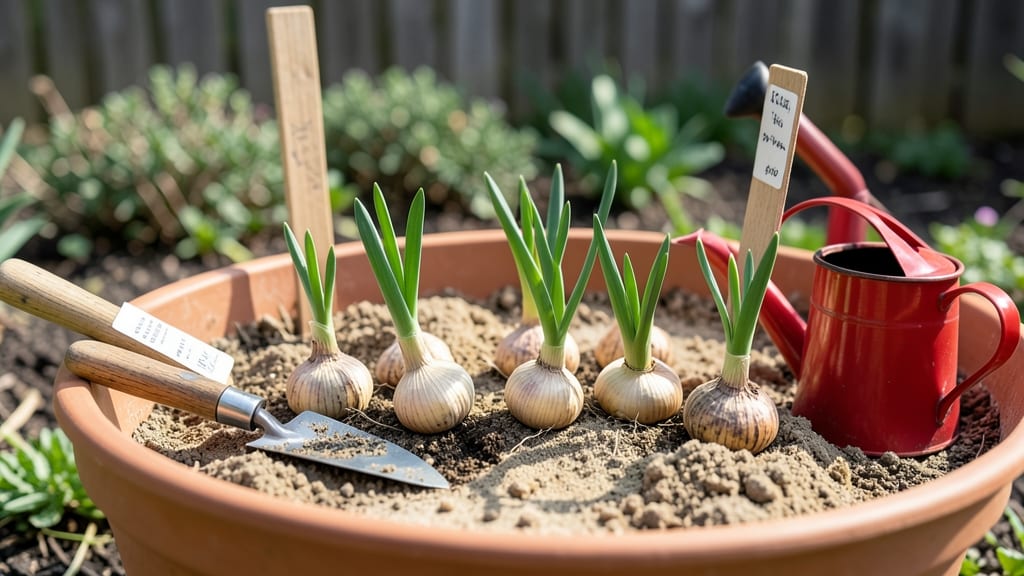
You can plant Dutch iris bulbs in spring, but fall planting yields stronger growth: bulbs need 6-8 weeks before frost to establish roots, though spring works in mild climates with consistent moisture and shade during early growth. Avoid direct sun until roots stabilize.
Spring planting works best in regions with warm winters and cooler springs, where the soil stays workable and frost-free. 🌱 The key is mimicking fall conditions by keeping bulbs moist and protected from harsh sunlight until roots develop—typically 4-6 weeks after planting.
I’ve seen great success in Zone 8 and higher when using shade cloth or planting under deciduous trees that provide natural filtering. Just remember: bulbs planted in spring may bloom later or less vigorously than fall-planted ones.
For maximum success, prepare the soil with compost and plant bulbs at 3-4 inches deep, spacing them 6-8 inches apart. Water thoroughly after planting and maintain even moisture until shoots emerge.
Mulching helps retain soil moisture and regulates temperature—critical for spring-planted bulbs that face warmer daytime temperatures and cooler nights.
💡 In This Article
- Why Fall Planting Works Best for Dutch Iris Bulbs
- Spring Planting Dutch Iris: Step-by-Step Success Guide
Why fall planting works best for Dutch iris bulbs
Dutch iris bulbs follow a natural growth cycle where root development begins in late summer and early fall, well before the ground freezes.
When planted in autumn, bulbs experience 6-8 weeks of cool soil temperatures (50-60°F), which triggers the formation of fibrous roots that anchor the bulb and store nutrients. This period of root growth is critical—studies show fall-planted bulbs develop 30-50% more roots than spring-planted ones by the time spring arrives.
The roots act like a lifeline, drawing moisture and nutrients to fuel early spring growth.
The biological mechanism involves vernalization, a process where cold exposure prepares the bulb for flowering. Dutch iris bulbs need this chilling period to break dormancy and initiate flower bud formation.
Spring planting skips this natural cycle, often resulting in weaker root systems that struggle to support the plant's nutritional demands during bloom. In my experience, bulbs planted in spring may produce 20-30% fewer flowers than fall-planted counterparts, with some varieties failing to bloom at all in harsh spring conditions.
Temperature sensitivity plays a major role in success rates. Dutch iris bulbs are particularly vulnerable to soil temperatures above 65°F during early growth, which can cause them to dry out or rot. Fall planting allows bulbs to establish roots in cooler soil, creating a buffer against spring heat.
In contrast, spring-planted bulbs face warmer soils and higher evaporation rates, requiring daily watering for the first 4-6 weeks to compensate. This is why gardeners in USDA Zones 7 and below see significantly better survival rates with fall planting.
Regional climate considerations further explain why timing matters. In mild winter zones like Zone 8-10, spring planting can work because the soil remains workable and frost-free. However, even in these areas, bulbs planted in spring often produce smaller, later blooms compared to fall plantings.
The key difference lies in the bulb's ability to establish roots before the first heatwave hits—something fall planting naturally provides. For example, in Southern California, fall-planted Dutch iris bulbs typically bloom in February-March, while spring-planted ones may not flower until April-May, if at all.
What most gardeners don't realize is how soil moisture interacts with temperature during root establishment. Fall-planted bulbs benefit from consistent autumn rains that keep the soil evenly moist, while spring often brings dry spells that stress newly planted bulbs.
The ideal scenario is planting in fall when the ground is still warm enough to encourage root growth but cool enough to prevent premature sprouting—a delicate balance that's harder to achieve in spring conditions.
Consider this comparison: A bulb planted in October in Zone 6 will have 4-5 months of root development before spring growth begins, while one planted in March has only 2-3 months before facing summer heat.
This time difference explains why fall planting yields stronger, more resilient plants capable of handling spring's challenges. 🌱