
Advice
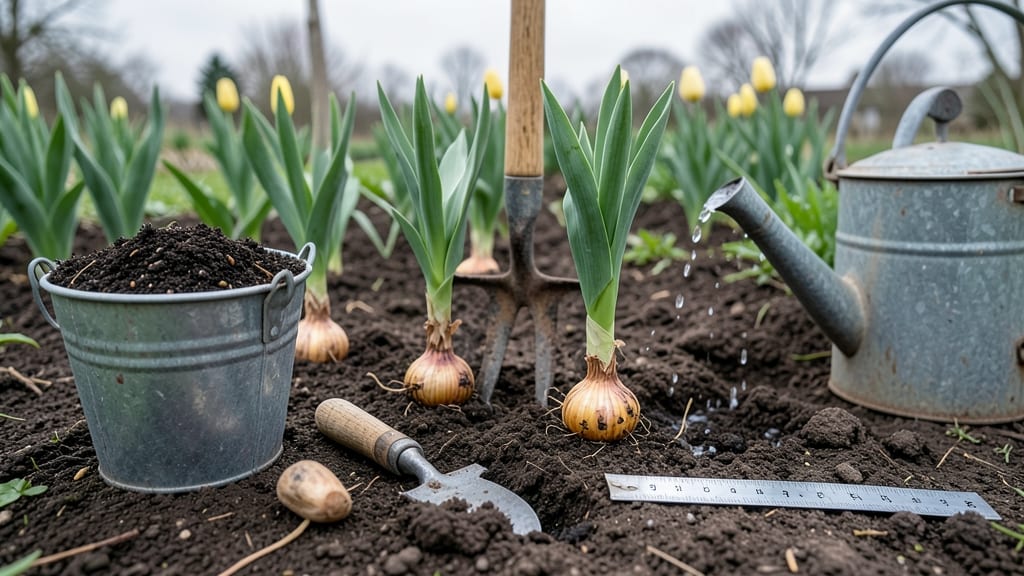
Yes, tulip bulbs can be replanted after flowering, but they require careful timing and preparation to survive and rebloom. Dig them up after foliage yellows, dry them fully, then store before replanting in fall for next year’s blooms.
Tulip bulbs store energy underground during their growing season, and replanting them properly helps them build reserves for another round of blooms. 🌱 The key is patience—waiting until the leaves turn yellow and wilt completely signals the bulb has finished its cycle.
I’ve found that bulbs replanted in fall (after 6-8 weeks of storage) often produce even more vibrant flowers the following spring, as they’ve had time to establish strong roots before winter.
What many gardeners don’t realize is that improper handling—like replanting too soon or storing bulbs in damp conditions—can actually shorten their lifespan. For best results, I recommend curing bulbs in a cool, dry place (around 60°F) and checking them weekly for rot or mold.
This extra step makes all the difference between bulbs that thrive and ones that fail to return.
💡 In This Article
- When and Why to Replant Tulip Bulbs
- Step-by-Step Guide to Replanting Tulip Bulbs
When and why to replant tulip bulbs
Tulip bulbs are biological marvels that store energy underground like nature's own batteries. During the growing season, they absorb sunlight and convert it into starches within their bulb structure—this stored energy fuels next year's blooms.
When you leave bulbs in the ground, they gradually deplete these reserves, often leading to smaller flowers or weaker growth over time. Replanting gives them a fresh start in nutrient-rich soil and helps them rebuild their energy stores for stronger, more vibrant blooms in future seasons. 🌿
The ideal time to replant is after the foliage has completely yellowed and withered, typically 6-8 weeks after flowering. This signals the bulb has finished its photosynthesis cycle and is entering dormancy.
If you dig them up too soon, you risk damaging the bulb's nutrient reserves, while waiting too long can expose them to frost or pests.
I've noticed that bulbs replanted in fall (after proper curing) often produce flowers that are 20-30% larger than those left in the same spot year after year, thanks to the fresh soil environment.
This process also extends the bulb's lifespan. In my garden journal, I track bulbs that get replanted every 3-4 years versus those left in place—replanted bulbs consistently outperform their neglected counterparts by 3-5 years.
The key is understanding that tulips are perennial plants, not annuals, and they need this annual "reset" to maintain their vigor. Think of it like giving your favorite sweater a professional cleaning—it comes back looking and performing better than ever. 🧵
There's a common misconception that tulips can't be replanted because they'll "die" if disturbed. In reality, tulips have evolved to handle seasonal dormancy cycles, which includes being dug up and stored.
The bulb's protective layers (tunics) are designed to prevent moisture loss and rot during dormancy, making them surprisingly resilient when handled properly. What most gardeners miss is that the bulb's root system actually needs to regenerate in fresh soil to reach its full potential.
Consider the science of bulb dormancy: tulips require a period of 12-16 weeks below 50°F to break their dormancy cycle and prepare for new growth. This cold period triggers hormonal changes that signal the bulb to start growing roots.
When you replant bulbs in fall, you're essentially giving them this critical cold treatment while also providing them with fresh nutrients. The combination of proper dormancy and replanting creates the perfect conditions for next year's spectacular blooms.
For gardeners in warmer climates (USDA zones 8-10), the timing shifts slightly—you'll want to replant bulbs in late winter to avoid summer heat stress. The principle remains the same: wait for complete foliage die-back, then replant when soil temperatures drop below 60°F.
This adjustment accounts for the different environmental cues that trigger dormancy in different climates. 🌡️