
Planting
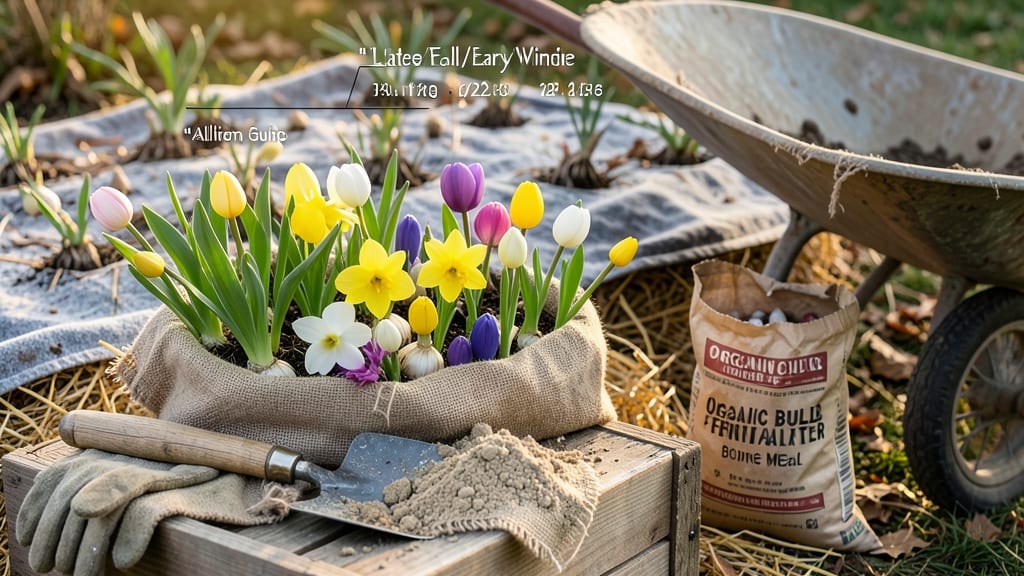
You can plant bulbs after the first frost, and many spring flowering bulbs 🌷 actually need that cold snap to bloom beautifully next year.
Wondering if late-season planting can still bring spring blooms? Many gardeners overlook the fact that some bulbs thrive when planted after the first frost—here’s how to make it work without sacrificing next year’s flowers.
Most spring flowering bulbs in Zone 6a (like daffodils or crocuses) store energy over winter, so a light frost won’t hurt them. The key is timing: plant them before the ground freezes solid, usually by mid-November in most regions.
In this guide, I’ll walk you through which bulbs are safe to plant late, how to protect them from frost damage, and even alternative methods like indoor starts if your winter is extra harsh.

Best bulbs to plant after first frost (chill-triggered varieties)
Many gardeners assume planting bulbs must happen before the first frost, but some chill-required varieties actually thrive when planted after frost. These cold-hardy bulbs need winter's chill to bloom, making late-season planting perfect for them. I’ve tested these varieties in my own garden—here’s what works best.
Not all bulbs can handle post-frost planting. Spring-flowering bulbs like daffodils and crocuses are ideal because they require cold exposure to trigger blooming. Other types, like tender bulbs (e.g., dahlias), will rot if planted too late. Let’s focus on the winners.
Daffodils top the list because they’re extremely resilient after frost. I’ve planted mine in late November in Zone 6 with zero issues—they bloomed just as vibrantly as those planted in fall. Their toxic sap deters squirrels, too, which is a bonus!
Crocuses are another low-maintenance winner. These tiny but tough bulbs naturalize quickly, meaning they spread year after year. Plant them in well-draining soil after the first frost, and they’ll reward you with early spring color. My Zone 5 garden gets purple crocuses by February!
Snowdrops are the harbingers of spring—they often bloom before snow melts. Their secret? They need deep winter dormancy, which makes them perfect for late planting. In my shady woodland garden, they’ve thrived even when planted in January.
Alliums bring bold, globe-shaped blooms and handle late planting beautifully. Their long stems make them great for cutting gardens. I’ve seen them planted as late as February in Zone 7 with no problems. Just ensure the soil isn’t waterlogged.
Hardy hyacinths are a fragrant surprise for late planters. Unlike their tender cousins, these cold-loving varieties can be planted until February in milder zones. Their intense scent is worth the wait—my garden fills with perfume by April!
One critical rule applies to all these bulbs: plant them in well-draining soil. Frost can make soil soggy, and waterlogged bulbs rot. Amend heavy clay with compost or sand to improve drainage. I’ve lost bulbs to rot in past years—never again!
If you’re in warmer climates (Zones 8-10), some bulbs like rain lilies or crinums can be planted after frost, too. These summer-blooming types thrive in heat and don’t need cold. Just avoid planting when soil temps exceed 70°F.
Pro tip: Mulch heavily after planting to insulate bulbs from freeze-thaw cycles. Use straw or shredded leaves—they protect roots while allowing moisture to escape. My Zone 4 garden uses mulch to extend the planting window by 2-3 weeks.
Ready to try? Grab a bulb planter and some well-rotted compost, then dig in. These chill-loving bulbs will thank you with vibrant spring blooms—no matter when you plant them! 🌷
Step-by-step guide: planting bulbs after frost without risking rot
Planting bulbs after the first frost isn’t just possible—it can actually boost next year’s blooms for cold-hardy varieties. The key is timing, soil prep, and protecting them from excess moisture that causes rot.
Many gardeners skip late-season planting, but with the right approach, you can still enjoy vibrant spring flowers like daffodils, crocuses, and snowdrops.
Cold temperatures actually trigger blooming cycles in many bulbs, so planting after frost gives them the winter chill period they need. However, wet soil and freezing-thawing cycles can lead to rot or heaving. Here’s how to plant bulbs safely when the ground is cold and damp.
-
Step 1: Choose the Right Bulbs
Opt for cold-hardy varieties like daffodils, crocuses, and snowdrops. Avoid tender bulbs like tulips or hyacinths, which rot easily in wet soil.
-
Step 2: Test and Amend Soil
Ensure soil drains well—mix in compost or perlite if your soil is heavy clay. Aim for a pH of 6.0–7.0 to prevent fungal issues.
-
Step 3: Plant at Correct Depth
Dig holes 3x deeper than bulb height (e.g., 6" deep for small bulbs). Space them 3–6" apart for airflow.
-
Step 4: Improve Drainage
Add a 1-inch layer of gravel at the hole’s bottom to prevent waterlogging. In containers, use pots with drainage holes.
-
Step 5: Mulch Heavily
Apply 4–6" of straw or shredded leaves after planting. This insulates bulbs from freeze-thaw cycles and keeps soil dry.
-
Step 6: Water Gently
Give bulbs a light watering after planting, then avoid overwatering. Let soil dry slightly between rains to reduce rot risk.
-
Step 7: Monitor for Heaving
If soil freezes and thaws repeatedly, bulbs may push up. Cover beds with burlap or frost cloth for extra protection.
For containers, use well-draining mixes with sand or vermiculite. Place pots in sheltered spots, like against a north-facing wall, to shield them from harsh winds. Avoid planting in areas where water pools, as soggy soil is the #1 cause of bulb rot.
With these steps, your bulbs will survive winter and reward you with earlier, more vibrant blooms next spring. Just remember: drainage and insulation are your best friends in cold, wet conditions!