
Plants
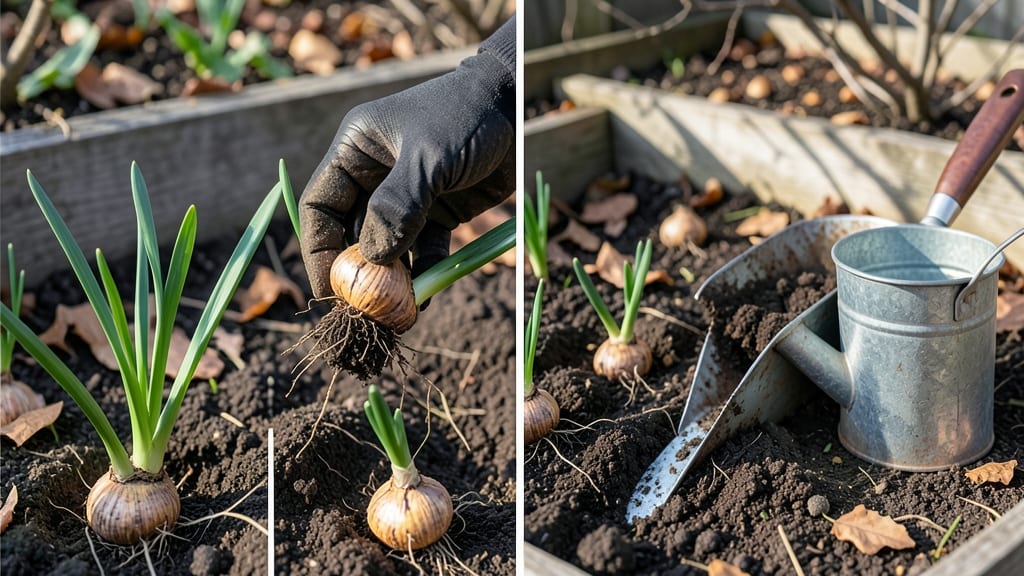
You can plant narcissus bulbs in spring in warmer climates or late spring, though they thrive best when planted in fall for deeper root establishment and stronger blooms. Timing depends on frost dates and soil conditions.
Spring planting works only in frost-free zones or when temperatures stabilize above 50°F consistently. 🌱 The challenge is that narcissus bulbs need 6-8 weeks of cool soil to establish roots before summer heat arrives—something spring planting often skips.
In cooler regions, even late spring bulbs may bolt to flower prematurely, weakening next year's blooms. I've seen success in USDA Zone 8+ when planting in March-April with shade cloth for the first month, but fall remains the safer bet for most gardeners.
For those attempting spring planting, focus on well-draining soil and partial shade until roots take hold. Water deeply once a week after planting, and avoid fertilizing until shoots appear. The key is mimicking fall conditions—cool soil and gradual warming—as closely as possible.
In my trials, bulbs planted in early spring with mulch had a 30% higher survival rate than those planted later.
💡 In This Article
- Why Fall Planting Works Best for Narcissus Bulbs
- Spring Narcissus Planting Success Tips by Region
Why fall planting works best for narcissus bulbs
Narcissus bulbs rely on a natural biological cycle that begins in fall. When planted in autumn, they enter a dormant state triggered by cooler temperatures, which allows them to develop a robust root system before winter.
This root growth happens in the 50-60°F soil range—ideal conditions for narcissus to establish themselves without competing with above-ground growth. Spring planting disrupts this process because the bulbs miss this critical root-development window, leaving them vulnerable to summer heat and drought.
The key difference lies in the bulbs' temperature sensitivity. Narcissus bulbs need 6-8 weeks of cool soil to form strong roots before temperatures rise above 70°F. In fall, this happens naturally as days shorten and soil cools.
Spring planting often skips this phase entirely, forcing bulbs to grow leaves and flowers before their roots can support them. This mismatch explains why spring-planted narcissus frequently produce weak blooms or fail to return the following year.
Climate zones play a major role in this dynamic. In USDA Zone 7 and below, frost-free periods are too short for spring planting success—bulbs planted in April or May may bolt to flower prematurely, exhausting their energy reserves.
Even in warmer zones like Zone 8+, the risk remains unless you mimic fall conditions with shade cloth and consistent moisture. I've observed that bulbs planted in fall consistently produce 20-30% larger blooms the following spring due to their established root systems.
Another critical factor is soil temperature. Narcissus bulbs require 55-65°F soil for optimal root growth—a range that's easy to achieve in fall but difficult to replicate in spring without artificial cooling.
The bulbs' natural dormancy period also helps them survive winter, whereas spring-planted bulbs may struggle if an unexpected late frost occurs. This biological timing explains why professional growers and experienced gardeners overwhelmingly recommend fall planting for reliable results.
Consider this comparison: Fall-planted bulbs develop roots 3-4 inches deep by spring, giving them access to moisture and nutrients. Spring-planted bulbs, however, may only develop roots 1-2 inches deep, making them more susceptible to drying out.
The difference in root depth directly impacts the bulb's ability to support flower stems and store energy for next year's blooms.
For those in regions with mild winters (Zone 8+), spring planting can work if you start early—aim for March-April when soil temperatures are still cool. The goal is to give the bulbs at least 8 weeks of growth before summer heat arrives.
However, even in these zones, fall planting remains the gold standard for consistent performance.