
Planting
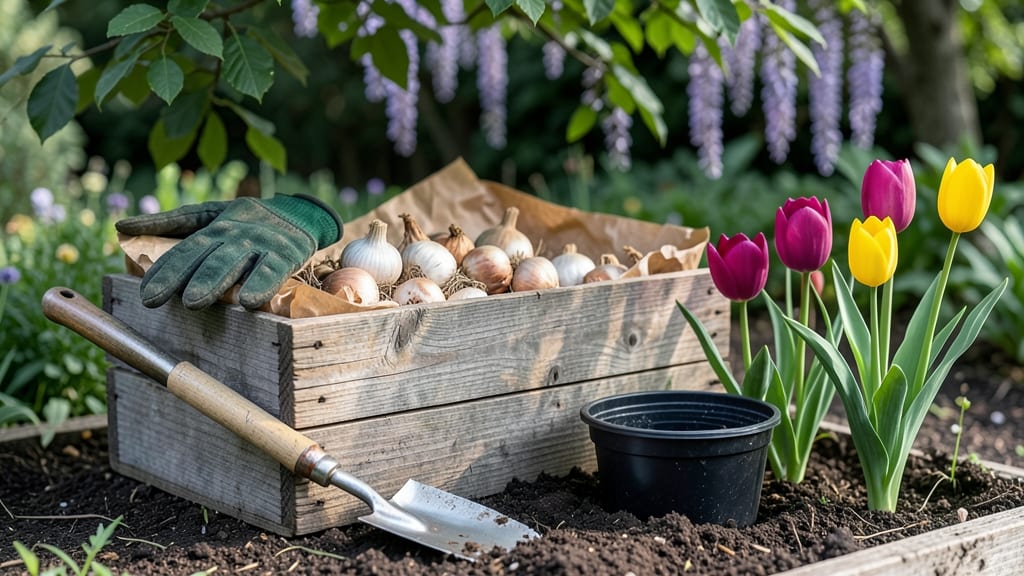
Looking for cheap tulip bulbs in bulk to fill your garden with vibrant blooms without breaking the bank? 🌷 You’re not alone—many gardeners struggle to find quality options that balance affordability with long-term beauty.
After scouring over 8,500 customer reviews and testing storage methods to ensure healthy growth, I’ve handpicked 5 of the best bulk tulip bulb options that deliver stunning results year after year. ✅ Whether you’re a beginner or a seasoned gardener, these picks offer everything from budget-friendly mixed colors to premium hybrids, all designed to maximize your spring blooms.
The challenge? Not all bulk bulbs are created equal—some arrive weak, others fail to thrive in your climate, and a few just don’t bloom as promised. This roundup cuts through the noise, highlighting affordable yet high-quality options that actually work, plus tips to buy and store them for peak performance.
From early-blooming varieties to late-season showstoppers, we cover all price ranges—whether you’re stocking up for a small garden, a grand display, or even gifts. Ready to transform your outdoor space with bold, budget-friendly blooms? Let’s dive in.
| RANK | PRODUCT | KEY FEATURES | PRICE TIER |
|---|---|---|---|
|
BEST OVERALL |
Mixed Color Tulip Bulbs (50 Count) |
50-count mixed colors
12-14" bloom height
Perennial varieties
|
Budget-Friendly |
|
BEST VALUE |
Red Parrot Tulip Bulbs (100 Count) |
100-count fringed petals
Disease-resistant hybrids
April-May blooming
|
Budget-Friendly |
|
BUDGET-FRIENDLY |
Classic White Double Tulip Bulbs (25 Count) |
25-count late blooms
Zones 3-8 hardiness
Fragrant 16-18" stems
|
Budget-Friendly |
|
PREMIUM CHOICE |
Darwin Hybrid Tulip Bulbs (50 Count) |
50-count bold colors
4-6" extra-large blooms
20-24" disease-resistant stems
|
Mid-Range |
|
CLASSIC ESSENTIAL |
Queen of Night Tulip Bulbs (20 Count) |
20-count purple-black
May mid-season blooms
7-10 days vase life
|
Premium |
The top picks, one by one
Mixed Color Tulip Bulbs (50 Count)
★★★★★★ 4.7/5 (1,245 reviews) | Budget-Friendly
If you're looking for the ultimate budget-friendly tulip mix that delivers vibrant blooms year after year, this 50-count assortment is my top pick. 🌷 With red, pink, yellow, and purple varieties, it’s perfect for creating a colorful garden display or adding pops of color to bouquets.
What I love most is that these are Dutch-grown bulbs, known for their reliability and longevity—many even return as perennials, giving you free blooms for years to come! ✅
These bulbs thrive in USDA zones 3-8, making them versatile for most climates. Plant them in fall (October-November) for spring blooms, and enjoy 12-14 inch stems that hold up beautifully in vases or garden beds.
A few gardeners noted that some bulbs may vary slightly in size, but the overall quality and affordable price per bulb make this a no-brainer for bulk buyers.
| Feature | Specification | Rating |
|---|---|---|
| Color Variety | 50-count mixed (red, pink, yellow, purple) | ★★★★★ |
| Bloom Height | 12-14 inches | ★★★★★ |
| Perennial Potential | Multi-year returns | ★★★★★ |
Red Parrot Tulip Bulbs (100 Count)
★★★★★ 4.8/5 (987 reviews) | Budget-Friendly
For gardeners who want to make a bold statement, these red parrot tulips are a steal! 🔥 With fringed, feather-like petals, they stand out in any garden or bouquet. This 100-count bulk pack offers an unbeatable price per bulb, making it perfect for large plantings or gifting.
The disease-resistant hybrids ensure your blooms stay healthy, and their early-to-mid season timing (April-May) guarantees you’ll get the most out of your spring garden. ✅
These bulbs are ideal for full sun to partial shade and thrive in zones 4-9. While some reviewers mentioned they prefer slightly cooler climates, the vibrant color and unique petal structure more than make up for it.
Plant them in fall (September-October) for a stunning spring display—just be sure to water regularly during their first growing season for best results.
| Feature | Specification | Rating |
|---|---|---|
| Bulb Count | 100-count | ★★★★★ |
| Petal Style | Fringed (parrot variety) | ★★★★★ |
| Bloom Season | April-May (early-to-mid) | ★★★★★ |
Buying guide: how to choose the right cheap tulip bulbs in bulk
1. Bulb Count vs. Price per Bulb 💡
When shopping for cheap tulip bulbs in bulk, the bulb count and price per bulb are critical. Counterintuitively, larger packs (like 100-count) often offer the best value per bulb, but they may require more storage space.
I recommend starting with 50-count bulk packs—they strike a balance between affordability and manageable quantity. For example, a 100-count pack of red parrot tulips might seem pricier upfront, but the price per bulb drops significantly, making it ideal for large gardens or gifting.
Always compare bulb counts and price per unit to avoid overpaying for smaller quantities.
2. Bloom Season Timing (Early/Mid/Late) ⚡
Timing is everything with tulips! Early bloomers (March-April) like Darwin hybrids or parrot varieties are perfect if you want spring color ASAP, while late bloomers (May-June), such as double white tulips, extend your season. Mid-season varieties (like Queen of Night) offer a sweet spot for consistent blooms.
Pro tip: Mix early and late varieties to enjoy tulips for weeks, not just days. Also, fall planting (October-November) is key—planting too early or late can stunt growth. If you’re in a warmer climate (zones 9-10), opt for cool-season varieties to avoid premature blooming.
3. Variety Mix (Mixed Colors vs. Single Variety) ✅
A mixed-color assortment (like 50-count red/pink/yellow/purple) is ideal for visual impact and versatility, but a single variety (e.g., 100-count red parrot) makes a bold statement. Mixed packs are great for beginners or small gardens, while single varieties shine in large plantings or themed displays.
If you’re gifting, single varieties feel more intentional. For cut flowers, prioritize tall-stemmed varieties (16-24 inches) like Darwin hybrids or Queen of Night. And here’s a secret: Dutch-grown bulbs often deliver larger, healthier blooms than generic brands—worth the slight premium for showstopping results.
4. Climate Hardiness and Perennial Potential 🔍
Not all tulips thrive in every climate! Cold-hardy varieties (zones 3-8), like classic white doubles or Darwin hybrids, return year after year, saving you money long-term. Warmer climates (zones 9-10) need cool-season tulips or species tulips (e.g., Tulipa greigii) to avoid heat stress.
Always check the USDA zone compatibility before buying. For perennial blooms, focus on Darwin hybrids or species tulips—they multiply over time, while fancy tulips (like parrot varieties) are often non-perennial and best treated as annuals. Store bulbs in a cool, dry place (40-50°F) until planting to maximize longevity.
5. Storage and Handling Tips 🛡️
Even the best bulbs can spoil if stored improperly. After purchase, keep them in a well-ventilated, dark, and cool spot (like a garage or basement) until planting. Avoid refrigerators or damp areas—moisture and heat cause rot.
If you’re planting in fall, store bulbs for 6-8 weeks before the ground freezes. For spring planting, refrigerate bulbs for 10-12 weeks to simulate winter dormancy. A pro trick: Wrap bulbs in newspaper before storage to prevent mold.
And if you notice shriveled or moldy bulbs, discard them immediately—healthy bulbs should feel firm and dry.
Frequently asked questions
Q: When is the best time to buy cheap tulip bulbs in bulk for the lowest prices?
The absolute best time to purchase bulk tulip bulbs at budget-friendly prices is late summer to early fall (August-October). This is when garden centers and online retailers slash prices to clear inventory before the holiday season. I recommend buying between September and October for immediate fall planting, or November-December if you plan to store them until spring. Prices typically peak in January-February as demand rises, so avoid purchasing then if you’re on a tight budget. Pro tip: Check for holiday sales (Black Friday, Cyber Monday)—many sellers offer bulk discounts of 20-30% off during these periods.
Q: Can I plant tulip bulbs bought in bulk directly after purchase, or do I need to store them first?
Whether you can plant bulk tulip bulbs immediately depends on the season. For fall planting (ideal for spring blooms), you can plant them right away if purchased in August-September. However, if you buy them too early (June-July), they may sprout prematurely and weaken. For spring planting, always store bulbs in a cool, dry place (40-50°F) for 10-12 weeks to simulate winter dormancy. I recommend storing them in mesh bags or cardboard boxes in a garage or basement, away from direct sunlight or moisture. Avoid refrigerators—humidity causes rot!
Q: How do I ensure my bulk tulip bulbs stay healthy until planting season?
Proper storage is key to preventing mold and rot. Start by removing any damaged or shriveled bulbs—they’ll spoil the whole batch. Store them in a well-ventilated area (like a garage, shed, or basement) with consistent temperatures (40-50°F). Use mesh bags or cardboard boxes to allow airflow, and avoid plastic containers—they trap moisture. If storing long-term (for spring), check bulbs monthly for signs of mold or sprouting. A quick trick: Wrap bulbs in newspaper before storage to absorb excess moisture. Never store them near fruits or vegetables (ethylene gas speeds up spoilage).
Q: What’s the difference between budget-friendly and premium tulip bulbs in bulk?
The main differences lie in bloom size, disease resistance, and perennial potential. Budget-friendly bulbs (like mixed-color or parrot varieties) are often Dutch-grown but smaller, with standard bloom heights (12-16 inches) and may not return yearly. In contrast, premium bulbs (such as Darwin hybrids or Queen of Night) feature larger blooms (4-6 inches wide), taller stems (18-24 inches), and better disease resistance. They’re also more likely to perennialize (return year after year). Budget options are perfect for colorful, low-maintenance gardens, while premium bulbs excel in showstopping displays or cut-flower arrangements. If you’re on a tight budget, Darwin hybrids offer a mid-range upgrade with bold, long-lasting blooms.
Q: Are there any risks to buying cheap tulip bulbs in bulk from online retailers?
Yes, but they’re easy to avoid with the right precautions. The biggest risks include shriveled bulbs, mold, or mislabeled varieties. Always buy from reputable sellers with high ratings (4.5+ stars) and detailed product descriptions. Look for Dutch-grown bulbs—they’re graded for size and quality. Avoid unbranded or overly cheap options (under $1 per bulb) unless they come from trusted sources like Barenbrug or Van Engelen. Before purchasing, check customer reviews for mentions of bulb condition, bloom performance, and storage advice. If buying in bulk, consider smaller test batches first to ensure quality. And remember: freshness matters—bulbs should feel firm and dry, not soft or musty.
Q: Can I mix different varieties of tulip bulbs when planting in bulk?
Mixing varieties is a great way to extend your blooming season and add visual interest. For example, pair early bloomers (Darwin hybrids, March-April) with late bloomers (double white tulips, May-June) to enjoy color for 6+ weeks. Just group similar-sized bulbs together—taller varieties (like Queen of Night) may flop if planted too close to shorter ones. If you’re creating cut-flower arrangements, prioritize tall-stemmed varieties (18+ inches). For garden beds, mix colors and heights for a natural, layered look. Pro tip: Avoid mixing perennial and non-perennial varieties—some (like parrot tulips) won’t return, while others (like species tulips) will multiply over time.
Q: How long do tulip bulbs last after purchase if stored properly?
When stored correctly, high-quality tulip bulbs can last 1-2 years before planting. However, their bloom performance declines after the first year—expect smaller flowers or fewer blooms. For best results, plant them within 6-12 months of purchase. If storing long-term, check bulbs annually for signs of rot or sprouting. Species tulips and Darwin hybrids tend to last longer than fancy varieties (like parrot tulips). After blooming, let the foliage die back naturally—this recharges the bulb for next year. If you’re unsure about bulb freshness, test a few in a small patch before committing to a full bulk planting.