
Planting
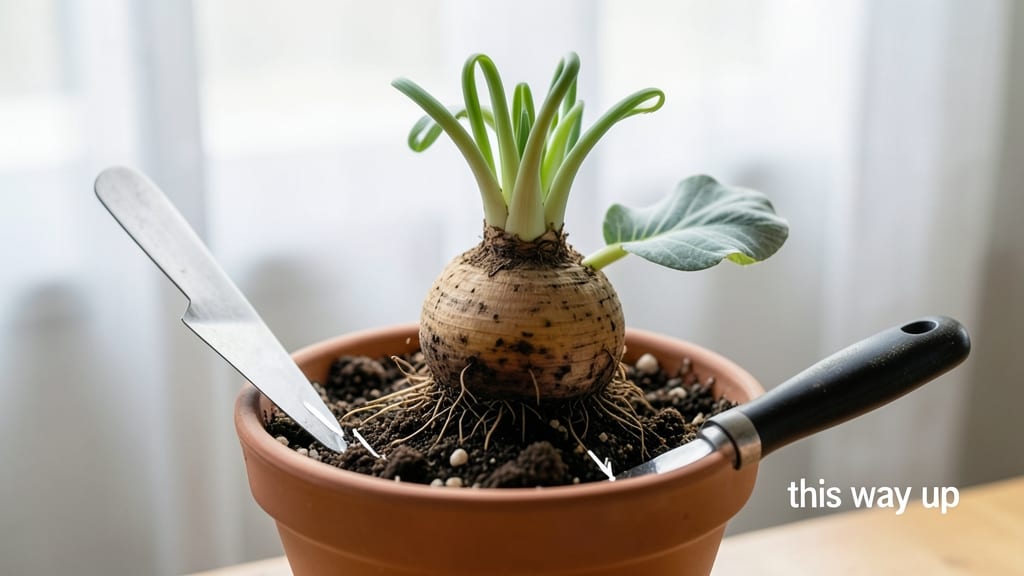
Struggling to plant cyclamen bulbs correctly? Getting the orientation wrong can mean the difference between a thriving plant and a sad, wilted disappointment—here’s the foolproof method backed by gardeners.
These Zone 6 favorites 🌸 thrive when planted in well-draining soil, but their bulbs have a built-in compass: the flat side always faces down, while the pointed end reaches upward. Think of it like a tiny top—balance is everything.
Below, I’ll walk you through the exact steps, including how deep to bury them, the best spacing for containers, and how to spot mistakes before they sink your plants.
How to plant cyclamen bulbs correctly: flat side down, pointy end up
Planting cyclamen bulbs correctly can feel like solving a puzzle—especially when you’re staring at that flat side and pointy end wondering, "Which way up?" The truth is, getting this orientation wrong can stunt growth or even kill your bulb before it blooms.
I’ve planted dozens of cyclamen over the years, and I’ve learned the hard way that flat side down and pointy end up isn’t just a rule—it’s a survival tactic for these delicate bulbs. Let’s break it down so you never second-guess your planting again.
Cyclamen bulbs are unique because they’re asymmetrical—not like round daffodils or symmetrical tulips. That flat side isn’t just for looks; it’s the base where roots emerge. Planting it upside-down traps moisture against the bulb, causing rot.
Meanwhile, the pointy end (often called the "nose") is where the shoot will push through the soil. Think of it like a rocket: the nose points upward to launch growth toward the light.
If you flip it, your cyclamen will struggle to break through, or worse, rot before it even starts.
Here’s the good news: identifying the correct orientation is easier than you think. Most cyclamen bulbs have a natural curve—the flat side curves inward like a spoon’s bowl, while the pointy end curves outward. If you’re still unsure, hold the bulb with the flat side facing your palm.
Your fingers should naturally cradle it like a half-moon, with the pointy end sticking up. This is your visual cue to plant it flat side down.
Step-by-Step: Planting Cyclamen Bulbs the Right Way
-
Step 1: Identify the Flat Side
Hold the bulb and look for the smooth, flat base. It should feel like a shallow dish—this is where roots will grow. -
Step 2: Orient the Bulb
Place the bulb in your hand with the flat side down and the pointy end up. Imagine a half-moon shape—the curve should open upward. -
Step 3: Dig the Hole
Plant cyclamen bulbs 3-4 inches deep in well-draining soil. Use a trowel to create a hole slightly wider than the bulb. -
Step 4: Position the Bulb
Gently place the bulb into the hole with the flat side facing downward. The pointy end should point toward the surface—this is critical for shoot growth. -
Step 5: Cover and Space
Lightly cover the bulb with soil, leaving the top third exposed if planting in containers. Space bulbs 6 inches apart in garden beds. -
Step 6: Water Gently
Water the soil around the bulb until moist but not soggy. Avoid soaking the bulb itself—this prevents rot.
🌱 Pro Tip: If you’re still unsure, snap a photo of your bulb before planting—most gardeners keep a reference handy!
Now that your cyclamen bulb is planted correctly, let’s talk about why this orientation matters so much. The flat side down position ensures the bulb’s natural shape allows water to drain away from its core.
Cyclamen bulbs are prone to rot if they sit in waterlogged soil, and the flat side helps channel moisture toward the roots while keeping the center dry. Meanwhile, the pointy end up directs the shoot’s growth upward, reducing the energy it needs to push through compacted soil.
Without this, your plant might emerge weak or not at all.
One of the biggest mistakes I see (and I’ve done it myself!) is planting cyclamen bulbs too deep. While 3-4 inches is ideal, some gardeners bury them deeper to "protect" them in winter. But cyclamen bulbs need that exposed tip to signal when it’s safe to sprout.
If you’ve already planted yours too deep, don’t panic—just mark the spot and wait. The bulb will still grow, but it might take longer to emerge. For containers, leave the top third of the bulb visible to avoid this issue entirely.
Another common pitfall is using heavy or clay-based soil, which can suffocate the bulb. Cyclamen thrive in light, airy mixes like a combination of potting soil, perlite, and peat moss. If your soil is dense, amend it with compost or sand to improve drainage.
Remember, these bulbs come from Mediterranean climates where water drains quickly after rain—mimic that environment, and your cyclamen will reward you with vibrant blooms come spring.
Once planted, place your cyclamen in a spot with bright, indirect light. A north- or east-facing window is perfect, or use sheer curtains to filter harsh afternoon sun. Avoid direct sunlight, which can scorch the leaves. In containers, rotate the pot occasionally so all sides get even light exposure.
With the right orientation and care, your cyclamen will send up delicate stems in late winter or early spring, followed by clusters of heart-shaped flowers that last for weeks.
If you’re growing cyclamen in containers, choose pots with drainage holes to prevent water from pooling at the bulb’s base. Terracotta pots are ideal because they breathe and help regulate moisture. For garden beds, plant cyclamen in partial shade, such as under deciduous trees where they’ll get dappled sunlight.
Mulch lightly around the base to insulate the soil and keep moisture consistent. With these steps, your cyclamen will not only survive but thrive, blooming year after year with minimal effort.
Final thought: planting cyclamen bulbs correctly is like teaching them to trust the process. When you give them the right orientation, depth, and environment, they’ll focus on growing instead of struggling.
Next time you’re holding one of those little bulbs, take a moment to admire its unique shape—it’s nature’s way of telling you exactly how to plant it. And once you see that first green shoot push through the soil, you’ll know you did everything right.
Common mistakes when planting cyclamen bulbs (and how to fix them)
Planting cyclamen bulbs might seem simple, but small mistakes can turn your spring blooms into a wilted disappointment. The most critical error? Getting the orientation wrong.
Unlike daffodils or tulips, cyclamen bulbs have a flat side and a pointy end, and planting them upside down can stunt growth or even kill the bulb.
Even experienced gardeners sometimes bury cyclamen bulbs too deep or use the wrong soil mix, leading to root rot or poor drainage. The good news? These mistakes are easy to spot—and just as easy to fix.
Let’s dive into the most common pitfalls and how to troubleshoot them before they derail your cyclamen’s success.
⚠️ Cyclamen Bulbs Must Face This Way!
Flat side down, pointy end up—this is non-negotiable. The flat side contains the bulb’s growth nodes, while the pointy end is where the roots emerge. Planting them upside down means no roots, no growth, and a wasted bulb.
Quick fix: If you’ve already planted yours wrong, dig up the bulb, flip it, and replant immediately. The bulb is surprisingly resilient!
Another frequent mistake is burying cyclamen bulbs too deep. These bulbs thrive when planted just 1-2 inches below soil level, with only the top third exposed. Too much soil suffocates the bulb, preventing it from sprouting.
If you’ve planted yours deeper than 2 inches, gently lift the bulb, adjust the depth, and backfill with well-draining soil.
Using the wrong soil mix is a silent killer for cyclamen. They despise heavy, clay-like soil that traps moisture. Instead, opt for a light, airy mix with perlite or sand to improve drainage.
If your soil is too dense, amend it with peat moss or coconut coir before replanting. You’ll know it’s right when water drains through the pot in under 10 minutes.
Watch for yellowing leaves or mushy stems—these are red flags. Yellowing often signals overwatering or poor drainage, while mushy stems point to root rot from soggy soil. Adjust your watering routine to once a week (or less in winter) and ensure containers have drainage holes.
If rot has set in, trim the affected areas and replant in fresh, dry soil.
Finally, avoid placing cyclamen bulbs in direct sunlight or drafty spots. They prefer bright, indirect light, like an east-facing window. If your bulbs look leggy or pale, they’re stretching toward light.
Move them to a shadier spot immediately. With these fixes, your cyclamen will reward you with vibrant blooms next spring!