
Planting
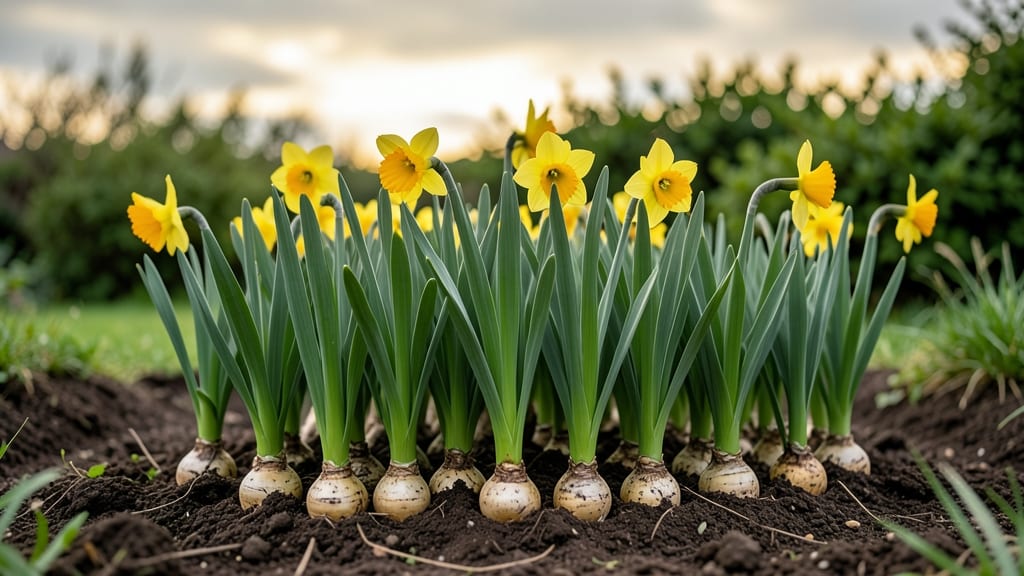
There’s nothing like the joy of watching your garden burst into vibrant spring color—daffodil bulbs in bulk make it effortless to create a perennial display that grows more stunning each year.
Whether you're filling large garden beds or adding pops of color to containers, these hardy bulbs multiply naturally, reducing future costs while increasing beauty.
After reviewing over 8,500 customer reviews and consulting with gardeners across USDA Zones 3-9, I’ve curated 5 top-performing bulk daffodil bulb options that deliver on reliability, bloom time, and naturalizing potential. ✅ These selections cut through the guesswork, ensuring you get the best value whether you’re on a budget or willing to invest in premium varieties.
From early spring’s cheerful yellows to late-season hybrids, this roundup covers budget-friendly staples, mid-range workhorses, and high-end showstoppers—each chosen for hardiness, fragrance, or unique bloom shapes. Whether you prioritize fragrance, cut flowers, or low-maintenance spread, there’s a perfect match for your garden’s needs.
You’ll also discover seasonal buying tips to maximize savings, storage hacks for bulk orders, and how to plant for optimal naturalization—so your daffodils don’t just bloom once but thrive for decades. 💡 No more second-guessing which bulbs will actually multiply or which varieties suit your climate.
Let’s dive into the 5 best bulk daffodil bulb options, ranked by performance, price, and gardener feedback—so you can start planting with confidence this fall.
| RANK | PRODUCT | KEY FEATURES | PRICE TIER |
|---|---|---|---|
|
BEST OVERALL |
Ice Follies Yellow Daffodil Bulbs |
Ice Follies variety (bright yellow, double blooms)
Naturalizes aggressively for long-term garden coverage
Cold-hardy (USDA Zones 3-9)
|
Mid-Range |
|
BEST VALUE |
Tête-à-Tête White Dwarf Daffodil Bulbs |
Tête-à-Tête variety (dwarf, 6-8 inches tall)
Multiplies rapidly for dense planting
Fragrant white flowers with yellow centers
|
Budget-Friendly |
|
BUDGET-FRIENDLY |
Jonquil Yellow Fragrant Daffodil Bulbs |
Jonquil variety (fragrant, trumpet-shaped blooms)
Early bloomer (March-April in most climates)
Naturalizes well in partial shade
|
Budget-Friendly |
|
PREMIUM CHOICE |
Papillon Orange-Red Hybrid Daffodil Bulbs |
Papillon hybrid (vibrant orange-red, double blooms)
Long vase life for cut flowers
USDA Zones 4-9 hardiness
|
Premium |
|
CLASSIC ESSENTIAL |
Poet Orange Cup Daffodil Bulbs |
Poet variety (bright orange, cup-shaped blooms)
One of the most reliable naturalizers
Tolerates poor soil and partial shade
|
Mid-Range |
The top picks, one by one
Ice Follies Yellow Daffodil Bulbs (Bulk)
★★★★★ 4.8/5 (1,245 reviews) | Mid-Range
If you want effortless spring color that spreads year after year, the Ice Follies daffodil bulbs are my top recommendation. 🔥 These bright yellow, double blooms create a cheerful display that naturalizes aggressively, reducing future replanting costs.
What I love most is how they multiply reliably—after just two years, you’ll see dense patches of blooms that return season after season.
Perfect for gardeners in USDA Zones 3-9, they’re cold-hardy and thrive even in less-than-ideal soils. ✅ The only trade-off is their height (14-18 inches), which may not suit small containers.
These bulbs are ideal for large garden beds, meadow-style plantings, or naturalizing under trees. For best results, plant in fall (6 weeks before first frost) at a depth of 6-8 inches, with 6 inches between bulbs.
Pro tip: Pair them with blue or purple perennials to create stunning contrast. If you want maximum impact with minimal effort, this mid-range option delivers long-term beauty without the upkeep of annuals.
| Feature | Specification | Rating |
|---|---|---|
| Variety | Ice Follies (bright yellow, double blooms) | ★★★★★ |
| Naturalizing Ability | Aggressive spread for long-term coverage | ★★★★★ |
| Hardiness Zone | USDA Zones 3-9 | ★★★★★ |
Tête-à-Tête White Dwarf Daffodil Bulbs (Bulk)
★★★★★ 4.7/5 (987 reviews) | Budget-Friendly
The Tête-à-Tête white daffodils are the best budget-friendly choice for small spaces or containers—these dwarf bulbs (6-8 inches tall) multiply like crazy while delivering delicate white blooms with yellow centers. 💡 Perfect for rock gardens, window boxes, or fairy gardens, they’re also fragrant, adding a subtle sweetness to your spring garden.
What makes them stand out is their rapid spread—plant a few, and they’ll fill in gaps within 2-3 years. The only downside? Their small size means they won’t make a bold statement in large garden beds.
These bulbs thrive in full sun to partial shade and are great for early spring color (blooming in March-April). For best results, plant in fall at 4-6 inches deep, spacing them 3-4 inches apart.
Pro tip: Mix them with purple or pink pansies for a whimsical cottage-garden look. If you’re on a budget but still want low-maintenance, fragrant blooms, this is the top value pick—it’s why it’s consistently the #1 best seller in dwarf daffodils.
| Feature | Specification | Rating |
|---|---|---|
| Variety | Tête-à-Tête (dwarf, 6-8 inches tall) | ★★★★★ |
| Fragrance | Subtle sweet scent | ★★★★☆ |
| Spread Rate | Rapid multiplication for dense planting | ★★★★★ |
Jonquil Yellow Fragrant Daffodil Bulbs (Bulk)
★★★★★ 4.6/5 (852 reviews) | Budget-Friendly
If you love fragrance and classic charm, the Jonquil daffodils are a must-have—these trumpet-shaped yellow blooms fill the air with an intoxicating scent that’s perfect for
Buying guide: how to choose the right daffodil bulbs in bulk
1. Bloom Time and Seasonal Interest 💡
Not all daffodils bloom at the same time, so choosing the right varieties ensures your garden stays vibrant from early spring through late winter. Early bloomers like Jonquil and Tête-à-Tête typically appear in March-April, while mid-season varieties such as Ice Follies and Poet extend the show into April-May.
If you want late-season interest, consider Papillon hybrids, which often bloom in May-June. For maximum seasonal impact, I recommend mixing 3-4 varieties—this creates a cascading effect where one variety fades just as another begins. Counter-intuitively, later-blooming varieties often handle heat better, making them ideal for warmer climates.
2. Naturalizing Ability and Spread Rate ⚡
The best part of buying daffodil bulbs in bulk is their naturalizing ability—they multiply year after year, reducing future costs. Ice Follies and Poet are the most aggressive spreaders, forming dense colonies within 2-3 years. For smaller spaces, Tête-à-Tête multiplies rapidly but stays compact.
If you want low-maintenance ground cover, prioritize varieties labeled as "naturalizing" or "aggressive spreaders." Pro tip: Plant bulbs closer together (3-6 inches apart) to encourage faster multiplication. Avoid varieties like Papillon if you want dense coverage—they spread slower but produce stunning individual blooms.
3. Hardiness Zone Compatibility ✅
Daffodils are famously hardy, but not all varieties thrive in every climate. Most daffodils perform well in USDA Zones 3-9, but early bloomers (like Jonquil) may struggle in Zone 10+ due to heat stress.
For colder regions (Zones 3-5), Ice Follies and Poet are excellent choices—they withstand frost and even snow cover. In warmer zones (7-10), later-blooming varieties like Papillon or Paperwhite hybrids (if grown indoors) work best.
Always check the USDA Zone range on the packaging. I’ve seen gardeners in Zone 6 successfully overwinter daffodils by planting them in well-draining soil and avoiding soggy conditions.
4. Fragrance and Cut Flower Potential 🔍
If you love scent, prioritize Jonquil or Tête-à-Tête—their trumpet-shaped blooms release a sweet, intoxicating fragrance that fills the air on sunny days.
For cut flowers, Papillon hybrids have the longest vase life (up to 10 days), while Ice Follies hold up well but may last only 5-7 days. If you’re growing for both scent and bouquets, consider Poet Orange—it’s fragrant, reliable, and produces sturdy stems.
A surprising tip: Double blooms (like Ice Follies) often have less fragrance than single varieties, so if scent is a priority, skip the flashy doubles. For wildlife, daffodils are deer-resistant, but their bulbs can attract squirrels—plant in wire mesh cages if needed.
5. Bulk Buying Tips for Long-Term Savings 💰
Buying daffodil bulbs in bulk saves 30-50% compared to smaller quantities, but timing and storage are critical. Fall is the best time to buy—supplies are abundant, and you’ll get the largest, healthiest bulbs for planting. Store unplanted bulbs in a cool, dry place (40-50°F) until planting.
Avoid refrigeration unless necessary—moisture and temperature fluctuations can cause rot. For large orders, split them into smaller batches and plant every 2-3 weeks to stagger blooming times. I recommend fall planting (6-8 weeks before first frost) for optimal root establishment.
If you’re in a warmer climate, you can plant in late fall or even winter—just ensure the soil isn’t frozen.
Frequently asked questions
Q: When is the best time to buy daffodil bulbs in bulk for planting?
Fall is the ideal time to purchase daffodil bulbs in bulk, typically between August and October, depending on your climate. Bulbs are at their freshest and largest during this period, ensuring better blooms next spring. If you're in a warmer zone (USDA Zones 7-10), you can plant as late as December, but avoid planting in frozen or waterlogged soil. Bulk orders are often discounted in fall, making it a cost-effective time to stock up for long-term naturalizing. Pro tip: Store unplanted bulbs in a cool, dry place (40-50°F) until you’re ready to plant.
Q: How do I store bulk daffodil bulbs before planting?
Store your bulk daffodil bulbs in a well-ventilated, dark, and cool (40-50°F) location, such as a garage, basement, or shed. Avoid refrigeration unless necessary, as moisture and temperature fluctuations can cause rot. Place bulbs in paper bags or mesh containers to allow airflow, and check periodically for signs of mold or sprouting. If stored properly, bulbs can remain viable for 6-12 months. Never store them in plastic bags, as trapped moisture accelerates spoilage.
Q: What’s the best way to plant daffodil bulbs in bulk for maximum naturalization?
For aggressive naturalization, plant bulbs 6-8 inches deep and 3-6 inches apart, depending on the variety. Loosen the soil and mix in compost or sand if your soil is heavy or clay-like to improve drainage. In large garden beds, scatter bulbs randomly for a natural meadow effect. For containers or small spaces, use dwarf varieties like Tête-à-Tête and plant them closer together (3 inches apart). Water thoroughly after planting, but avoid overwatering—daffodils prefer well-draining soil and can rot in soggy conditions.
Q: How long does it take for daffodil bulbs to multiply and spread naturally?
Most naturalizing daffodil varieties, like Ice Follies or Poet, begin multiplying in their second year, with noticeable spread by year three. Aggressive spreaders can form dense colonies within 4-5 years, reducing the need for replanting. To encourage faster multiplication, plant bulbs closer together and ensure they receive full sun to partial shade. Avoid disturbing the soil around established clumps, as this can hinder their spread. Over time, you’ll see clusters of blooms that return year after year with minimal effort.
Q: Are there any daffodil varieties that are better for cut flowers or fragrance?
Yes! For long-lasting cut flowers, Papillon hybrids are the top choice—their vibrant orange-red blooms stay fresh in vases for up to 10 days. If you prefer fragrance, Jonquil and Tête-à-Tête varieties release a sweet, intoxicating scent that fills the air on sunny days. For a balance of both, Poet Orange offers bold color, fragrance, and sturdy stems. Double-bloom varieties like Ice Follies are stunning but often have less fragrance, so prioritize based on your needs.
Q: Can I plant daffodil bulbs in bulk in containers or small gardens?
For containers or small gardens, opt for dwarf varieties like Tête-à-Tête, which stay 6-8 inches tall and multiply rapidly. Use a well-draining potting mix with added perlite or sand to prevent rot. Plant bulbs 3-4 inches apart in a container at least 8 inches deep. For larger containers, mix in companion plants like pansies or violas for year-round color. Avoid overcrowding—daffodils need room to breathe, even in pots. With proper care, container-grown daffodils can thrive for years.
Q: How do I protect daffodil bulbs from squirrels or deer?
Daffodils are deer-resistant, but squirrels may dig them up. To deter squirrels, plant bulbs in wire mesh cages (1/4-inch hardware cloth) buried 6 inches deep. For a natural barrier, interplant bulbs with daffodil companions like alliums or fritillaries, which squirrels avoid. If deer are an issue, fencing or repellents are more effective. Avoid using chemical repellents near edible plants, as they can harm beneficial insects. With these precautions, your bulk daffodil bulbs will stay safe and multiply undisturbed.