
Pests
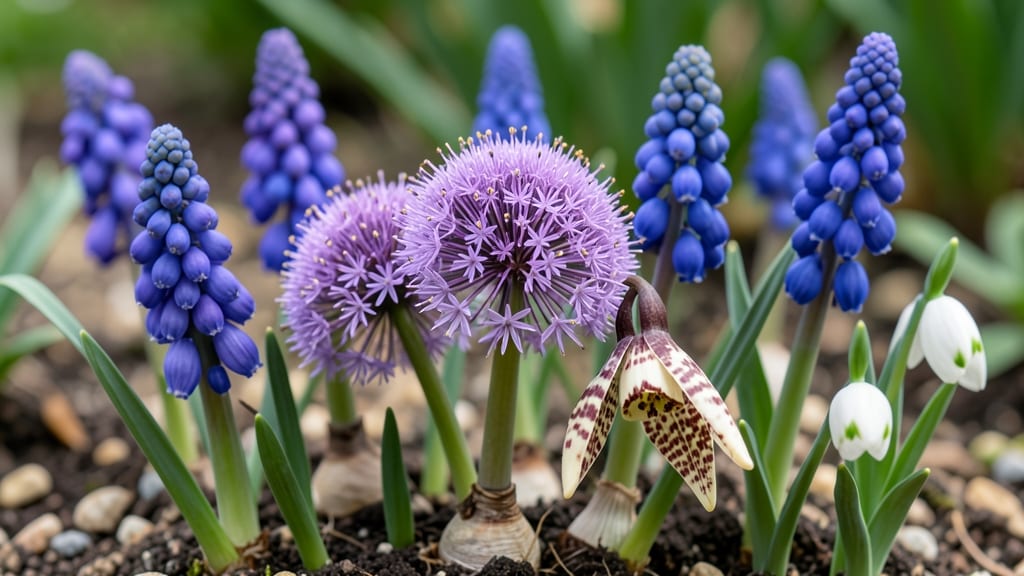
My first spring after moving to the country ended with a deer-proof bulbs recipe that saved my garden from becoming a buffet. 🌱 Those graceful creatures left my tulips and daffodils untouched while devouring my neighbors' entire plots. The secret?
A mix of the right bulb varieties, strategic planting, and a few clever tricks that make your garden less appealing than the field next door. Deer usually avoid bulbs with strong fragrances or bitter tastes—think daffodils, alliums, and fritillaries.
Planting them in clusters also confuses deer, making it harder for them to target individual bulbs. Pair these with iron-clad barriers like physical fencing (at least 8 feet tall) or natural deterrents like garlic or marigolds nearby.
The combination works better than repellents alone, which deer learn to ignore over time. By next spring, you'll wake up to a garden bursting with color, not chewed stems. The bulbs multiply year after year, and deer move on to easier snacks.
This isn't just about survival—it's about creating a garden that thrives despite wildlife. Let’s get those bulbs in the ground before deer get creative with your landscape.
Here’s the thing—deer resistance isn’t just about the bulbs you pick. It’s also about where you plant them. Edge your garden with thorny shrubs like barberry or holly, and deer will think twice before stepping in.
A 1-inch layer of gravel around planted areas adds another deterrent—they dislike the texture underfoot. Even a motion-activated sprinkler (set to a light mist) can train them to avoid your yard entirely. The payoff? A showstopping display that lasts for years with minimal effort.
No more replanting, no more frustration—just reliable blooms that deer can’t resist ignoring. And if you’re worried about deer adapting, rotate your strategies seasonally. A little creativity goes a long way in keeping your garden safe and stunning.
📚 In This Guide
- What you need
- Instructions
- Tips and common mistakes
- Wrapping up and next steps
What you need
- ● Bulbs: Choose deer-resistant varieties like daffodils, tulips, alliums, or crocuses (10–20 bulbs, depending on your garden size).
- ● Hardware cloth or wire mesh: ¼-inch to ½-inch mesh (enough to cover the planting area, typically 2–4 feet deep and 1–2 feet wide).
- ● Staple gun or heavy-duty staples: For securing the mesh to the ground or supports.
- ● Garden twine or zip ties: To reinforce mesh seams or anchor edges.
- ● Garden gloves: To protect your hands while handling mesh and soil.
- ● Shovel or trowel: For digging planting holes (6–8 inches deep).
- ● Gravel or pebbles: Small rocks (1–2 inches) to create a barrier layer at the bottom of the hole.
- ● Planting soil or compost: Well-draining, nutrient-rich mix for bulbs.
- ● Deer repellent spray: Apply around the perimeter for an extra layer of protection.
- ● Decorative rocks or mulch: To camouflage the mesh while keeping it in place.
- ● Plastic plant cages or wire baskets: Pre-made barriers for smaller bulb clusters.
- ● Reflective tape or old CDs: Hang near the garden to deter deer with movement and light.
Step-by-step guide to planting deer-resistant bulbs
Here's the method I've used for years to keep deer from feasting on my prized spring blooms.
🌱 Step 1: Select Deer-Resistant Bulb Varieties
Not all bulbs are created equal when it comes to deer resistance. Focus on varieties like daffodils, alliums, fritillaria, tulipa clusiana, and muscari. Deer typically avoid these because their toxic compounds or strong fragrances make them unappealing. I've found that daffodils and alliums are the most reliable choices—deer will usually leave them alone even when hungry.
Check your local nursery for certified deer-resistant varieties, as regional deer populations may have different preferences. I always plant at least 3-5 bulbs per variety in clusters to create a more visible and less appealing target for browsing deer. The key is to avoid single, isolated bulbs that look like easy snacks.
🪴 Step 2: Prepare the Planting Site with Physical Barriers
Deer are clever and will eventually learn to bypass fences if they're not properly installed. Start by choosing a location with 6+ hours of sunlight and well-draining soil. I recommend planting in a raised bed or container garden if your yard is heavily deer-populated—this gives you full control over the planting environment and eliminates ground-level access.
For in-ground plantings, install a 4-foot tall hardware cloth fence around the perimeter. Bury the hardware cloth at least 12 inches deep to prevent deer from digging underneath. I've seen many gardeners make the mistake of using chain-link fencing, which deer can easily push through or climb over. Hardware cloth is the only material that truly works as a physical barrier.
🌿 Step 3: Plant Bulbs at the Correct Depth and Spacing
Plant bulbs in late fall, about 6-8 weeks before the ground freezes. The general rule is to plant bulbs at a depth equal to 2-3 times their diameter. For example, a 2-inch diameter daffodil bulb should be planted 4-6 inches deep. This depth helps protect them from frost heave and makes them less accessible to foraging deer.
Space bulbs 3-6 inches apart, depending on the variety. Taller bulbs like alliums can be spaced further apart, while smaller varieties like muscari can be planted closer together. After planting, cover the area with a 2-3 inch layer of mulch to insulate the bulbs and deter deer from digging. I use pine straw or wood chips because they break down slowly and provide long-term protection.
☀️ Step 4: Add Natural Deer Deterrents
While physical barriers are essential, adding natural deterrents gives you an extra layer of protection. Plant deer-repellent companion plants around the perimeter, such as lavender, rosemary, foxglove, or columbine. These plants have strong fragrances or toxic properties that deer avoid. I also sprinkle hot pepper wax or deer repellent granules around the planting area—these create an unpleasant taste or smell that deters deer from approaching.
Another effective tactic is to install motion-activated sprinklers. These devices spray water when they detect movement, startling deer and teaching them to avoid the area. I've seen deer completely abandon a garden after just a few encounters with a sprinkler. Place sprinklers around the edges of your planting area, ensuring they cover the entire perimeter.
⏰ Step 5: Monitor and Maintain Through the Growing Season
Once your bulbs begin to sprout in early spring, keep an eye out for any signs of deer activity. Look for chewed leaves, trampled plants, or fresh droppings near the planting area. If you notice any damage, reinforce your barriers immediately. Deer are more likely to return if they find an easy meal, so staying proactive is key.
Water your bulbs deeply once a week during dry spells to ensure they establish strong roots. Avoid overwatering, as soggy soil can invite pests and diseases. In late summer, allow the foliage to die back naturally—this process stores nutrients in the bulb for next year's blooms. I always make a note of which bulbs thrive and which ones get nibbled, adjusting my planting strategy accordingly for the following year.
Tips & tricks for perfect deer-proof plantings
These battle-tested strategies will help you create a fortress against hungry deer while ensuring your bulbs thrive.
Variety Selection Strategy: When choosing between daffodils and alliums, I prioritize daffodils for their strong fragrance and toxic properties that deer absolutely despise. For maximum protection, I always plant at least 3-5 bulbs of each variety in tight clusters—this creates a visual deterrent that makes them less appealing as individual snacks. The key is to avoid planting single bulbs, which look like easy targets to foraging deer.
Barrier Installation Insight: Hardware cloth is non-negotiable for deer-proof fencing—chain link simply won't cut it. I've seen deer push through or climb over chain link fences in minutes, but hardware cloth creates an impenetrable barrier when installed properly. Bury it at least 12 inches deep to prevent digging, and extend it 12 inches above ground level to discourage jumping. For extra security, I add a second layer of fencing around raised beds or container gardens.
Planting Depth Technique: The 2-3 times diameter rule for planting depth is crucial for two reasons: first, it protects bulbs from frost heave that can damage emerging shoots, and second, it makes them less accessible to deer who prefer to graze at ground level. For daffodils with their 2-inch diameter, I always aim for 4-6 inches deep—this depth gives you the best combination of protection and accessibility for root development.
Natural Deterrent Layering: I don't rely solely on physical barriers because deer are clever. Layering natural deterrents creates a multi-sensory repellent system. Plant lavender and rosemary around the perimeter—their strong fragrances alone often deter deer. Then add foxglove with its toxic properties, and sprinkle hot pepper wax or deer repellent granules. The combination of visual, olfactory, and taste deterrents creates a comprehensive defense system that's much harder for deer to overcome.
Pro Tips for Deer Proof Bulbs
- These battle-tested strategies will help you create a fortress against hungry deer while ensuring your bulbs thrive.
- Variety Selection Strategy: When choosing between daffodils and alliums, I prioritize daffodils for their strong fragrance and toxic properties that deer absolutely despise.
- Barrier Installation Insight: Hardware cloth is non-negotiable for deer-proof fencing—chain link simply won't cut it.
Frequently asked questions
Got questions about deer-proof bulbs? You’re not alone—gardeners everywhere want to protect their hard work from hungry deer! Here are answers to the most common queries to help you plant with confidence.
What makes a bulb truly deer-proof?
No bulb is 100% deer-proof, but deer-resistant varieties (like daffodils, alliums, and fritillarias) contain toxic compounds deer avoid. Pair them with physical barriers (like wire cages or repellent sprays) for extra defense. Think of it as a team effort—nature’s deterrents + your clever tricks!
When is the best time to plant deer-proof bulbs?
Plant in fall (October–November) for spring blooms—deer are less active then, and bulbs establish roots before winter. If you miss fall, early spring (March–April) works too, but mulch heavily to deter digging. Pro tip: Plant in clusters for a stronger scent barrier—deer hate surprises!
Can I use deer-proof bulbs in containers?
Containers are great for mobility—just ensure pots are heavy or buried halfway to prevent tipping. Use deer-resistant bulbs like tulips or hyacinths and add a layer of chicken wire at the bottom. Bonus: Move them to a garage or deck overnight if deer are persistent.
What do I do if deer still dig up my bulbs?
Don’t panic! Try these fixes:
- Upgrade barriers: Bury wire mesh 12+ inches deep around the planting area.
- Add distractions: Plant deer-loved veggies (like lettuce) nearby to lure them away.
- Spray repellents: Use rotten egg or predator urine sprays (reapply after rain).
Are there deer-proof alternatives to traditional bulbs?
Yes! Skip bulbs altogether and try:
- Perennials: Lavender, salvia, or Russian sage—deer avoid their strong scents.
- Ornamental grasses: Miscanthus or feather reed grass—tough, deer-resistant, and low-maintenance.
- Rock gardens: Deer rarely dig in rocky soil—pair with sedum or sempervivum for a drought-proof, deer-proof combo.
Wrapping up and next steps
Protecting your garden from deer shouldn’t mean sacrificing beauty—deer-proof bulbs are the game-changer you need! 🌱🛡️ With the right materials and a little creativity, you can create barriers that keep those hungry browsers at bay while keeping your landscape stunning.
Whether you opt for repellent plants, physical guards, or clever designs, your garden will thrive without the stress.
Ready to take action? Start small—test a few bulbs in one section first—then expand your defenses. Your future self (and your blooming garden) will thank you! 🌸✨