
Planting
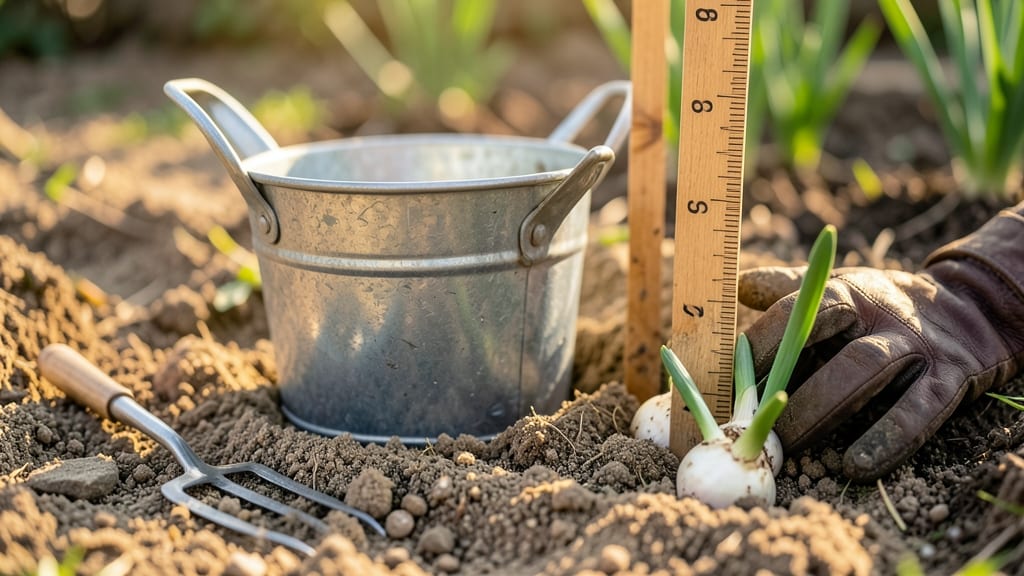
Planting daffodil bulbs at the right depth—6 inches deep—is the secret to those bold, cheerful blooms that poke through snow. 🌱 I’ve learned the hard way that shallow planting means weak stems and floppy flowers, while too deep delays blooms for years.
The magic happens when you balance frost protection with root development, creating a system that thrives even in winter’s chill.
Most gardeners dig a hole twice as deep as the bulb itself, but soil type matters—sandy soil drains faster, so you might go slightly deeper (6.5 inches) to hold moisture. Amend heavy clay with compost to improve drainage, and space bulbs 4-6 inches apart for airflow.
This isn’t just about depth; it’s about setting them up for a strong start before winter’s first freeze.
When done right, you’ll see sturdy stems and vibrant blooms by early spring, often before other perennials even think about waking up. The bulbs store energy underground, protected from frost, while their roots spread outward—exactly what you want for years of reliable color.
Think of it as a long-term investment in springtime joy.
Troubleshooting shallow planting is easy: if stems lean or flowers flop, dig up the bulb next season and replant it deeper. Over time, your daffodils will naturalize, multiplying and returning year after year with minimal effort. The key? Get that depth right the first time.
📚 In This Guide
- What you need
- Instructions
- Tips and common mistakes
- Wrapping up and next steps
What you need
- ● Daffodil bulbs: High-quality, firm bulbs (size varies by variety—typically 5–8 inches in diameter). Choose hardy varieties like Tête-à-Tête or Ice Follies for reliable blooms.
- ● Well-draining soil: Loamy, slightly sandy soil (amend with compost or organic matter if needed). Avoid heavy clay.
- ● Garden fork or tiller: For loosening soil to a depth of 12–15 inches.
- ● Measuring tape or ruler: To ensure proper planting depth (usually 6–8 inches for most daffodils).
- ● Bone meal or bulb fertilizer: A low-nitrogen option (5-10-10 ratio) to encourage root growth. Apply 1–2 tablespoons per bulb.
- ○ Mulch (optional but helpful): Straw, shredded leaves, or pine needles (2–3 inches) to protect bulbs in winter.
- ● Hand trowel: For precise planting and adjusting soil around bulbs.
- ● Garden hose or watering can: To water bulbs thoroughly after planting (aim for 1 inch of water).
- ○ Garden markers (optional): Label varieties if planting multiple types (use biodegradable stakes!).
- ● Gloves: To keep hands clean and protect from sharp soil or bulb skins.
- ○ Wheelbarrow (optional): For hauling soil or compost to planting areas.
- ● Timing: Plant bulbs 6–8 weeks before the first hard frost (typically October–November in most U.S. zones).
- ● Location: Choose a spot with full sun (6+ hours/day) or partial shade (especially in hot climates).
- ○ Soil test (optional but recommended): Check pH (ideal: 6.0–7.0) and amend if needed.
Step-by-Step guide to planting daffodil bulbs at the right depth
Here's the foolproof method I rely on every fall to ensure vibrant spring blooms that multiply year after year.
🌱 Step 1: Choose the Right Planting Location
Daffodils thrive in full sun—at least 6 hours of direct sunlight daily—but tolerate partial shade in hotter climates. I always plant mine where they'll get morning sun and afternoon shade, especially in zones with intense summer heat. Avoid low-lying areas where cold air settles, as this can damage the bulbs.
Test your soil's drainage by digging a 6-inch deep hole and filling it with water. If it doesn't drain within 30 minutes, amend the soil with 2-3 inches of coarse sand or gravel mixed into the top 12 inches of soil. Daffodils rot quickly in soggy conditions, so proper drainage is non-negotiable.
🌱 Step 2: Prepare the Soil for Frost-Proof Planting
Work the soil to a depth of 12 inches, loosening it with a fork or tiller to encourage root growth. I like to mix in a 2-inch layer of compost to provide nutrients without overwhelming the bulbs. Avoid fresh manure or high-nitrogen fertilizers, which can burn the delicate roots and encourage leaf growth at the expense of blooms.
For heavy clay soil, I blend in 1 part perlite or vermiculite for every 3 parts soil to improve aeration. The goal is a loose, crumbly texture that holds moisture but drains freely. Press down lightly after amending—you want the soil to be firm enough to support the bulbs but not compacted.
🌱 Step 3: Plant Bulbs at the Correct Depth for Your Climate
Daffodil bulbs need 3 times their height in depth for frost protection. If your bulbs are 2 inches tall, plant them 6 inches deep. In colder climates (zones 3-5), I go even deeper—7-8 inches—to shield them from freeze-thaw cycles that can heave bulbs out of the ground.
Place the bulb with the pointed end up and the flat base down. Space bulbs 4-6 inches apart in rows 12 inches apart to allow for future growth. If planting in groups, I arrange them in odd-numbered clusters (3, 5, or 7 bulbs) for a natural, balanced look.
💧 Step 4: Cover and Water for Establishment
Backfill the hole with soil, pressing gently to eliminate air pockets around the bulb. I like to add a 1-inch layer of mulch (straw or shredded leaves) to insulate the soil and retain moisture. Avoid thick mulch layers, which can smother the bulbs or attract rodents.
Water deeply right after planting to settle the soil and encourage root growth. The soil should feel moist but not soggy to the touch. In dry climates, I water once more 2-3 weeks later to ensure roots establish before winter dormancy. Overwatering now can lead to rot, so let the top 2 inches of soil dry out between waterings.
⏰ Step 5: Monitor and Adjust for Spring Growth
In early spring, watch for green shoots breaking through the soil—this is your signal that the bulbs are waking up. If your area experiences late frosts, I cover new growth with frost cloth until temperatures stay consistently above 32°F. Daffodils are hardy, but tender shoots can be damaged by unexpected cold snaps.
Once shoots reach 4-6 inches tall, remove any mulch to allow sunlight to reach the leaves. This is when the bulbs are actively feeding, so avoid fertilizing—too much nitrogen now will encourage leafy growth at the expense of next year’s blooms. Let the plants photosynthesize naturally for 6-8 weeks before deadheading spent flowers.
Tips & tricks for perfect daffodil planting depth
These little details make all the difference between daffodils that multiply beautifully and ones that struggle to return year after year.
Depth Matters More Than You Think: That 3-times-height rule in Step 3 isn't arbitrary—it's about frost protection. In my zone 5 garden, I've seen bulbs planted at only 4 inches get heaved out of the ground during freeze-thaw cycles. The deeper you plant, the better they survive winter. For 2-inch bulbs, stick to 6 inches deep minimum, and go to 7-8 inches in colder zones. The pointed end should always face up—this isn't just tradition, it's how the bulb grows naturally.
Soil Prep is Where Most Fail: I've seen gardeners skip the 12-inch soil loosening in Step 2 because it seems tedious, but those roots need room to spread. The 2-inch compost layer is crucial too—it gives nutrients without overwhelming the bulbs. Pro tip: If you're in heavy clay soil, mix in that 1 part perlite to 3 parts soil ratio right where you're planting. I've had rot issues before when I skipped this step in wet springs.
Watering Wisdom After Planting: That deep watering right after planting in Step 4 settles the soil perfectly, but timing matters. Water when the top 2 inches of soil are dry—don't water on a schedule. In dry climates, that second watering 2-3 weeks later is non-negotiable for root establishment. I use a rain gauge to track exactly 1 inch of water per week after planting to avoid overwatering.
Spring Care Secret: The 6-8 week no-fertilizer rule in Step 5 is golden. I've seen gardeners eager to feed their new plants too soon, and it backfires—they get leafy growth but no blooms. Let those leaves photosynthesize naturally. And when you do deadhead, cut stems down to the foliage but leave the leaves until they yellow naturally—they're feeding next year's blooms!
Pro Tips for Depth To Plant Daffodil Bulbs
- These little details make all the difference between daffodils that multiply beautifully and ones that struggle to return year after year.
- Depth Matters More Than You Think: That 3-times-height rule in Step 3 isn't arbitrary—it's about frost protection.
- Soil Prep is Where Most Fail: I've seen gardeners skip the 12-inch soil loosening in Step 2 because it seems tedious, but those roots need room to spread.
Frequently asked questions
Got questions about planting daffodil bulbs to the perfect depth? You’re not alone! Here are answers to the most common concerns—so you can confidently dig in and grow those vibrant spring blooms.
What’s the ideal depth for daffodil bulbs in cold climates?
For frost-proof planting, aim for 6 to 8 inches deep in zones 5–7. In colder regions (zones 3–4), dig 8 to 10 inches to shield bulbs from freezing. The rule of thumb: plant bulbs 3x their height (e.g., a 2-inch bulb goes 6 inches deep).
Can I plant daffodils too early or too late?
Daffodils thrive when planted in fall (6–8 weeks before frost). Too early (e.g., summer), and bulbs may sprout; too late (after hard frost), and they won’t root before winter. Pro tip: Use a soil thermometer—plant when soil temps hit 60°F (15°C).
What if I plant daffodils too shallow?
Shallow planting (<3x bulb height) risks heaving (bulbs popping out in winter) or weak stems. Signs of trouble: leggy foliage or flopping blooms. Fix it: Replant deeper in fall or mulch heavily (4+ inches) to insulate roots.
Are there alternatives if my soil drains poorly?
Daffodils hate soggy soil! If drainage is poor, amend soil with sand or compost or plant bulbs on a mound (6+ inches high). For containers, use a mix of potting soil + perlite. Bonus: Choose ‘Tête-à-Tête’ mini daffodils—they tolerate shallower, moister spots.
Will squirrels or deer dig up my daffodil bulbs?
Yes! Hungry critters love bulbs. Deter them with:
- Chicken wire (bury a cage around bulbs).
- Plant bulbs deeper than 8 inches (harder to dig).
- Use hot pepper spray (mix cayenne + water).
- Opt for toxic-free repellents like predator urine (fox or coyote).
Wrapping up and next steps
Planting daffodil bulbs at the right depth—6 to 8 inches deep—sets the stage for vibrant, frost-resistant blooms next spring. 🌱 Remember, proper spacing, well-draining soil, and a touch of patience will reward you with cheerful yellows and whites that brighten even the coldest months.
Ready to transform your garden? Grab those bulbs and get planting—your future spring display is just a few inches underground away!