
Advice
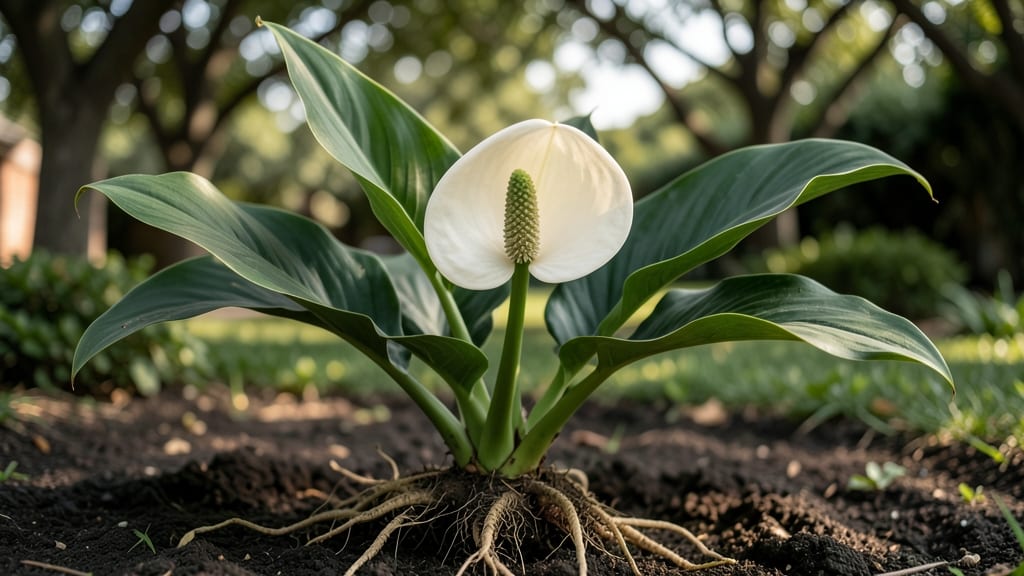
Calla lilies don't have bulbs—they grow from thick, fleshy rhizomes that store nutrients underground, allowing them to regenerate yearly with proper care and seasonal dormancy.
These underground stems function like storage tanks, packing away energy for spring growth after their winter rest. 🌱 Unlike bulbs, which have layered scales, calla rhizomes spread horizontally, producing new shoots along their length.
I've found that dividing these rhizomes every few years actually boosts flower production—just be gentle when handling them, as they bruise easily.
What makes this growth habit unique is how they handle dormancy. During winter, the rhizomes shrink and go dormant, but with proper soil protection (like mulch), they'll wake up stronger in spring. Many gardeners mistakenly treat them like bulbs, digging them up each year—which can actually harm their recovery.
💡 In This Article
- How Calla Lily Rhizomes Work as Storage Organs
- Caring for Calla Lily Rhizomes: Planting and Overwintering Tips
How calla lily rhizomes work as storage organs
Calla lilies rely on thick, fleshy rhizomes—horizontal underground stems—that serve as nature's energy banks. These structures store carbohydrates, proteins, and water, much like how a bulb stores nutrients in its layers.
However, unlike bulbs (like tulips or daffodils), calla rhizomes don't have protective scales. Instead, they develop nodular growths along their length where new shoots emerge. 🌱
The rhizome's unique texture is almost rubbery when fresh, with a diameter of 1-2 inches and a length that can stretch up to 12 inches in mature plants. Inside, you'll find a complex network of vascular bundles that transport nutrients between the plant's aerial parts and its underground storage system.
This design allows calla lilies to survive drought and cold by tapping into their reserves during dormancy.
Seasonal changes trigger dramatic transformations in these rhizomes. In spring, they swell as they absorb moisture and nutrients, preparing for new growth. By summer, they've produced flowers and foliage, depleting their reserves. During autumn, the above-ground parts die back, and the rhizomes shrink—sometimes by 50%—as they enter dormancy.
This cycle repeats annually, with proper care ensuring the rhizomes never fully exhaust their energy stores.
What sets calla rhizomes apart is their horizontal growth pattern. As they mature, they spread outward, producing new shoots at nodes along their length. This is why dividing mature clumps every 3-4 years improves flower production—each section contains its own energy reserves.
The rhizomes also develop fibrous roots along their underside, anchoring the plant while absorbing additional nutrients.
Botanically, these rhizomes belong to the Zantedeschia genus, which includes both the classic white calla lily and its colorful relatives. Their storage capacity is impressive—some mature rhizomes can weigh up to 1 pound—enough to support multiple flowering spikes.
This makes them far more resilient than true bulbs, which rely on layered scales for storage and are more susceptible to rot when overwatered.
Here's what happens when you examine a rhizome closely: The outer surface is typically brownish-gray with visible nodes where shoots emerge, while the interior has a pale cream or light tan color. The texture is dense but slightly spongy, allowing it to absorb and retain moisture efficiently.
This structure explains why calla lilies thrive in humid, well-draining soils—their rhizomes can handle occasional moisture without the risk of rot that plagues bulb-based plants.