
Flowers
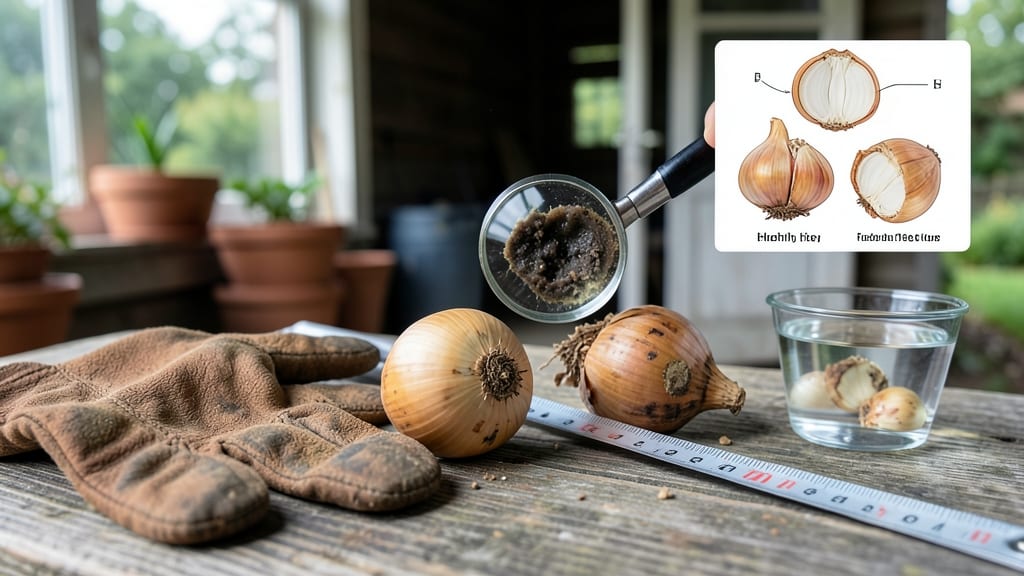
Flower bulbs do go bad over time, especially when stored improperly, with most lasting 1-3 years depending on variety and conditions. Look for signs like soft spots, mold, or unpleasant smells before planting.
This happens because bulbs are living organisms that gradually dry out or develop rot from moisture exposure. 🌱 The good news? Proper storage in a cool, dark place with good airflow can extend their shelf life significantly.
I've learned that tulip bulbs, for example, often last just 1-2 years, while daffodils can sometimes survive 3-4 years if kept dry and protected from freezing. The key is catching spoilage early—those soft spots or musty odors mean it's time to compost rather than plant.
What many gardeners overlook is how temperature swings affect bulb quality. Bulbs stored in damp basements or garages with poor ventilation will spoil much faster than those kept in a well-ventilated cardboard box in a garage or shed.
I always recommend checking your storage area's humidity levels—ideally, it should stay below 40% to prevent mold growth. That small detail makes a huge difference in keeping your bulbs viable for next season's blooms.
💡 In This Article
- How to Identify Spoiled Flower Bulbs Before Planting
- Best Storage Practices to Extend Flower Bulb Lifespan
How to identify spoiled flower bulbs before planting
Flower bulbs degrade through a combination of biological processes and environmental stress. The most obvious sign of spoilage is physical deterioration: bulbs should feel firm to the touch, like a small potato.
When they soften or develop mushy spots, that's a clear indication of fungal or bacterial rot breaking down the internal tissue. 🌱 The culprit is often excess moisture, which triggers microbial growth—think of it like how an apple left in a bag turns mushy.
Even a single damp bulb in storage can spread rot to its neighbors through airborne spores.
Visual changes also reveal a bulb's condition. Healthy bulbs have smooth, unbroken skin with no signs of sprouting (unless you're intentionally forcing them indoors). Discoloration—especially dark, fuzzy mold or grayish-green patches—means the bulb is compromised.
For example, tulip bulbs that develop a pinkish hue are often infected with Tulip Fire, a fungal disease that spreads rapidly. The scent is another critical clue: a musty, sour, or fermented odor signals decomposition, while fresh bulbs should smell earthy and clean.
Temperature extremes accelerate spoilage in different ways. Freezing damages cell structures, causing bulbs to become waterlogged and prone to rot, while excessive heat (above 75°F) speeds up metabolic processes that deplete stored nutrients.
That's why storing bulbs in a basement during summer heat can be just as harmful as leaving them in a damp garage. The ideal storage temperature ranges between 35-50°F, mimicking the natural dormancy conditions bulbs experience underground.
Here's what to watch for when inspecting bulbs:
- Texture: Press a fingernail into the bulb—if it leaves a dent, it's too soft and likely spoiled
- Sprouts: While some sprouting is normal, excessive growth (especially green shoots) means the bulb has already begun its life cycle
- Skin integrity: Cracks or holes provide entry points for pathogens, even if the interior looks fine
- Weight: Healthy bulbs feel substantial for their size—lightweight bulbs have lost moisture and nutrients
Even seemingly intact bulbs can harbor hidden problems. Some varieties, like hyacinths, are particularly prone to internal rot that only becomes visible when you cut into them. That's why I always recommend testing a few bulbs from each package before committing to full planting.
The few minutes spent checking now can save hours of frustration later when your garden fails to bloom as expected.
What most gardeners don't realize is how quickly spoilage can spread silently. A single infected bulb in a mesh bag can contaminate dozens of others through airborne spores or physical contact.
That's why I've made it a habit to quarantine new bulbs for 2-3 weeks in a separate container before mixing them with existing stock. This simple precaution has saved me from losing entire collections to unseen pathogens.