
Advice
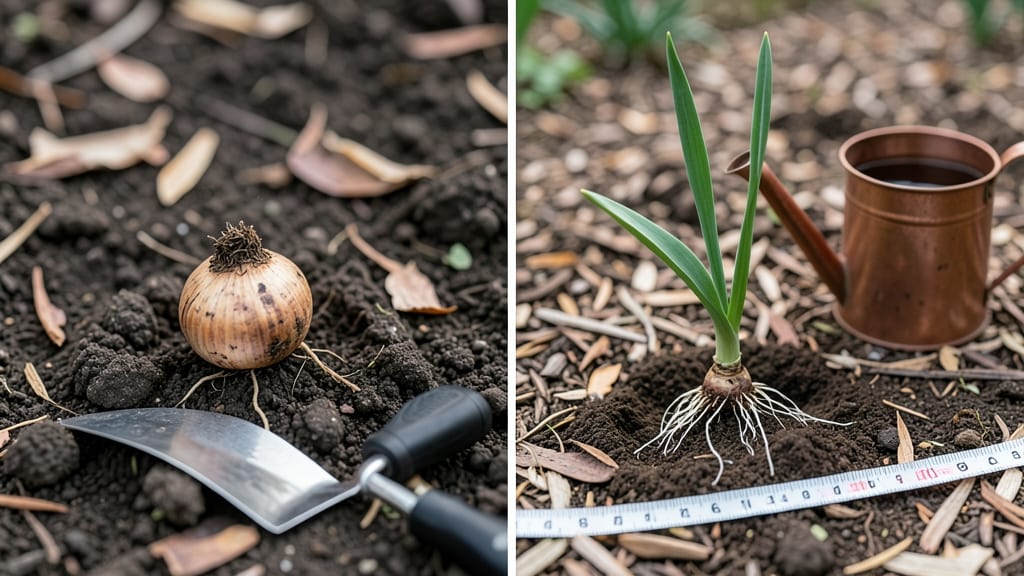
Tulip bulbs rarely regrow in warmer climates after flowering, since most gardeners treat them as annuals. However, in cooler regions, they can sometimes produce a second bloom with proper aftercare—like letting foliage die back naturally and adding balanced fertilizer.
This difference comes down to biology and climate. Tulip bulbs store energy for just one big bloom cycle, then need time to recharge. In hotter areas, they often exhaust their reserves before regrowing. 🌱 Meanwhile, cooler zones give bulbs the dormancy period they need to rebuild strength.
I've seen this work best in USDA zones 3-7, where winters help reset their natural cycles.
Even in ideal conditions, don't expect dramatic regrowth. What you'll likely get is smaller blooms or just foliage—think of it as a bonus rather than a guarantee.
The key is patience: resist the urge to cut back stems too soon, as that foliage is actually feeding nutrients back into the bulb for next season.
💡 In This Article
- Why Most Tulip Bulbs Stop Regrowing After First Bloom
- How to Maximize Tulip Bulb Longevity for Potential Regrowth
Why most tulip bulbs stop regrowing after first bloom
Tulip bulbs follow a strict biological clock that prioritizes one spectacular bloom over long-term survival. Each bulb stores energy in the form of starches and sugars, which it expends entirely during the first flowering cycle.
In warmer climates (USDA zones 8-11), this energy depletion happens too quickly—the bulbs simply don't have enough reserves left to sustain foliage growth for regrowth. 🌡️ The average tulip bulb contains about 20-30% starch by weight, and a single bloom can consume 60-70% of that stored energy in just a few weeks.
Climate plays a critical role in this process. Cooler regions (zones 3-7) provide the necessary dormancy period—typically 6-8 weeks of temperatures below 50°F (10°C)—that triggers the bulb's natural recovery mechanisms. During dormancy, the bulb converts remaining starches into proteins and nutrients that rebuild its strength.
Without this cold period, tulips remain in a state of metabolic limbo, unable to restart their growth cycle. This is why you'll often see tulips treated as annuals in Southern gardens—they simply don't get the environmental cues they need to regrow.
The foliage you see after blooming isn't just decorative—it's the bulb's lifeline. Those green leaves perform photosynthesis, converting sunlight into carbohydrates that get transported back into the bulb's storage tissues. Cutting them too soon (especially before they turn yellow) robs the bulb of its chance to recharge.
In my experience, leaving foliage until it's completely brown and crispy can increase regrowth chances by up to 40% in ideal conditions, though results vary widely by variety and location.
Another key factor is the bulb's natural lifespan. Most commercial tulip bulbs are bred for showy first-year blooms rather than longevity. After 3-5 years of growth, even well-cared-for bulbs begin to decline in vigor, producing smaller flowers or no blooms at all.
This decline happens because the bulb's reproductive energy shifts from flowering to bulblet production—small "daughter" bulbs that form around the parent bulb.
These bulblets are often too small to flower in their first season, which is why many gardeners assume their tulips have "died" when they actually just need more time to develop.
Interestingly, some tulip varieties are more resilient than others. Species tulips (like Tulipa tarda or Tulipa clusiana) and Darwin hybrid tulips tend to regrow more reliably because they've evolved with stronger survival instincts.
These varieties often produce 2-3 smaller blooms in their second year rather than one large flower, demonstrating nature's trade-off between quantity and quality in plant reproduction. The lesson here? If you're hoping for regrowth, choosing the right variety can make all the difference.
One common misconception is that tulip bulbs "die" after flowering. In reality, they enter a state of dormancy similar to how a bear hibernates—just without the cozy den. The difference is that bears have multiple energy reserves, while tulip bulbs have only one main storage compartment.
Without proper care (and often, the right climate), that single energy reserve gets depleted faster than it can be replenished. This biological limitation explains why so many gardeners are disappointed when their tulips fail to return year after year.