
Blooming
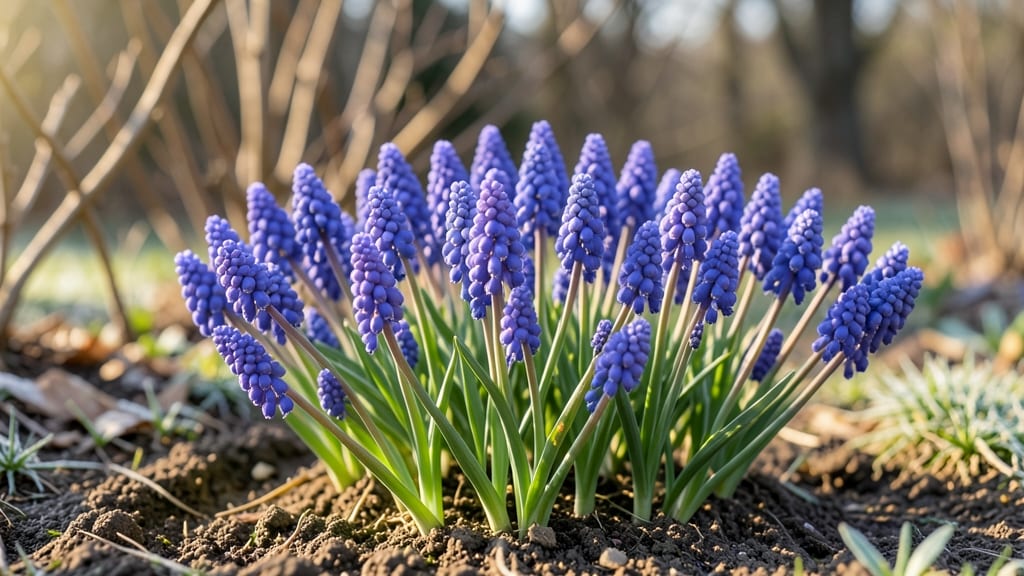
Tired of waiting months for spring blooms? These 10 earliest-blooming bulbs bring vibrant color to your garden as soon as the ground thaws, often before snow melts completely. Perfect for impatient gardeners and early-season pollinators alike.
Crocus Vernus: Harbinger of Spring
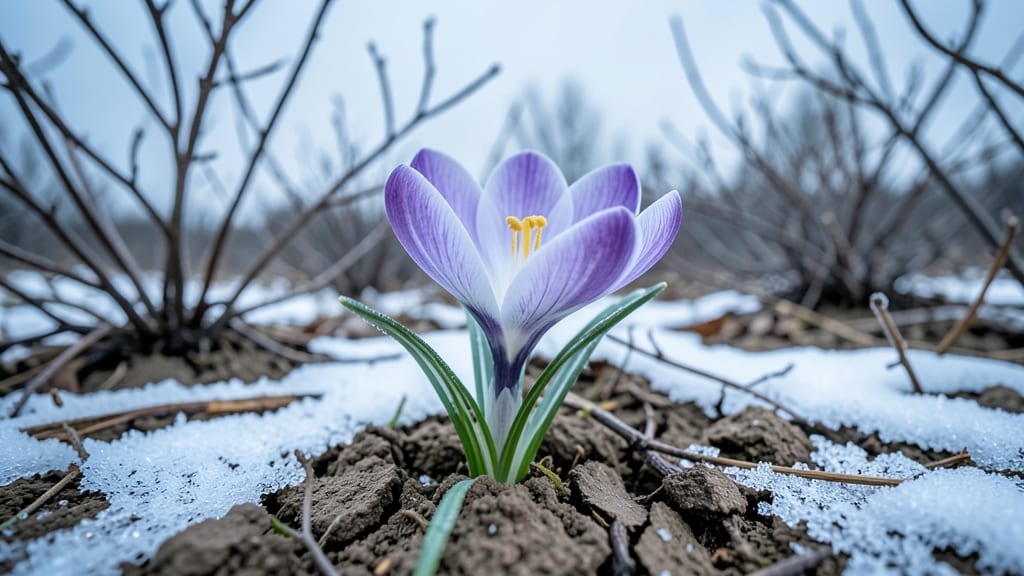
When the world still looks like winter, Crocus verus emerges as the first true herald of spring, often blooming through snow with its delicate purple or white flowers. These tiny but mighty blooms are a lifeline for early bees, offering critical nutrition when little else is available.
Plant these bulbs in fall under deciduous trees where grass struggles to grow—ideal for naturalizing into meadow-like spaces. They thrive in well-drained soil and full sun to partial shade, making them perfect for low-maintenance gardens. The secret to their early bloom? Plant bulbs shallowly (2-3 inches deep) and in clusters for maximum impact.
Perfect for gardeners who want instant spring color with minimal effort, Crocus verus multiplies over time, creating a stunning carpet of blooms year after year. 🌱
Snowdrops Galanthus Nivalis: Winter's Last Gift
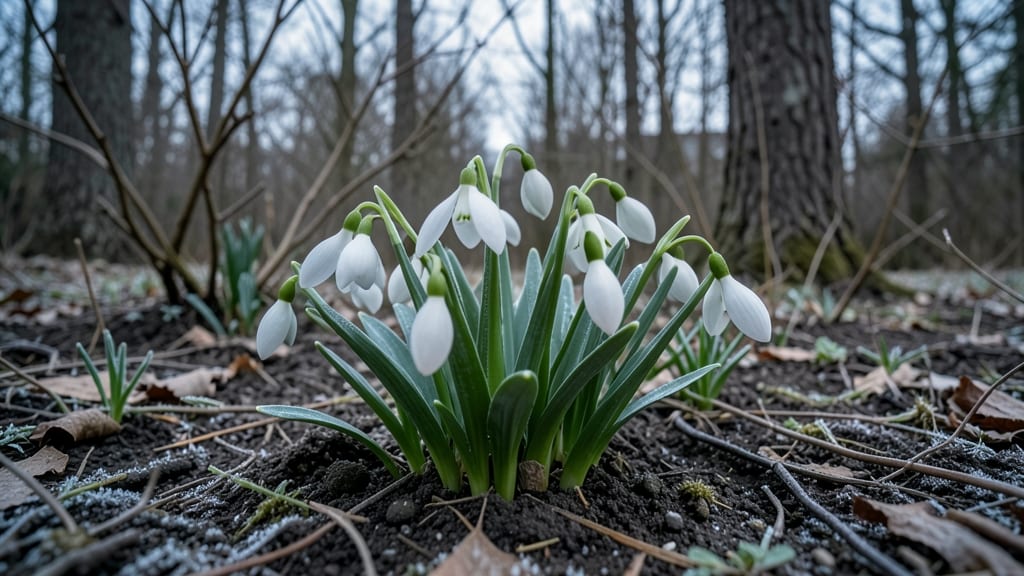
When winter feels endless and your garden is a blank canvas, **snowdrops (Galanthus nivalis) emerge like tiny messengers of hope. These delicate white bells defy the cold, often blooming through light snow or in late winter when most plants remain dormant.
Plant them in shady woodland gardens or under trees where they thrive in moist, well-drained soil with partial to full shade. Their naturalizing habit means they’ll multiply over time, creating lush drifts of blooms that appear before spring bulbs like daffodils. They’re also deer-resistant, making them ideal for rural gardens.
Perfect for beginners or gardeners with limited sun, snowdrops add ethereal beauty** to early-season landscapes. Their early blooms signal that spring is on the way—without requiring much effort from you. 💚
Winter Aconite Eranthis Hyemalis: Golden Winter Sun
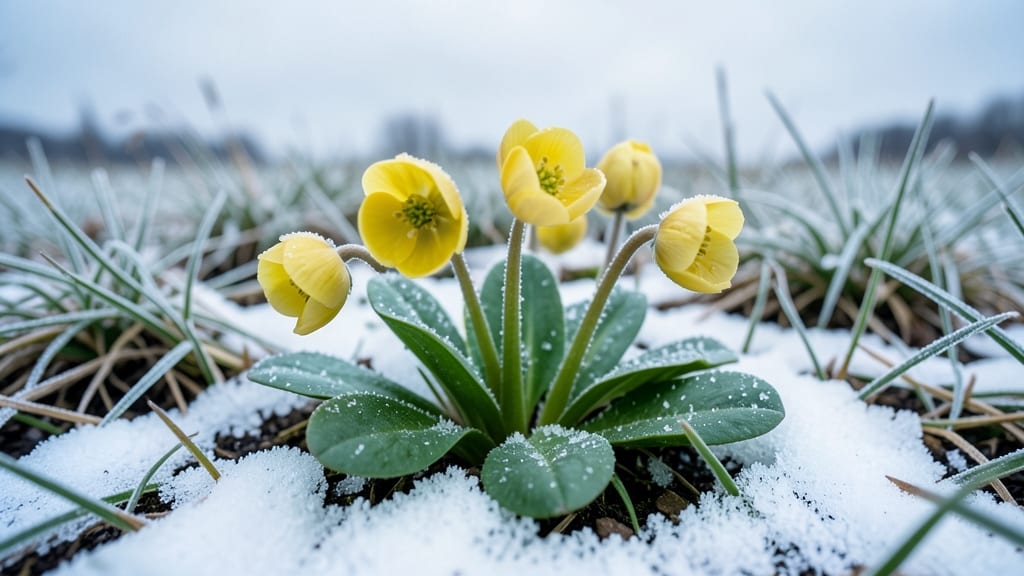
When the world is still blanketed in snow, Winter Aconite (Eranthis hyemalis) emerges as a bold burst of sunshine, proving that spring isn't far away. These cheerful yellow blooms appear as early as February or March, often pushing through snow to create a stunning golden contrast against winter's muted tones.
Unlike many early bloomers, Winter Aconite thrives in moist but well-drained soil and prefers partial shade, making it perfect for woodland edges or under deciduous trees. Its unique cup-shaped flowers grow on delicate stems, creating naturalizing drifts when planted in groups. The bulbs are also deer-resistant, making them a low-maintenance choice for problem areas.
This bulb is ideal for gardeners who want to extend their season's color without the fuss of traditional spring bulbs. Once established, Winter Aconite will spread gradually, creating those coveted golden patches that brighten even the gloomiest winter days. 🌻
Glory-of-the-Snow Chionodoxa Luciliae: Blue Winter Jewels
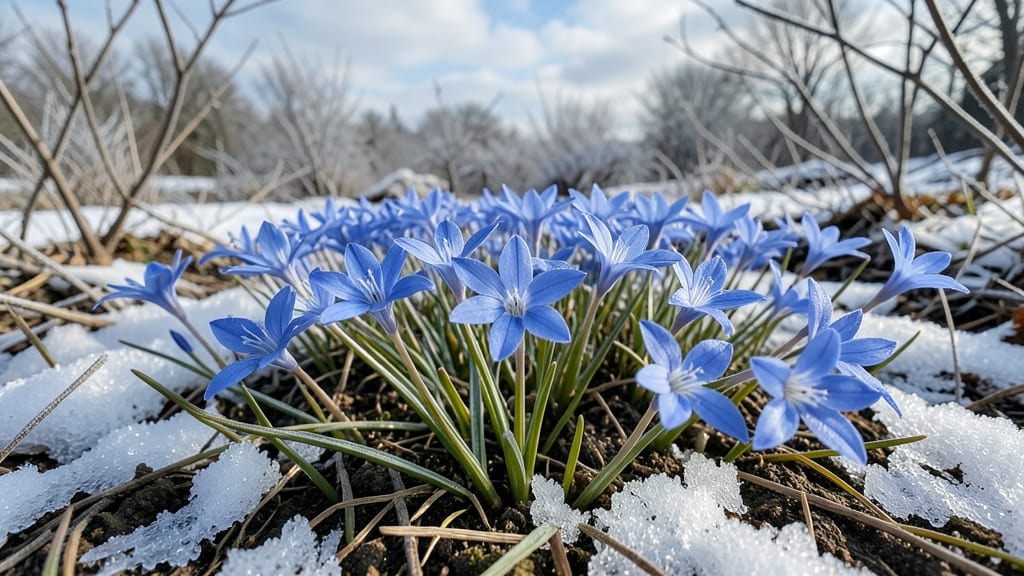
When you crave a splash of color in the bleakest winter months, Glory-of-the-Snow (Chionodoxa luciliae) delivers a dazzling blue surprise. These delicate star-shaped blooms push through snow as early as February, turning even the coldest garden into a winter wonderland with their vibrant hue.
Perfect for container gardens or rockeries, these bulbs thrive in full sun to partial shade and handle frost like a champ. Plant them in well-drained soil, and they'll reward you with cheerful blooms year after year. Their compact size makes them ideal for small spaces or as edging plants.
Urban gardeners and small-space enthusiasts will love how these bulbs bring early color without taking up much room. Pair them with snowdrops for a striking winter contrast! ✨
Dwarf Iris Iris Histrioides: Early Purple Delight
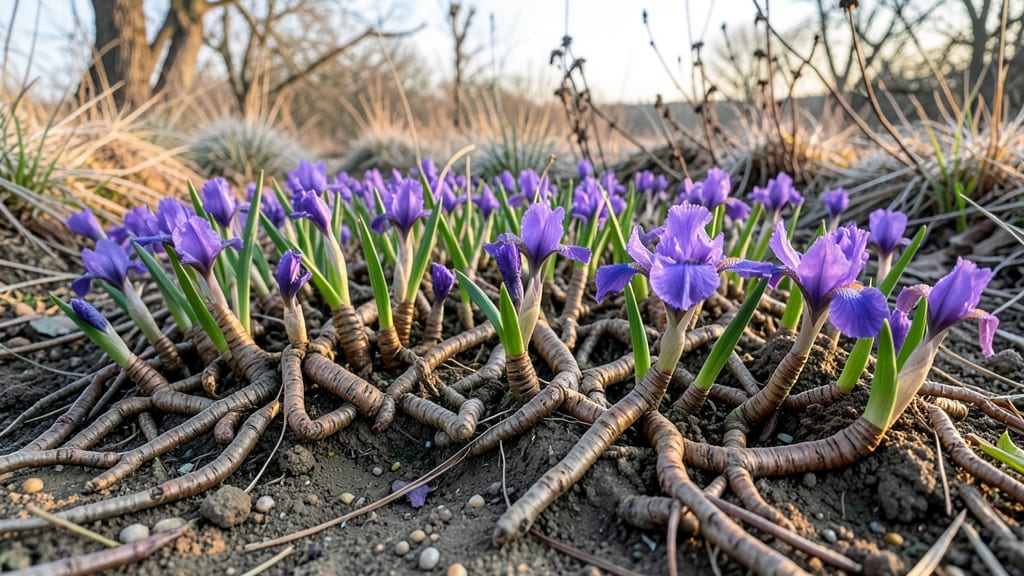
If you crave color before spring officially arrives, dwarf iris (Iris histrioides) delivers with its tiny purple blooms that pop through late-winter soil. Unlike other early bloomers, these irises spread aggressively, forming lush colonies that outshine most spring ephemerals.
Plant the rhizomes in fall in full sun with well-drained soil—avoid soggy spots to prevent rot. Their yellow-bearded flowers (1-2 inches wide) appear February-March, drawing early bees when little else is blooming. Perfect for sunny borders, prairie gardens, or even container edges where their clumping habit creates instant drama.
This iris thrives where others fail—urban gardens, dry slopes, or pollinator-friendly meadows—and multiplies yearly. For gardeners who want low-maintenance early color without fuss, this is your secret weapon. 💚
Scilla Siberica: Blue Spring Carpet
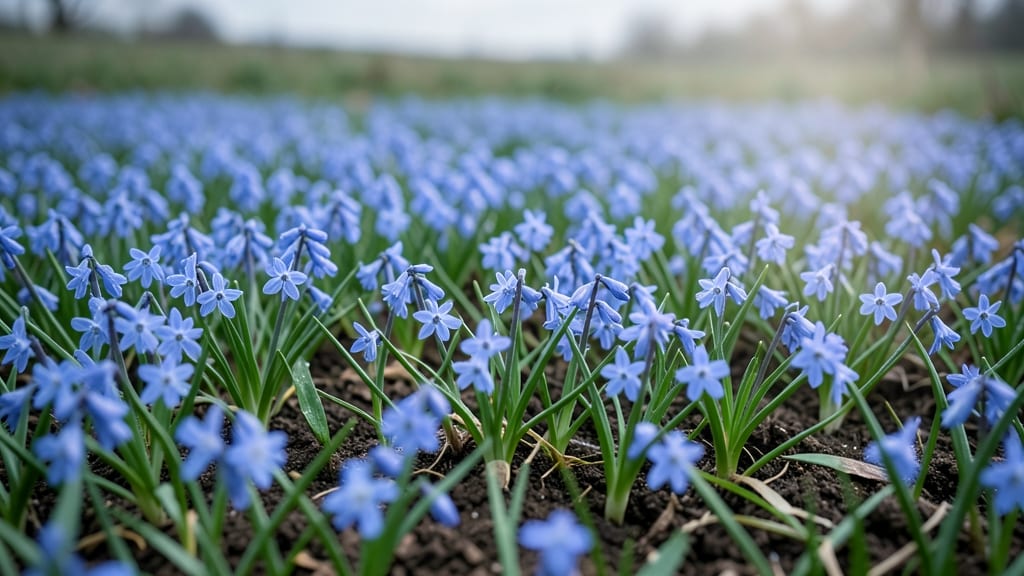
Want to transform dull lawn patches into a vibrant blue carpet by early spring? Scilla siberica delivers exactly that—dense clusters of sky-blue flowers that emerge as soon as the ground thaws. Unlike other early bloomers, this bulb thrives in moist but well-drained soil, making it ideal for naturalizing in lawns or under deciduous trees.
Plant the bulbs in fall at a depth of 3 inches, spacing them 3-4 inches apart. They’ll self-seed reliably, creating a low-maintenance ground cover that spreads over time. The 6-inch height ensures they won’t compete with taller perennials, while their March-April bloom time bridges the gap between winter aconites and spring daffodils.
Perfect for urban gardens or shaded borders, Scilla siberica brings effortless color where other plants struggle. Early pollinators will thank you too! 🌿
Leucojum Vernum: Snowflake for Early Gardens
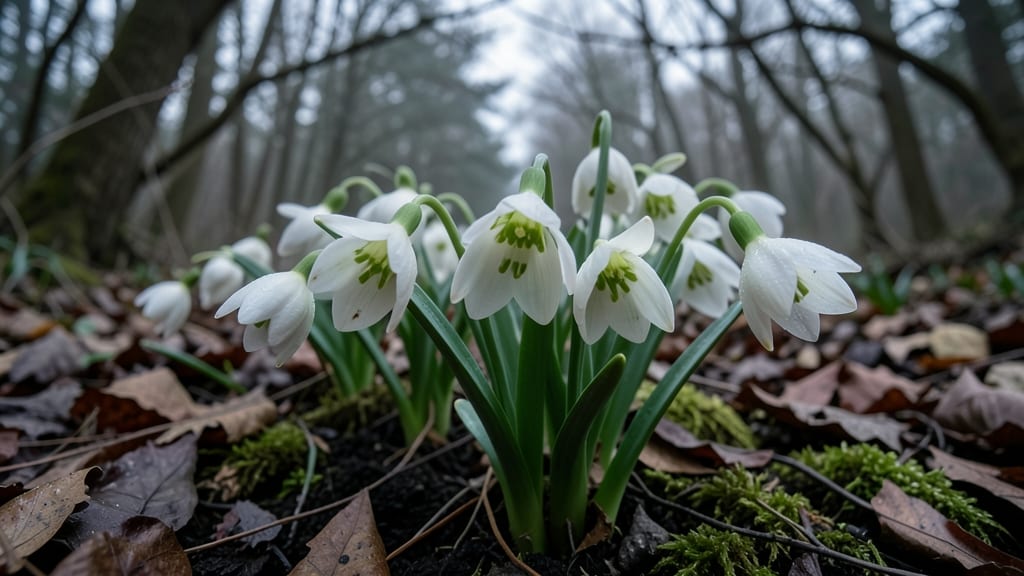
When your garden feels like a winter wasteland, Leucojum vernum—commonly called snowflake—emerges as a delicate surprise, blooming in late winter with its white bell-shaped flowers and striking green centers. Unlike many early bulbs that need full sun, this shade-lover thrives in moist, wooded areas, making it perfect for underplanting shrubs like azaleas or rhododendrons.
Plant the bulbs in fall (6-8 weeks before frost) in well-drained but consistently moist soil, mimicking their natural woodland habitat. They multiply slowly over time, creating naturalized drifts that bloom earlier than most spring bulbs—often by February or March, depending on your climate. The unique green-tipped petals add a whimsical touch that pollinators adore, making it a standout for pollinator-friendly gardens.
This bulb is ideal for gardeners with shady, damp spots who want early color without the fuss of full-sun bulbs. It’s also a great choice for woodland-style gardens or as a low-maintenance understory plant that brightens dark corners before spring arrives. 🌿
Puschkinia Scilloides: Star of Persian Carpet
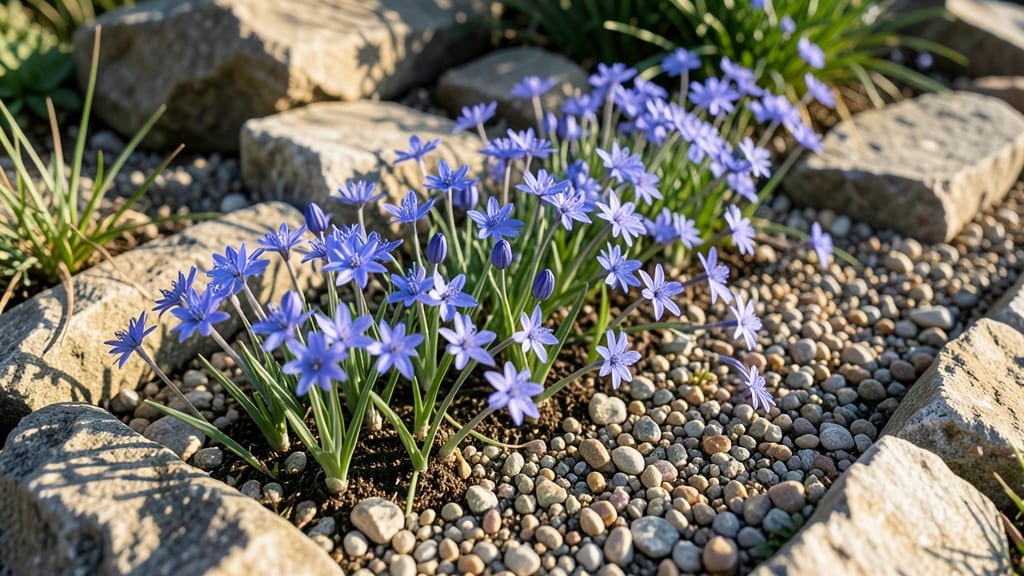
If you love the look of a Persian carpet in your garden but want something low-maintenance, Puschkinia scilloides delivers with its delicate, star-shaped blue blooms that appear in early spring. This bulb thrives where other plants struggle, making it a standout for rock gardens or alpine collections.
Plant these bulbs in well-drained soil with full sun to partial shade, and they’ll reward you with dense clusters of flowers that resemble tiny stars. Unlike some early bloomers, Puschkinia scilloides tolerates both dry conditions and light frost, making it ideal for urban gardens or containers where space is limited.
Perfect for beginners or gardeners with limited room, this bulb adds a touch of elegance without demanding constant care. 🌿
Chionodoxa Forbessii: Giant Star of Spring
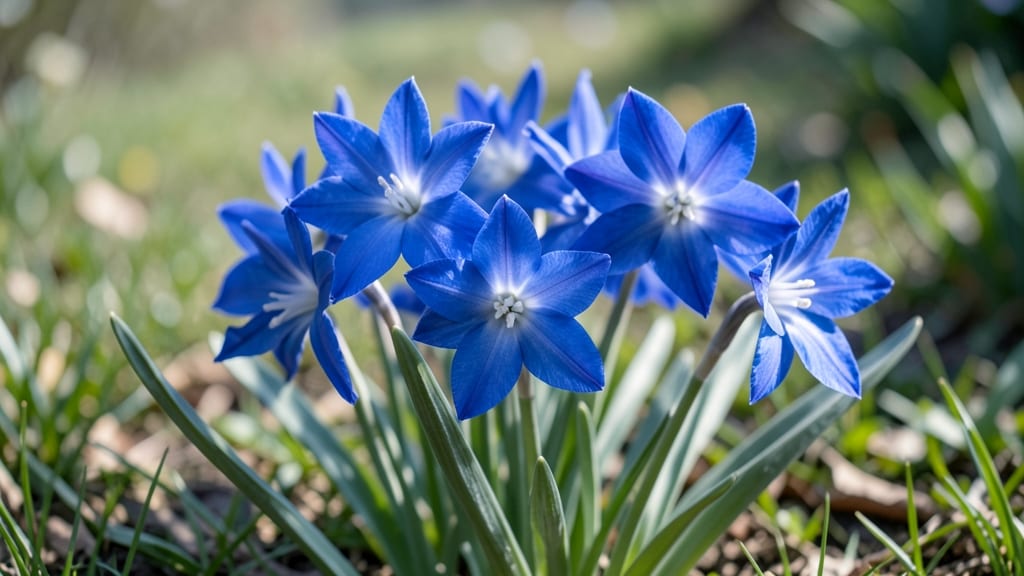
When you crave bold blue blooms that outshine other early spring stars, Chionodoxa Forbessii delivers with its oversized, star-shaped flowers that appear weeks before most garden centers even stock tulips. These aren't your average tiny blossoms—they're the showstoppers of the Greek grape hyacinth family, with each flower reaching nearly an inch across.
Plant these bulbs in well-drained soil with full sun exposure for maximum impact, and watch them naturalize beautifully in sunny borders. The secret to their longevity? They thrive in dry conditions once established, making them perfect for rock gardens or along pathways where moisture can be tricky. For florists and gardeners alike, their long stems make them ideal cut flowers—arrange them in vases to bring that fresh spring color indoors.
Perfect for gardeners who want drama without fuss, these bulbs multiply over time, creating stunning blue carpets that last for years. 🌟
Muscari Armenum: Grape Hyacinth for Early Color

If you love compact, low-maintenance bulbs that pack a punch, Muscari armenum (grape hyacinth) is your answer. These tiny but mighty blooms deliver vibrant purple-blue spikes in early spring, often when other gardens are still bare. Their unique grape-like clusters add texture and contrast to any space.
Perfect for containers, rockeries, or small borders, grape hyacinths thrive in full sun to partial shade and handle drought like a pro. Plant bulbs 3-4 inches deep in well-drained soil, and they’ll multiply over time, creating lush colonies. Their early bloom time (March-April) makes them ideal for extending your garden’s color palette before summer favorites take over.
Urban gardeners and beginners will appreciate their hardy nature—they’re deer-resistant and require minimal care once established. Add them to your early-season lineup for a burst of cheerful color that’s as easy to grow as it is stunning. 💚