
Planting
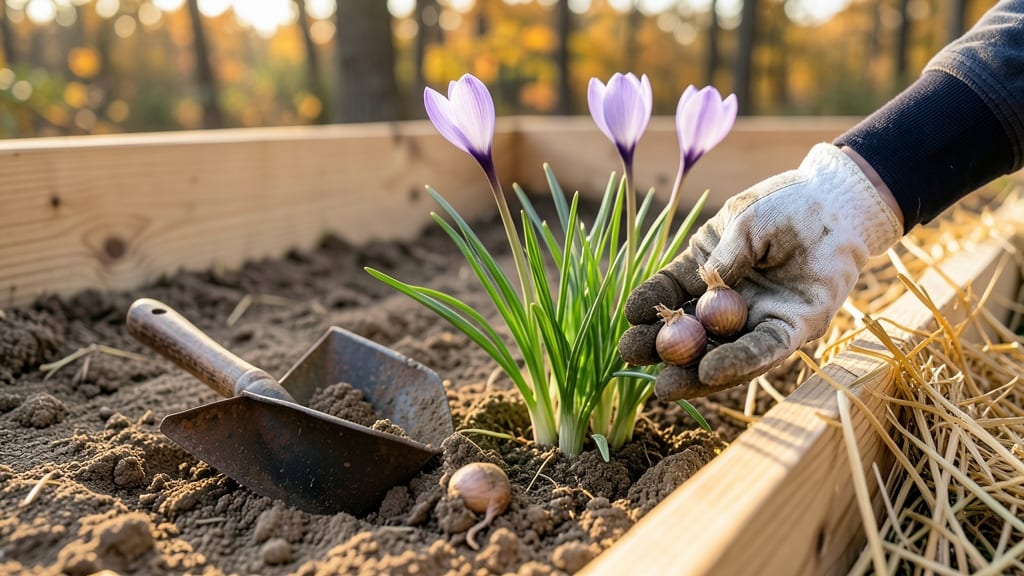
Planting fall crocus bulbs in late summer unlocks purple, white, or striped blooms that punch through snow and frost—something spring-planted bulbs can’t match. 🌱 I’ve watched mine emerge in January when most gardens are still asleep, their delicate petals a defiant splash of color against the gray.
These hardy bulbs thrive when planted 6-8 weeks before your first frost, giving roots time to establish before winter’s chill sets in.
The secret to their resilience lies in timing and soil prep. In USDA zones 3-9, aim for September or early October—too early, and they’ll sprout too soon; too late, and they won’t root deeply enough.
Loosen the soil to 6-8 inches deep, mix in compost, and plant bulbs 3-4 inches apart, with the pointed end up. Unlike tulips or daffodils, crocuses don’t mind poor soil—they’ll still bloom, though richer soil means bigger, bolder flowers.
By spring, you’ll have weeks of cheerful blooms before other bulbs even think about waking up. The trade-off? They’re not perennial like daffodils—they multiply over time but may fade after 3-5 years.
Still, their early-season show and frost tolerance make them worth the temporary commitment. Plus, they’re deer-resistant, so you won’t lose them to hungry critters.
For best results, plant in clusters under trees or along driveways where their tiny blooms won’t get lost. In colder zones, a light mulch after planting helps insulate the soil.
And here’s the kicker: they self-seed, so over time, you’ll get surprise blooms in unexpected spots. No digging, no fuss—just nature’s own springtime surprise.
📚 In This Guide
- What you need
- Instructions
- Tips and common mistakes
- Wrapping up and next steps
What you need
- ● Fall crocus bulbs: 10–50 bulbs (depending on desired coverage; choose varieties like Crocus vernus or Crocus tommasinianus for frost resistance).
- ● Well-draining soil: Loamy or sandy soil (amend heavy clay with 1–2 inches of compost or perlite).
- ● Garden trowel or bulb planter: Sharp, sturdy tool for digging holes (6-inch depth recommended).
- ○ Bone meal or bulb fertilizer: 1 tbsp per 10 bulbs (optional but boosts early growth).
- ○ Mulch (optional but helpful): 2–3 inches of straw or shredded leaves to protect bulbs in harsh winters.
- ● Gloves: Garden gloves to protect hands from soil and sharp bulb edges.
- ● Watering can or hose with gentle spray: Avoid overwatering—bulbs need moisture but hate soggy soil.
- ● Measuring tape or ruler: Ensures bulbs are planted at the correct 3x depth (e.g., 3-inch-deep holes for 1-inch bulbs).
- ○ Label markers (optional): If planting multiple varieties, use biodegradable labels to track blooms.
- ● Timing: Plant bulbs 6–8 weeks before the first hard frost (typically September–October in most U.S. zones).
- ● Location: Full sun to partial shade (morning sun is ideal to prevent wilting).
- ● Soil prep: Test soil pH (ideal: 6.0–7.0); amend if needed with lime or sulfur.
Step-by-step guide to planting fall crocus bulbs
Here’s how to plant these hardy beauties for reliable early spring color—no fuss, just reliable blooms.
🪴 Step 1: Choose and Prepare the Planting Site
Crocus thrives in full sun to partial shade and well-draining soil. I always pick a spot with at least 6 hours of sunlight daily—they’ll reward you with cheerful blooms even in chilly weather. If your soil drains poorly, mix in 1-2 inches of coarse sand or perlite per square foot to prevent rot.
Loosen the soil to a depth of 6 inches with a garden fork or tiller. Break up any compacted layers so roots can spread easily. The key here is drainage—crocus bulbs rot quickly if left soggy. If planting in containers, use a lightweight potting mix with added perlite or pumice.
🌱 Step 2: Plant Bulbs at the Right Depth and Spacing
Plant crocus bulbs 3 inches deep and 3-4 inches apart—they’re small but pack a punch. I like to use a bulb planter for precision, but a trowel works fine. Place the pointed end upward (yes, they have one—it’s where the roots will grow). If planting in groups, space clusters 6 inches apart for a natural look.
Don’t worry about overcrowding—crocus multiplies over time. After planting, water deeply to settle the soil around the bulbs. The goal is to moisten the soil without displacing them. A light mulch of 1 inch of straw or shredded leaves helps retain moisture and insulate the bulbs through winter.
☀️ Step 3: Establish and Winterize for Spring Blooms
Once planted, water occasionally until the ground freezes—about once every 2 weeks unless rain falls. Crocus needs moisture to root but hates soggy soil. After the first hard frost, let nature take over. The cold period stratifies the bulbs, ensuring vibrant blooms next spring.
In late winter (around February), you’ll see shoots pushing through the soil. This is your cue to stop fertilizing—crocus draws nutrients from the soil, not added feed. If squirrels or deer are a problem, cover the area with wire mesh after planting to deter digging.
⏰ Step 4: Maintain and Enjoy Year After Year
After blooming, let the foliage die back naturally—it feeds the bulb for next year’s flowers. I never cut it until it turns yellow and withers. In late spring, add a light layer of compost (¼ inch) around the plants to replenish nutrients without smothering them.
Crocus is drought-tolerant once established, so water only during prolonged dry spells. Over time, you’ll get more blooms as the colony spreads. If flowers fade before opening, it’s usually due to too much shade—move them to a sunnier spot next fall.
Tips & tricks for perfect fall crocus planting
Took me years to learn these tricks—now your crocus will thrive like a pro's garden. Here's how to avoid the pitfalls I faced.
Soil Science: The 6 hours of sunlight mentioned is non-negotiable, but soil prep makes all the difference. I've seen crocus rot in "well-draining" soil that still held moisture—test your spot by digging a hole, filling it with water, and checking if it drains within 30 minutes. If not, you're not ready yet. For containers, mix equal parts potting soil and perlite to create that perfect airy environment crocus craves.
Planting Precision: That 3-inch depth is critical, but orientation matters just as much. The pointed end should face up—it's where the roots develop. I use a pencil to mark the depth before planting, which prevents over-deepening. For groups, create a grid pattern with your trowel to maintain that 3-4 inch spacing without guessing. Overcrowding now means fewer blooms later.
Winter Prep Strategy: The 1-inch mulch recommendation is perfect, but here's what nobody tells you—use a breathable mulch like straw, not dense bark. Bark can suffocate emerging shoots in spring. Also, if you're in a particularly cold climate, add an extra 2 inches of mulch around the planting area after the first frost to create that insulating blanket crocus needs for winter survival.
Post-Bloom Secret: When foliage turns yellow and withers, resist the urge to cut it immediately. Leave it for 4-6 weeks to fully decompose back into the soil—this is how crocus builds energy for next year's flowers. I mark planting locations with small flags so I remember where they are when the foliage disappears.
Pro Tips for Fall Crocus Bulbs
- Took me years to learn these tricks—now your crocus will thrive like a pro's garden.
- Soil Science: The 6 hours of sunlight mentioned is non-negotiable, but soil prep makes all the difference.
- Planting Precision: That 3-inch depth is critical, but orientation matters just as much.
Frequently asked questions
Got questions about planting and caring for fall crocus bulbs? You’re not alone! Here are some of the most common queries—and their answers—to help you grow these early bloomers with confidence.
When is the best time to plant fall crocus bulbs?
Plant them 4 to 6 weeks before the first hard frost—typically in September or October in most U.S. zones. Bulbs need time to establish roots before winter, but they thrive in cold soil. If you miss the window, wait until early spring instead!
Can fall crocus survive a late frost?
These bulbs are frost-resistant champions and often bloom through snow. Their tough outer coats protect them from early chills. Just ensure they’re planted in well-draining soil to prevent rot if heavy rain follows frost.
Do fall crocus bulbs need sunlight?
They prefer full sun to partial shade (4–6 hours of sunlight daily). While they can tolerate shadier spots, too much shade may delay blooming. A spot near a tree’s dappled light works well—just avoid soggy areas.
What if my crocus bulbs don’t bloom?
Common culprits include too much shade, overcrowded bulbs, or poor soil. Dig up and separate bulbs if clustered, or amend soil with compost. Patience helps too—some bulbs take 2–3 years to bloom reliably after planting!
Can I plant fall crocus in containers?
Yes! Use a well-draining container with holes and plant bulbs close together (2–3 inches apart). Overwinter containers in a sheltered spot (like a garage) or mulch heavily. Drain excess water in winter to prevent rot.
Still stumped? Drop your question below—we’re happy to help your crocus garden thrive!
Wrapping up and next steps
Fall crocus bulbs are your secret weapon for early-season color—hardy, cheerful, and ready to brave the first frost! 🌱 With the right soil, timing, and care, you’ll enjoy vibrant blooms that brighten even the dreariest winter days.
Whether you’re a beginner or a seasoned gardener, these resilient beauties make planting a rewarding (and easy!) project.
Ready to transform your garden? Grab those bulbs, mark your calendar for late September or October, and get planting—your future spring will thank you! 🌸 For extra tips, check out our planting guide or join a gardening community to share your progress.