
Planting
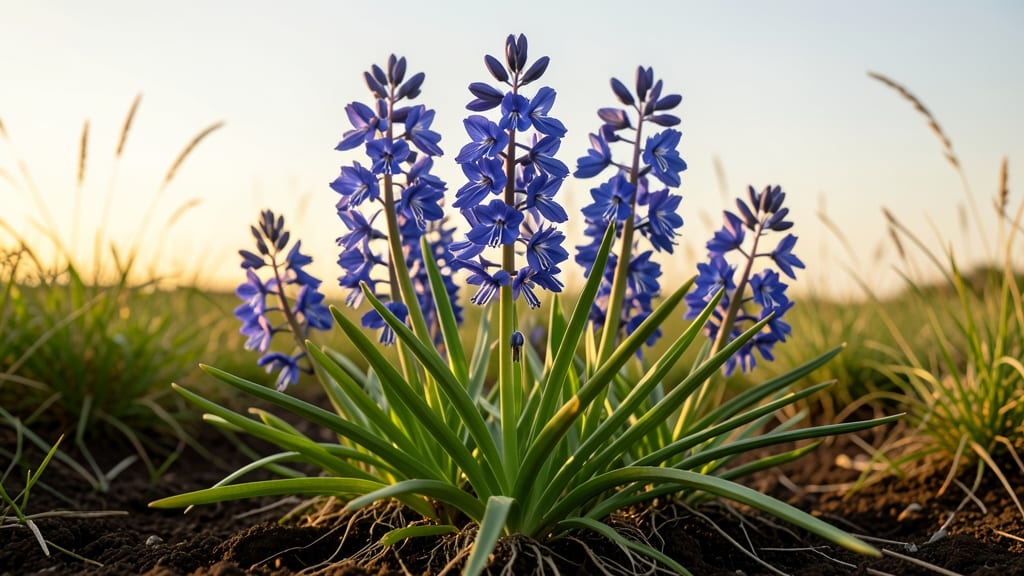
Want a garden that blooms effortlessly from early spring to late fall? These ten fall-planted bulbs deliver stunning, low-maintenance color with minimal care once established—perfect for busy gardeners who still crave beauty.
Daffodils for Reliable Early Spring Color
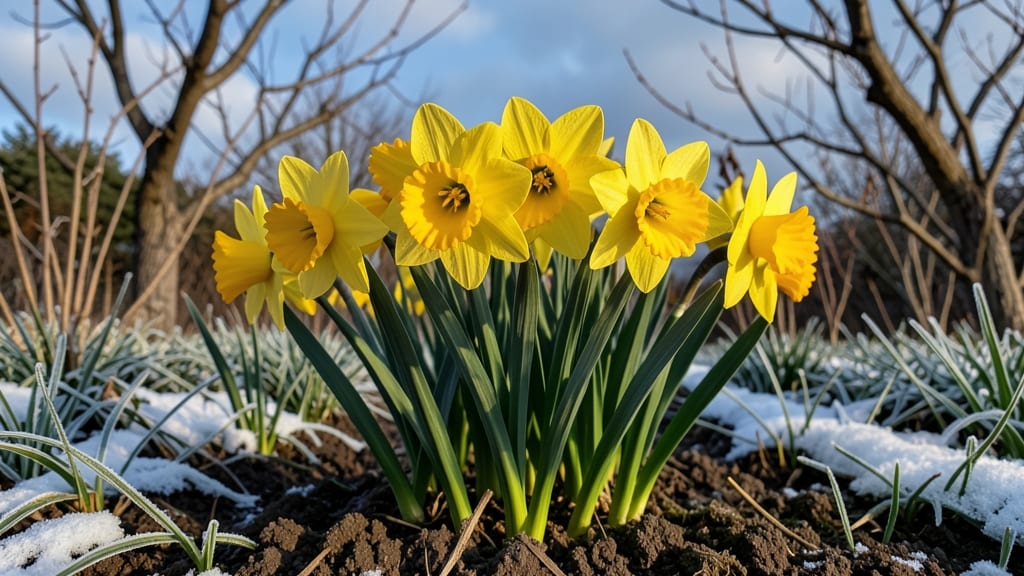
Tired of waiting for spring to bring color to your garden? Daffodils are the secret weapon for reliable, cheerful blooms that appear year after year with almost no effort. Their bright yellow trumpets are the first to break through winter’s grip, offering a burst of sunshine when other plants are still dormant.
These hardy bulbs thrive in poor soil and even deter deer, making them ideal for problem areas. Plant them in full sun to partial shade at a depth of 6–8 inches, and they’ll reward you with blooms for decades. Choose varieties like 'Tête-à-Tête' for compact clusters or 'Ice Follies' for pure white elegance.
Perfect for beginners, urban gardeners with limited space, and anyone craving low-maintenance beauty, daffodils are the ultimate fall-planted bulb. 🌻
Tulips for Bold Seasonal Displays
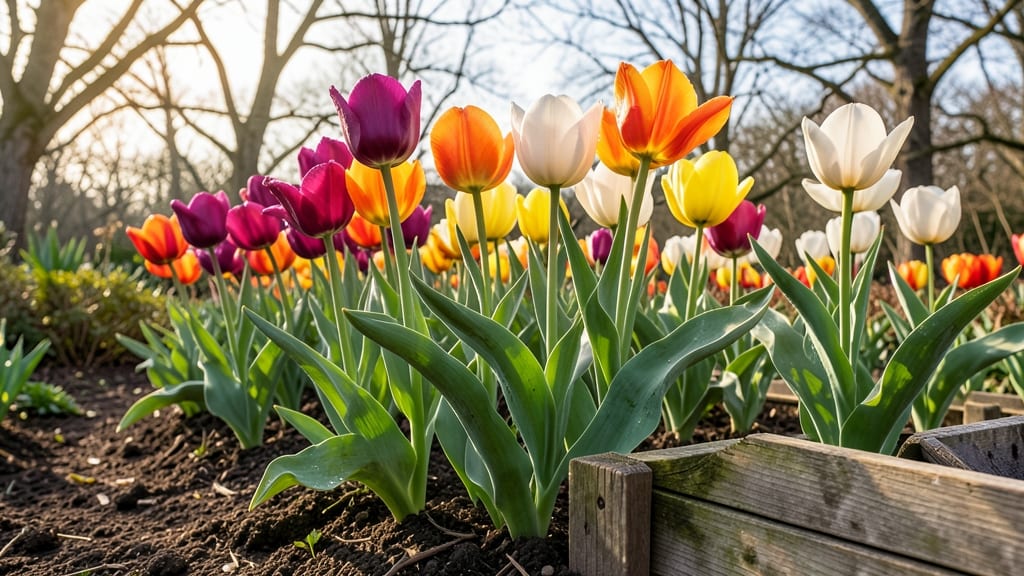
Want to turn heads with vibrant spring color that’s as easy to grow as it is stunning? Tulips are your secret weapon—perfect for cutting gardens, containers, or dramatic border displays that require almost no upkeep once planted.
These bulbs thrive in well-drained soil and deliver bold, show-stopping blooms in shades from fiery red to soft pink, all while needing just 6 hours of sun daily. For containers, choose smaller varieties like ‘Darwin Hybrid’ or ‘Parrot’ tulips—their striking petals last weeks in vases, making them a florist’s favorite. Just avoid soggy soil, and they’ll reward you with year-after-year returns.
Urban gardeners and small-space lovers rejoice: tulips fit perfectly into pots, window boxes, or even mixed borders. Their low-maintenance nature makes them ideal for gardeners who crave drama without the fuss. 🌻
Alliums for Unique Purple Spikes
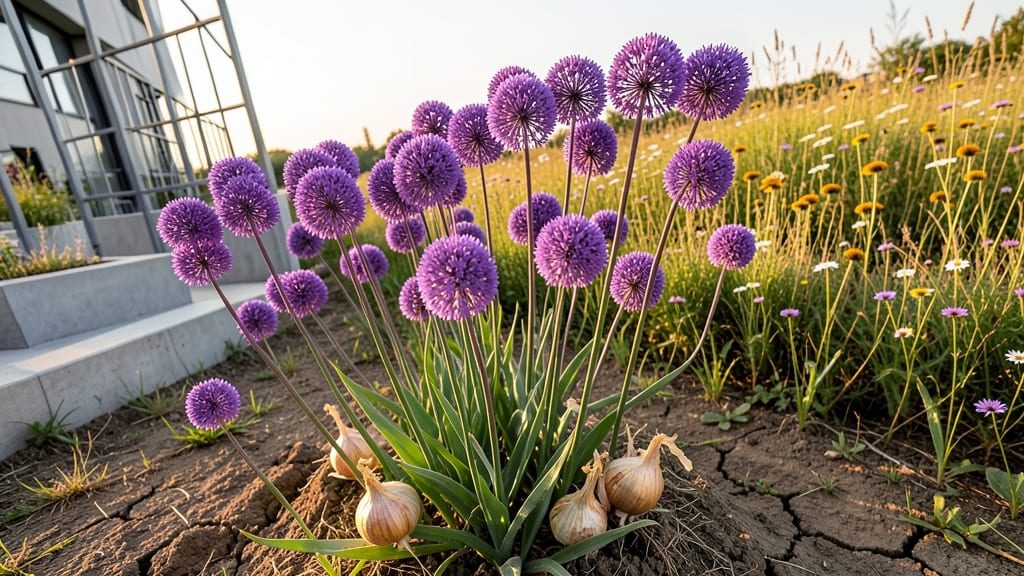
Skip the fuss of high-maintenance perennials—alliums deliver dramatic purple spikes that pop against any landscape, from modern urban gardens to wildflower meadows. These ornamental onions thrive where others falter, demanding only hot, dry conditions and full sun.
Plant bulbs in fall for spring blooms that reach 2-3 feet tall, creating vertical interest without staking. Their pollinator-friendly flowers attract bees and butterflies while resisting deer and rabbits. Group them with low-growing perennials like lavender or thyme for a striking, low-effort border that lasts all season.
Perfect for gardeners who love bold textures but hate constant upkeep, alliums multiply over time and naturalize beautifully. 🌻
Crocus for Early Pollinator Support
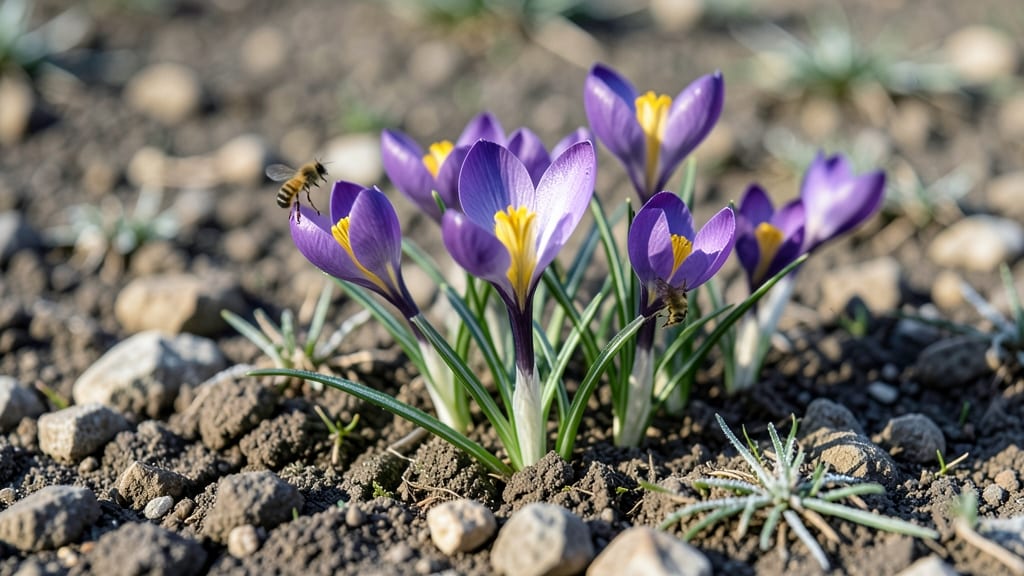
Before most bulbs even think about waking up, crocus bursts onto the scene in late winter, offering the first splash of color and a critical food source for emerging bees. These tiny powerhouses thrive where other plants won’t—even in rocky soil or thin lawns—making them the ultimate low-maintenance choice.
Plant them in fall just 2-3 inches deep, and they’ll reward you with cheerful purple, white, or yellow blooms by February or March. Unlike fussy perennials, crocus spreads naturally over time, creating self-sustaining carpets that require no division or special care. Their early blooms also break winter monotony while supporting pollinators when food is scarce.
Perfect for beginners or busy gardeners, crocus proves that beauty doesn’t require effort—just a little patience until spring. 🌱
Hyacinths for Fragrant Garden Focal Points
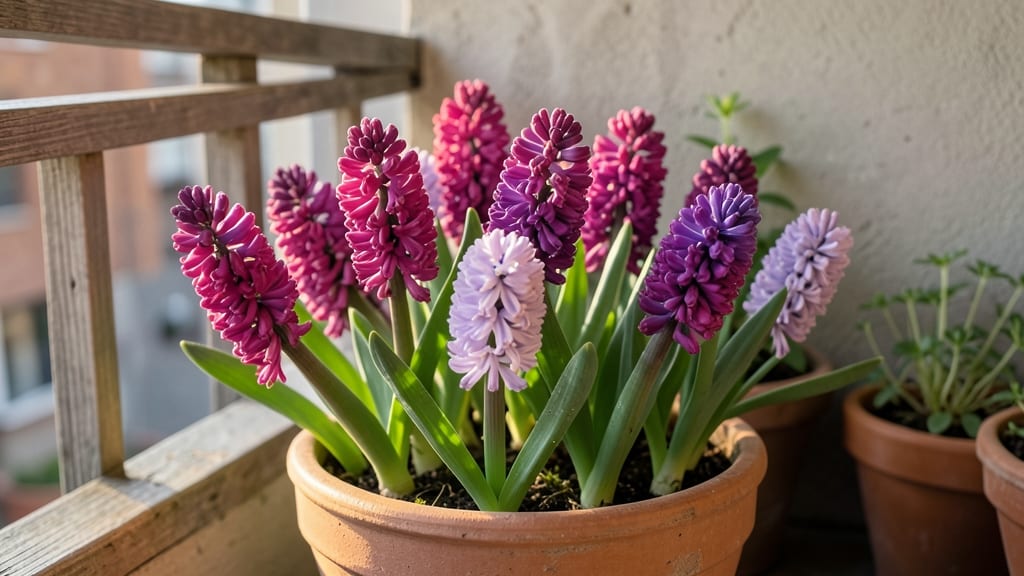
Transform a small patio or balcony into a fragrant paradise with hyacinths, whose intoxicating scent rivals a bouquet of fresh flowers. These compact bulbs pack a punch with their vibrant blooms and heady fragrance, making them ideal for containers or tight garden spaces where other bulbs might feel cramped.
Plant hyacinths 6 inches deep in well-draining soil, ensuring they receive full sun to partial shade. Their clustered blooms appear in early spring, offering colors like purple, pink, white, and blue. For containers, choose varieties like 'Woodstock' or 'Delft Blue'—both thrive in pots and can be moved to brighter spots as needed. The scent alone makes them worth growing, but their striking color contrasts beautifully with early spring foliage.
Urban gardeners and small-space enthusiasts will love how hyacinths deliver maximum impact with minimal footprint. Their year-round care (just water during dormancy) makes them a top choice for low-maintenance fragrance. 🌻
Snowdrops for Winter Interest
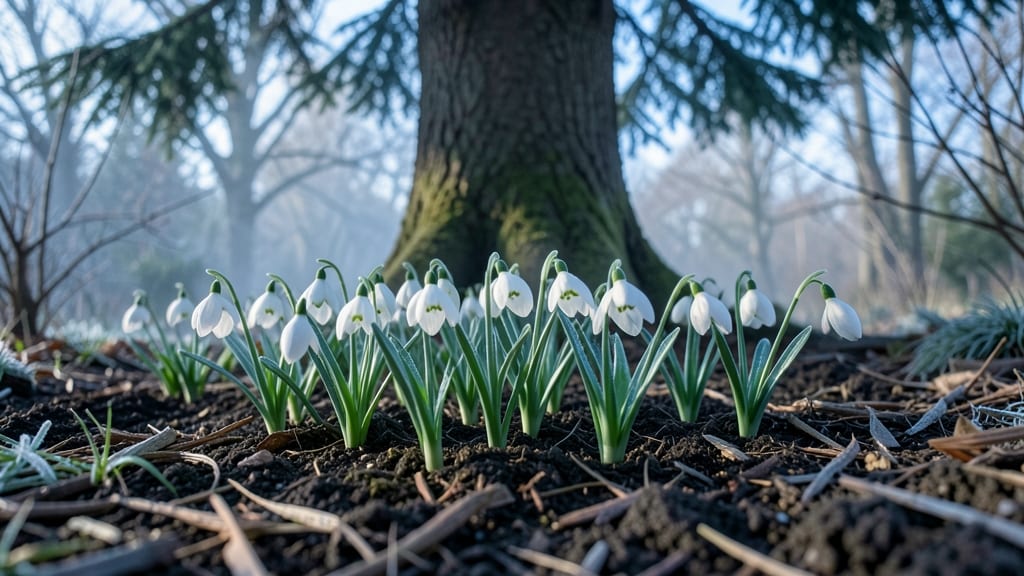
When winter’s chill still lingers and most gardens lie dormant, snowdrops defy the cold with their delicate white blooms—often appearing as early as December in milder climates. These hardy perennials thrive in shady, moist conditions, making them perfect for under trees or along north-facing borders where few other plants dare to grow.
Plant snowdrop bulbs in fall (September-October) at a depth of 2-3 inches in well-drained soil, and they’ll naturalize over time, creating lush patches that multiply yearly. Their subtle beauty and early blooms make them a favorite for woodland gardens, while their deer-resistant nature adds practical benefits. For maximum impact, pair them with heuchera or hellebores for a layered winter display.
Ideal for gardeners who crave early-season color with minimal fuss, snowdrops reward patience with years of effortless charm—proving that winter gardens can be just as magical as spring. ✨
Fritillaria for Checkered Elegance
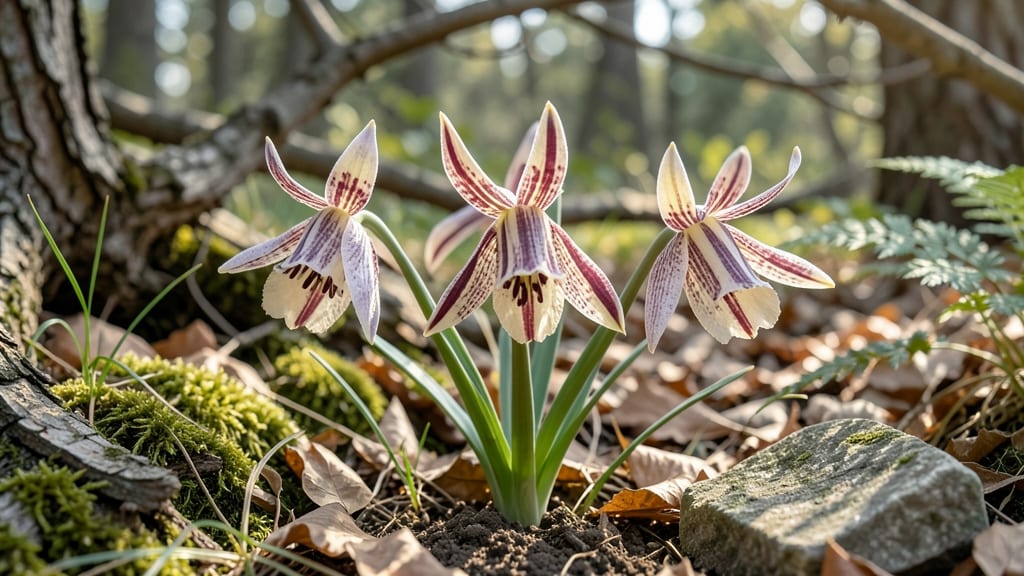
If you crave a garden that feels like a storybook, fritillaria delivers with its uniquely checkered blooms that resemble delicate lace. Unlike common spring bulbs, fritillaria offers an exotic charm that pairs beautifully with cottage-style gardens or woodland edges.
Plant these bulbs in well-drained soil with partial to full sun, and watch as they multiply over time, creating naturalizing drifts. Their bell-shaped flowers in shades of purple, white, or pink appear in late spring, often before many other bulbs. The key to success? Avoid soggy soil—they despise wet roots but reward you with years of effortless blooms.
Perfect for gardeners who love whimsical details, fritillaria thrives with minimal care once established, making it a dream bulb for low-maintenance cottage gardens. 🌷
Muscari for Graceful Blue Clusters
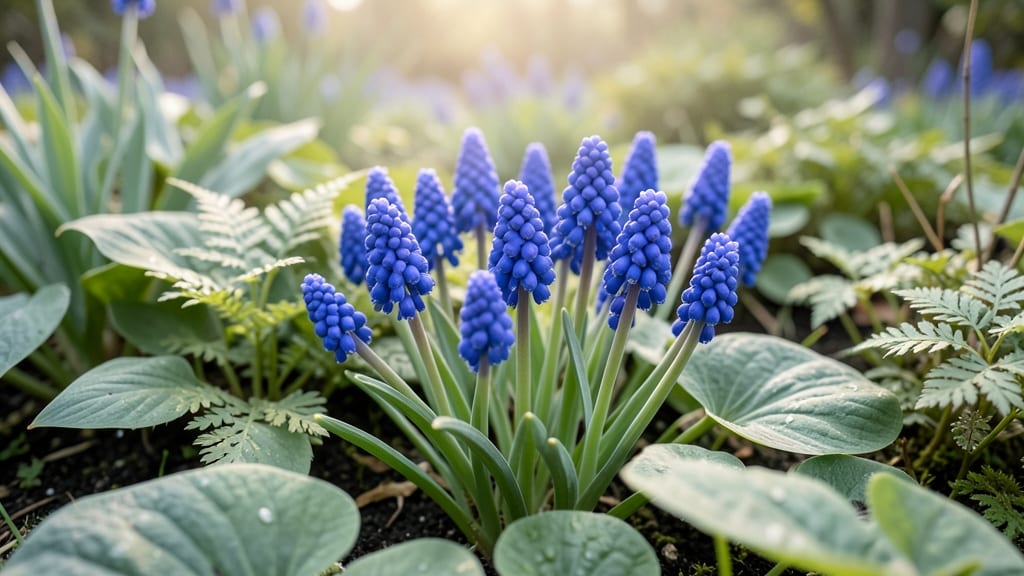
Looking for a low-maintenance way to add cool blue accents to your spring garden? Muscari—or grape hyacinths—are the answer. These tiny bulbs pack a punch with their dense, grape-like clusters of blue flowers that appear like magic in early spring, often before other perennials even wake up.
Plant them in well-drained soil at a depth of 3-4 inches, and watch them spread naturally over time. They thrive in full sun to partial shade, making them perfect for filling gaps between larger plants like alliums or tulips. Plus, their compact size means they won’t compete for space, but they’ll still add a pop of color that lasts for weeks.
This bulb is especially great for urban gardeners or anyone with limited space—just tuck a few into containers or borders, and you’ll get a effortless burst of blue that brightens up the garden with almost no work. 💚
Anemones for Late-Season Drama
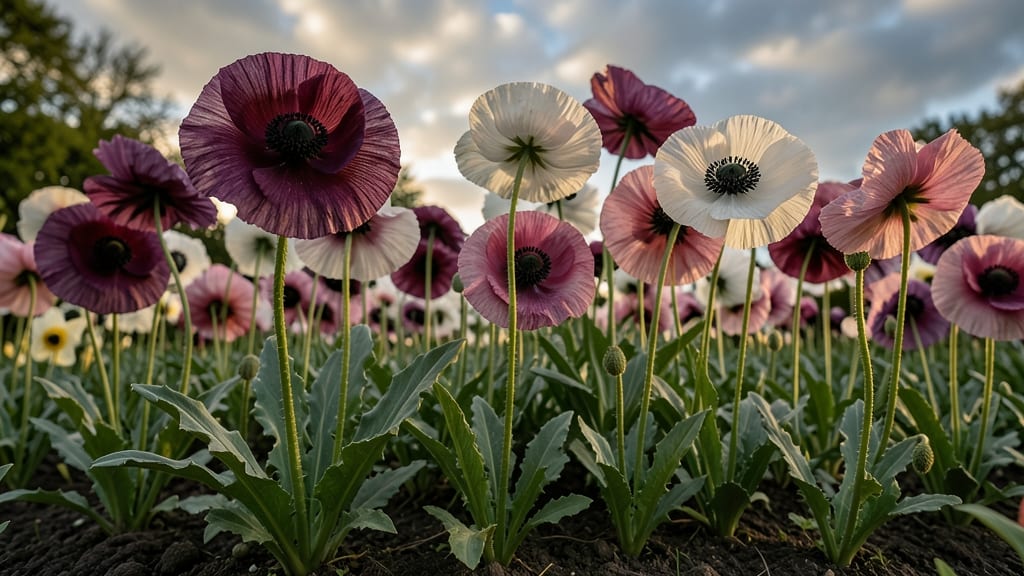
When your spring bulbs fade but you refuse to let summer’s color end, anemones swoop in like a dramatic stage entrance. These late-blooming beauties burst into bloom from August through October, bridging the gap between summer annuals and winter interest with their striking, papery petals in shades of pink, purple, and white.
Anemones thrive in partial shade to full sun and prefer well-drained soil, making them ideal for pairing with early bloomers like daffodils or tulips. Their dark centers create a bold contrast against lighter foliage, while their airy, almost ethereal blooms add movement to borders. For best results, plant them in clumps of 5-7 bulbs at a depth of 3-4 inches—this ensures a full, natural look without overcrowding.
Perfect for gardeners who love extended seasonal interest, anemones are especially rewarding in USDA Zones 3-9 and naturalize beautifully over time. Plant them now for a showstopping finale to your garden’s growing season! 🌷
Camassia for Tall Wildflower Impact

If you crave dramatic height in your garden without the fuss of high-maintenance perennials, camassia delivers with its striking blue, lily-of-the-valley-like blooms that reach up to 4 feet tall. This prairie native thrives in moist, well-drained soil and naturalizes effortlessly, making it perfect for open meadows, rain gardens, or sunny borders.
Plant bulbs in fall at a depth of 6 inches in clusters for a bold effect, ensuring they receive full sun to partial shade. Unlike many bulbs, camassia tolerates wet conditions and even looks stunning along pond edges. Deadhead spent blooms to encourage reblooming, and watch as colonies expand over time with minimal care.
Gardeners designing prairie-style gardens or seeking pollinator-friendly plants will love camassia’s ability to create a wildflower meadow look while requiring almost no upkeep. 🌻