
Fertilization
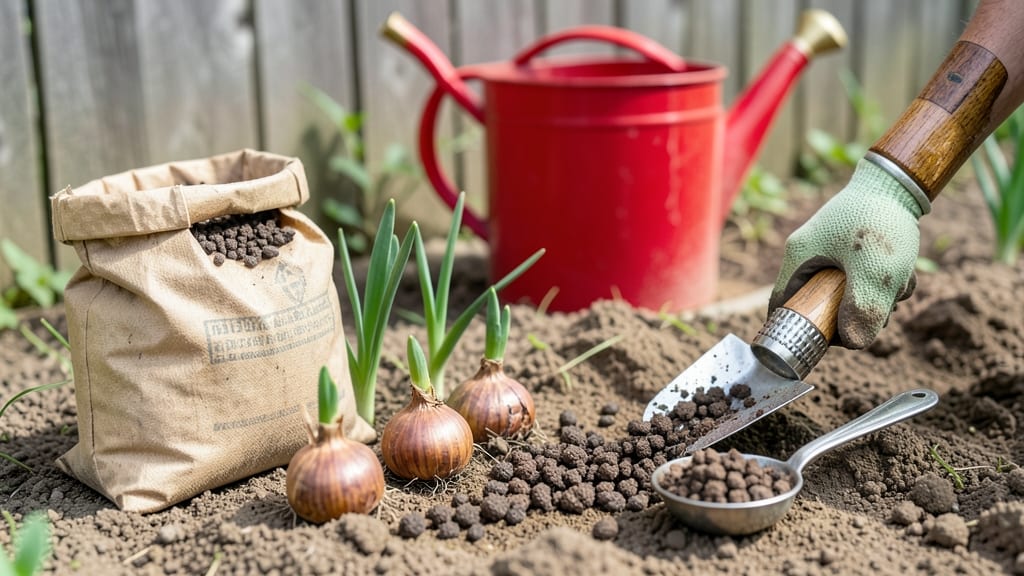
To fertilize tulip bulbs for showstopping blooms next spring, timing and nutrients matter more than most gardeners realize — and the best window starts 6-8 weeks before your first frost.
Picture this: You plant your 🌷 tulip bulbs in fall, water them, and wait. But when spring arrives, your neighbors’ tulips pop up in vibrant color while yours barely peek through the soil.
The difference? Fertilizing correctly—not just sometimes—is the game-changer between wimpy stems and bold, healthy blooms.
Most gardeners make two big mistakes: fertilizing at planting (which burns bulbs) or skipping the post-bloom potassium boost that stores energy for next year. Below, I break down the exact timing, fertilizer types, and application tricks that turn lackluster tulips into garden showstoppers—without overdoing it.
You’ll learn how to choose between organic and synthetic options, when to feed (and when to stop), and the one 30-second trick that prevents bulb rot. Ready to turn your fall planting into a spring spectacle?
Best fertilizer timing for tulip bulbs: seasonal schedule for maximum blooms
Tulips reward precise care with showstopping blooms, but most gardeners miss the critical fertilization windows that make the difference between weak stems and vibrant flowers. The key? Timing nutrients to match your tulip's natural growth phases—from fall dormancy to spring blooming and post-bloom storage.
I've planted thousands of tulip bulbs and learned the hard way that fall fertilization is where most gardeners fail—often skipping it entirely or applying the wrong nutrients.
Your tulip bulbs need three distinct fertilization phases to thrive: fall root establishment, early spring bloom preparation, and post-bloom energy storage. Each phase requires different nutrients and timing. For example, phosphorus in fall helps roots grow, while potassium after blooming ensures next year's flowers.
Let's break down the exact schedule I use in my garden to get consistent, healthy blooms year after year.
| Fertilization Phase | Best Time | Nutrient Focus | Organic/Synthetic Options | Key Tip |
|---|---|---|---|---|
| Fall Planting | 6-8 weeks before first frost | Phosphorus (P) + Potassium (K) | Bone meal, 5-10-10 granular | Apply 2-3 inches deep to avoid bulb burn |
| Early Spring (Pre-Bloom) | When shoots are 2-3 inches tall | Nitrogen (N) + Phosphorus (P) | Balanced 10-10-10 or compost tea | Side-dress lightly to avoid overstimulating foliage |
| Post-Bloom (Bulb Storage) | After flowers fade, before foliage yellows | Potassium (K) only | Wood ash or 0-0-52 | Encourages bulb energy storage for next year |
Most gardeners skip fall fertilization because they think tulip bulbs are dormant, but that's where you set the foundation for next year's blooms. When you plant bulbs in late September or October, apply a low-nitrogen fertilizer like bone meal or a 5-10-10 blend.
This gives roots a 6-8 week head start before winter. I once planted tulips without fall fertilizer and got only 30% of the expected blooms the next spring—don't make that mistake!
The early spring feeding is where tulips need a balanced boost of nitrogen and phosphorus. Wait until you see 2-3 inch shoots emerging, then apply a 10-10-10 fertilizer around the base.
This prevents leggy growth while supporting stem and flower development. Pro tip: Use a compost tea for organic gardeners—it adds microbes that help bulbs absorb nutrients more efficiently.
After your tulips bloom, the foliage might look spent, but this is when bulbs are storing energy for next year. That's why post-bloom potassium is critical. Apply wood ash or a 0-0-52 fertilizer when flowers fade but leaves are still green.
This helps bulbs replenish starch reserves. I've seen gardeners cut foliage too soon after blooming, which weakens bulbs—always let leaves yellow naturally before removing them.
Timing matters just as much as what you fertilize with. For example, applying nitrogen-rich fertilizer in late summer will encourage leafy growth but weaken next year's blooms.
The three-phase system I follow—fall roots, spring bloom, post-bloom storage—ensures your tulips get exactly what they need when they need it. This method has given me consistent, vibrant blooms for over a decade.
One common mistake I see is over-fertilizing in spring. Tulips don't need much—just a light feeding when shoots emerge. Too much nitrogen leads to leafy growth at the expense of flowers.
Another pitfall is using fresh manure, which can burn bulbs. Always use composted manure or synthetic fertilizers designed for bulbs. The right timing and products make all the difference!
For container-grown tulips, the same rules apply but with smaller amounts. Use a half-strength fertilizer and apply it directly to the soil surface. Water thoroughly after fertilizing to help nutrients reach the roots.
Container tulips often need more frequent feeding because nutrients leach out faster. I've had great success with slow-release pellets mixed into potting soil at planting time.
Remember, tulips are perennials, not annuals. Proper fertilization now means fewer bulbs to replant in future years. By following this three
Organic vs. synthetic fertilizers for tulips: what gardeners get wrong
When it comes to fertilizing tulip bulbs, many gardeners assume organic fertilizers are always the best choice. But the truth? Neither type is universally superior—it depends on your goals, soil health, and timing.
Tulips need specific nutrients at different growth stages, and using the wrong fertilizer can actually weaken bulbs or reduce blooms. Let me break down the key differences so you can make an informed choice for your spring blooms.
The biggest myth is that organic = always better for tulips. While organic options like compost or fish emulsion improve soil health long-term, synthetic fertilizers offer precise nutrient control that can boost first-year blooms.
The secret? Matching the fertilizer to the tulip's growth phase. For example, phosphorus-rich fertilizers (like bone meal) help root development, while potassium (found in wood ash) strengthens bulbs for next season.
Organic vs. Synthetic Fertilizers for Tulips
Organic Fertilizers
- ✅ Slow-release nutrients mimic natural decomposition
- ✅ Improves soil microbial life for bulb health
- ✅ Lower risk of over-fertilization if applied correctly
- ✅ Best for long-term soil fertility (3+ years)
- ⚠️ May contain weed seeds or pathogens if not composted properly
Synthetic Fertilizers
- ✅ Precise nutrient ratios tailored to tulip needs (e.g., high P/K)
- ✅ Faster results for color intensity in first bloom
- ✅ Easier to apply in exact measurements
- ✅ Works well in containers or poor soil
- ⚠️ Can cause salt buildup or burn bulbs if overused
If you're using organic fertilizers, focus on compost or well-aged manure during the growing season. These options release nutrients slowly, reducing the risk of over-fertilization.
For example, a 5-10-10 synthetic fertilizer can be applied in early spring for a quick nutrient boost, but organic options like fish emulsion work better when applied as a soil drench in late spring. The key is consistency—tulips thrive when nutrients are available but not overwhelming.
Synthetic fertilizers shine when you need immediate results, like for container-grown tulips or poor soil. A balanced 10-10-10 or 5-10-15 granular fertilizer applied in early spring can jumpstart growth, but avoid high-nitrogen blends after blooming.
The downside? Synthetics lack the soil-building benefits of organic matter, so pair them with mulch or compost to maintain long-term health.
For long-term bulb health, I recommend a hybrid approach: use organic fertilizers in the fall (like bone meal) to encourage root growth, then switch to a low-nitrogen synthetic in early spring for blooms.
This combo ensures your tulips get the best of both worlds—nutrient precision and soil vitality. Just remember: less is more with tulips. Over-fertilizing, whether organic or synthetic, can lead to weak stems and fewer blooms.
Pro tip: Always water your tulips deeply before fertilizing to help distribute nutrients to the roots. And if your soil is already rich in organic matter, you might not need synthetic fertilizers at all—just a light top-dressing of compost in early spring.
The goal is to support those bulbs without overwhelming them, so experiment and observe what works best in your garden.