
Flowers
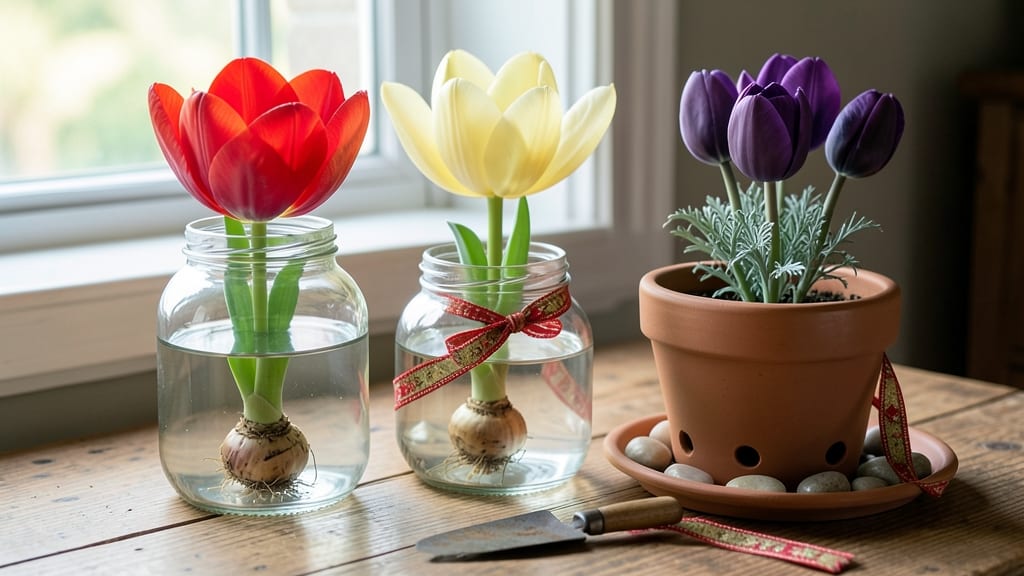
Forcing forced tulip bulbs indoors lets you enjoy spring blooms in January—no garden required. 🌷 The trick is mimicking winter’s chill, then coaxing growth with warmth. Unlike outdoor planting, forced bulbs need a precise 6-8 week cold snap before blooming in just 12 weeks.
You’ll need tulip bulbs (not hybrid varieties), a container, and a cool dark spot. Skip the soil—just nestle bulbs in damp pebbles or moss. The secret? Consistent moisture and patience. No sunlight until you see green shoots.
By Valentine’s Day, you’ll have vibrant blooms that last weeks in a vase. The bulbs won’t return outdoors, but the joy of early color makes it worth it. Perfect for winter cheer or holiday gifts.
Works in any climate—just adjust your chill timing. Here’s how to get started without the guesswork.
📚 In This Guide
- What you need
- Instructions
- Tips and common mistakes
- Wrapping up and next steps
What you need
- ● Tulip bulbs: 10–20 medium-to-large bulbs (6–8 cm in diameter) of your favorite varieties (e.g., Darwin Hybrid, Parrot, or Fosteriana). Choose firm, unblemished bulbs with no signs of mold or soft spots.
- ● Forcing medium: Option 1: Pebbles or gravel (3–5 mm in size, sterilized—boil for 10 mins or bake at 200°F for 30 mins). Fill a container to ¾ capacity.
- ● Option 2: Sphagnum moss (moist but not soggy). Use 2–3 inches at the bottom of your container.
- ● Container: A shallow, wide vessel (e.g., ceramic bowl, glass vase, or plastic tub) with drainage holes if using moss. Minimum size: 12" diameter for 10 bulbs.
- ○ Optional: A forcing pot (pre-drilled with holes) for a polished look.
- ● Refrigeration: A cool, dark space (33–45°F / 1–7°C) for 12–16 weeks. A basement, garage, or fridge works—just avoid freezing temps!
- ● Water: Distilled or tap water (if using pebbles/gravel). Keep it room-temperature.
- ● Spray bottle: For gently misting bulbs if using moss.
- ● Decorative elements: Pebbles in varying colors (e.g., black, white, or gold) for a stylish display.
- ● Floral preservative: A few drops in water to extend bloom life.
- ● Grow lights: If forcing near a window with low light (12–14 hours/day after chilling).
- ● Thermometer/hygrometer: To monitor temps and humidity during chilling.
Step-by-step instructions for forcing tulip bulbs indoors
Here's how to coax stunning tulips indoors using the natural chilling process—no greenhouse or fancy equipment needed.
🌱 Step 1: Select and Prepare Your Bulbs
Choose large, firm tulip bulbs—look for ones labeled "forcing" or "pre-cooled" if available. Smaller bulbs will still work but may produce fewer blooms. I always pick bulbs with a healthy, papery skin and no signs of mold or soft spots. Remove any damaged outer layers with your fingers, but don't peel too aggressively—just enough to expose the healthy base.
Place the bulbs in a cool, dark spot for 2-3 weeks before forcing. A garage, basement, or even your refrigerator's crisper drawer works perfectly. The goal is to mimic winter dormancy, so aim for temperatures between 35-45°F. If your space runs warmer, add a bowl of ice nearby to help regulate the chill.
⏰ Step 2: Pre-Chill for 10-12 Weeks
After the initial 2-3 weeks, transfer the bulbs to a consistently cold environment for 10-12 weeks total. This is the critical step—skipping it means your bulbs will never bloom. I use a dark closet or a dedicated seed fridge set to 35-40°F. Check them weekly to ensure no mold or rot has developed; discard any bulbs that feel mushy or smell off.
Here's the thing—you won't see any growth yet, but roots will start forming. After 8 weeks, you can gently lift a bulb to check for ½-inch roots. If you see them, your bulbs are ready for the next phase. If not, give them a few more weeks—they're still on track.
🪴 Step 3: Pot Up and Provide Light
Fill a shallow container (like a wide, low bowl or vase) with well-draining potting mix, leaving about 1 inch of space between the bulb tops and the rim. Place 2-3 bulbs per container, spacing them evenly. Press the mix gently around the bulbs so they sit snugly but aren't buried too deep—just enough to hold them upright.
Move the container to a bright, cool spot (around 60-65°F) with indirect light. A north-facing window or under a grow light works best. Avoid direct sunlight, which can cause the stems to grow too quickly and flop over. Water lightly—just enough to keep the mix slightly moist—but never soggy. You'll know it's right when the soil feels like a damp sponge.
☀️ Step 4: Encourage Blooms With Controlled Conditions
Once green shoots appear (usually 2-3 weeks after potting), increase the light to 12-14 hours daily. This triggers the final bloom phase. If using a grow light, position it 6-8 inches above the bulbs. Rotate the container daily so stems grow straight—you'll see them lean toward the light if they're not getting enough.
Water carefully from the bottom by placing the container in ½ inch of water for 10-15 minutes. This prevents rot while keeping roots hydrated. Stop watering once buds form—overwatering now causes buds to split or fall off. Watch for color changes in the petals—that's your cue they're nearly ready to enjoy.
✂️ Step 5: Harvest and Extend the Display
Cut stems when 1-2 outer petals begin to open, using sharp scissors to avoid crushing the stems. Place them in a vase with fresh water immediately. Change the water every 2-3 days and trim stems at an angle to prolong vase life. With this method, your tulips will last 7-10 days indoors—longer than store-bought blooms.
After blooming, let the foliage die back naturally. If you want to reuse the bulbs, replant them outdoors in fall after the last frost. If not, compost them—they've given you beauty without soil, and that's worth celebrating.
Tips & tricks for perfect forced tulip blooms
These insider tricks will help you avoid common pitfalls and maximize your tulip bulbs' potential for stunning indoor blooms.
Temperature Consistency: The 35-45°F range during the initial 2-3 weeks is non-negotiable for mimicking winter dormancy. I've found that placing a small fan near the bulbs in your fridge's crisper drawer creates gentle airflow that helps maintain even temperatures. If your space fluctuates, consider a dedicated seed fridge—it's worth the investment for consistent results.
Root Development Check: At the 8-week mark, gently lift one bulb to check for ½-inch roots. If you don't see roots yet, don't panic—just give them another week. I've had bulbs take up to 10 weeks to develop roots, but they still bloomed beautifully. The key is patience; forcing is a slow process that rewards careful attention.
Light Transition Strategy: When moving bulbs to light after the 10-12 week chilling period, start with 4-6 hours of indirect light daily for the first week. Gradually increase to 12-14 hours over 7-10 days. This gradual adjustment prevents shock and encourages steady stem growth. I use a simple timer on my grow light to maintain consistency—no guesswork involved.
Watering Wisdom: The bottom-watering technique during the 10-15 minute soaking is brilliant, but timing matters. I've found that doing this every 5-7 days (rather than weekly) prevents the soil from drying out completely between waterings. Always check the soil feels like a damp sponge before watering again—this prevents both underwatering and overwatering.
Pro Tips for Forced Tulip Bulbs
- These insider tricks will help you avoid common pitfalls and maximize your tulip bulbs' potential for stunning indoor blooms.
- Temperature Consistency: The 35-45°F range during the initial 2-3 weeks is non-negotiable for mimicking winter dormancy.
- Root Development Check: At the 8-week mark, gently lift one bulb to check for ½-inch roots.
Frequently asked questions
Got questions about forcing tulip bulbs? You’re not alone! Here are answers to the most common queries—so you can skip the guesswork and get straight to those stunning indoor blooms.
What does "forced" mean for tulip bulbs?
Forcing simply means tricking tulip bulbs into blooming indoors by mimicking their natural winter chilling cycle. Instead of waiting for spring, you’ll enjoy vibrant flowers in just 12 weeks—no garden required! Just plant them in containers, refrigerate for 12–16 weeks, then bring them into warmth. Think of it as a shortcut to spring!
Can I force tulips without refrigeration?
Technically, yes—but results may be spotty. Tulips need a cold period (40–50°F/4–10°C) to bloom properly. If you lack a fridge, try a cool basement, unheated garage, or even a root cellar. Without chilling, bulbs might produce weak stems or no flowers at all. Patience pays off for that showstopping display!
What’s the best container for forcing tulips?
Use well-draining containers like:
- Terracotta pots (breathable, prevents rot)
- Glass jars or vases (for a minimalist look—just add pebbles and bulbs!)
- Plastic nursery pots (budget-friendly and reusable)
Why aren’t my forced tulips blooming?
Don’t panic! Common culprits include:
- Insufficient chilling: Bulbs need 12–16 weeks of cold. Check your fridge temp—it should stay 40–50°F (4–10°C).
- Overwatering: Bulbs rot if sitting in water. Keep soil moist but not soggy.
- No light during growth: Once stems emerge, place bulbs in bright, indirect light (a sunny windowsill works!).
- Old or weak bulbs: Choose firm, plump bulbs labeled for forcing.
Can I reuse forced tulip bulbs?
Unfortunately, no—forced tulips are a one-time show. After blooming, the bulbs exhaust their energy and won’t regrow. But don’t toss them! Plant them in your garden post-bloom—they’ll naturalize and return for years of outdoor displays. For indoor forcing again, you’ll need fresh bulbs each season.
What’s the fastest way to force tulips?
For speed blooms, try these hacks:
- Pre-chill bulbs: Buy bulbs labeled “pre-cooled” (they’ve already had their chilling period).
- Use paperwhite hybrids: These bloom in 3–4 weeks with minimal chilling (just 6–8 weeks cold).
- Warm up faster: Once stems hit 6 inches, move pots to a sunny, warm spot (65–70°F/18–21°C).
Wrapping up and next steps
Forcing tulip bulbs is a rewarding way to bring early spring color indoors—no soil or garden required! 🌸 By leveraging their natural chill requirement, you can enjoy vibrant blooms in just 12 weeks.
Whether you’re a beginner or a seasoned gardener, this method proves that patience and a little creativity can transform humble bulbs into stunning centerpieces.
Ready to bloom with confidence? Grab your bulbs, follow the steps, and share your progress—your future floral displays will thank you! Next up: Experiment with different containers or pair tulips with complementary flowers for an even show-stopping effect.