
Propagation
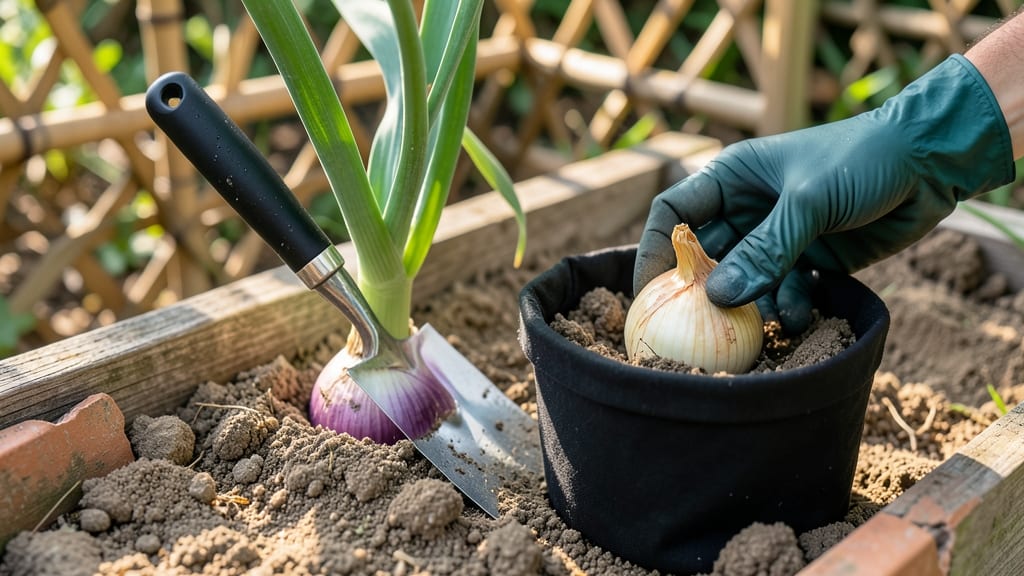
Regrowing onions from store-bought bulbs is the easiest way to get free green onions all year—no soil required. 🌱 I've done this in my kitchen for years, and the first bright green shoots appear in just 7 days, ready to snip whenever you need them.
It's a game-changer for cooks who hate buying wilted bunches at the store.
The secret is simple: you only need a shallow container, water, and a little patience. Place the bulb with the roots facing down in about 1 inch of water, keeping the top dry. Within a week, you'll see 2-3 inches of fresh green growth—no dirt, no mess, just endless supply.
This method works for yellow, white, or red onions, and you can regrow them 3-4 times before the bulb gets too small.
What you end up with is a never-empty pantry staple: crisp, fresh green onions that taste better than store-bought. The bulbs stay firm and ready for the next regrowth cycle, so you're not just saving money—you're creating a self-sustaining system.
Plus, it's a great way to teach kids about plant growth without needing a garden.
If the water gets cloudy, change it daily to prevent rot. Keep the container in bright, indirect light (a sunny windowsill works perfectly), and avoid letting the bulb sit in deep water.
Once you master this, you'll never buy green onions again—and you can even try growing full-sized onions from those regrown bulbs in soil later!
📚 In This Guide
- What you need
- Instructions
- Tips and common mistakes
- Wrapping up and next steps
What you need
- ● Onion bulbs: Choose fresh, organic onions with green stems still attached (1–2 bulbs per attempt). Yellow or red onions work best!
- ● Water: 1–2 cups of room-temperature water (filtered or tap, if left out overnight to dechlorinate).
- ● Container: A shallow dish (like a saucer, small bowl, or glass) with a depth of at least 1–2 inches.
- ○ Paper towels or coffee filters: 1–2 sheets (optional but helps absorb excess water and prevent rot).
- ● Spray bottle: For gentle misting if the air is dry.
- ● Pruning shears or clean knife: To trim bulbs if roots are too long or damaged.
- ● Sunny windowsill or grow light: A south-facing window or LED grow light (12+ hours/day) for faster growth.
- ● Small pot or soil: If you plan to transplant regrown onions later (after roots reach ~1 inch).
Step-by-step instructions for regrowing onions from bulbs
Here's how I turn wilted onion tops into fresh green shoots in just a week—no dirt required.
🌱 Step 1: Select and Prepare Your Onion Bulb
Choose a firm onion with at least 1-2 inches of green stem still attached—the more growth, the quicker your regrowth. Cut off any wilted or browned tops with a clean knife, leaving ½ inch of green stem on the bulb. I like to trim the root end too, just below where the roots begin, to create a fresh surface for regrowth.
Place the bulb in a shallow container of lukewarm water (about 65-70°F) so the trimmed root end is submerged by ½ inch. The green stem should remain dry above water. You'll see tiny root hairs appear within 24-48 hours—that's your first sign of life returning.
💧 Step 2: Maintain Water and Light Conditions
Change the water every 2-3 days to prevent bacterial growth. I use a small glass or jar so I can monitor the water level easily—never let the bulb sit in deep water, or the roots will rot. Keep the container in a spot with bright indirect light (like a sunny windowsill) but avoid direct afternoon sun, which can scorch the new growth.
Watch for first true leaves emerging from the bulb's top—this usually happens within 5-7 days. You'll notice the green stem thicken slightly and develop a fresh, vibrant color. If the water gets cloudy before then, dump it and rinse the roots gently under fresh water.
☀️ Step 3: Encourage Strong Stem Growth
Once you see 1-2 inches of new green growth, it's time to move your onion to a slightly larger container with 1 inch of fresh water. The deeper roots need more space to anchor, and the extra water helps support the taller stem. I like to use a clear glass so I can watch the roots develop—it's fascinating to see them spread out like a tiny network.
Rotate the container a quarter turn daily so the stem grows straight rather than leaning toward the light. You'll know you're on track when the stem reaches 4-6 inches tall and develops a crisp, fresh texture—ready to use in cooking or garnishes. If the water evaporates completely, the roots will dry out and growth will stall.
✂️ Step 4: Harvest and Regrow Again
When the green stem reaches your desired length (usually 6-8 inches), snip it just above the bulb with clean scissors. Leave ½ inch of green stem on the bulb to encourage another harvest in 1-2 weeks. I've regrown the same onion bulb 3-4 times this way before its energy runs out.
To store the bulb between harvests, place it in a paper bag in the refrigerator—this slows its metabolism and keeps it fresh for 2-3 weeks until you're ready to regrow again. The bulb will eventually stop producing greens, but you'll get multiple harvests from a single onion this way.
Tips & tricks for perfect onion regrowth without soil
Took me a while to figure out these tricks—now you can avoid my early mistakes and get the best regrowth every time.
Selection is Everything: Look for onions with green stems that are still firm and vibrant, not limp or yellowing. I learned this the hard way after trying to regrow onions with barely any green—no regrowth at all! The more green you start with, the faster your new shoots will appear. If your onion has less than ½ inch of green, it won't regrow successfully.
Water Temperature Matters: That lukewarm water at 65-70°F is critical—too hot and you'll cook the roots, too cold and growth will stall. I use a kitchen thermometer to check my tap water temperature first. If your water runs hot, let it cool completely before using. The roots need that gentle warmth to activate growth within those first 24-48 hours.
Light Positioning: Bright indirect light is key—direct sunlight can scorch the delicate new growth while too little light means weak, leggy stems. I place my onion containers on the east-facing windowsill where they get morning sun but gentle afternoon light. If you notice your stem leaning, it's getting too much light from one direction.
Harvesting Strategy: Always leave that ½ inch of green stem after each harvest—this becomes your new growing point. I've regrown the same onion bulb 3-4 times this way, getting fresh greens every 1-2 weeks. The bulb's energy reserves are what fuel this regrowth, so don't trim too aggressively or you'll exhaust them faster.
Pro Tips for Growing Onions From Bulbs
- Took me a while to figure out these tricks—now you can avoid my early mistakes and get the best regrowth every time.
- Selection is Everything: Look for onions with green stems that are still firm and vibrant, not limp or yellowing.
- Water Temperature Matters: That lukewarm water at 65-70°F is critical—too hot and you'll cook the roots, too cold and growth will stall.
Frequently asked questions
Got questions about regrowing onions from scraps? You’re not alone! Here are some of the most common queries—and their easy answers—to help you grow lush green onions like a pro.
Can I regrow onions from any store-bought bulb?
Most store-bought onions won’t regrow because they’re often treated to prevent sprouting. Look for organic, untreated bulbs—or better yet, save the roots from onions you’ve already grown! The key is a firm, healthy base with intact root ends. Pro tip: Skip yellow or papery onions; opt for white or red varieties for best results.
How long does it take for green onions to regrow?
With the right conditions, you’ll see sprouts in 3–7 days! Keep the bulb in water (changed daily) and place it in bright, indirect light. Once roots are 1–2 inches long, transfer to soil or continue growing in water. Patience pays off—harvest when stems reach 6–8 inches for the freshest flavor.
Should I use water or soil to regrow onions?
Both work! Water regrowth is faster and great for kitchen windowsills, but soil yields sturdier, longer stems. If using soil, plant the bulb halfway (roots down) in moist, well-draining potting mix. Keep it damp but not soggy. Bonus: Soil-grown onions can be replanted outdoors for a full harvest!
Why are my onion roots turning mushy or smelly?
Mushy roots or foul odors mean root rot—usually from overwatering or bacteria. Act fast: Rinse the bulb, trim any black/mushy roots, and replant in fresh water or dry soil. To prevent this, use clean water (change daily) and avoid submerging the bulb entirely. Keep it cool (60–70°F) to slow bacterial growth.
Can I regrow onions from the tops instead of the roots?
Nope! Only the root end (the white, papery base) can regrow. Toss the green tops—they’re edible now but won’t sprout again. Save the bottom 1–2 inches of the bulb (where roots form) for your water or soil project. Fun fact: You can even regrow from leftover onion ends with just a glass of water!
Wrapping up and next steps
Growing onions from bulbs is a simple, rewarding way to extend your harvest with minimal effort—no soil or fancy tools required! 🌱 Whether you’re a beginner or a seasoned gardener, this method proves that even small steps can yield big results.
Now that you’ve mastered the basics, why not take it further?
🌟 Next Steps to Explore:
- Experiment with flavors: Try regrowing red, white, or yellow onions to compare tastes and growth speeds.
- Share the trick: Surprise friends or roommates with your newfound green-onion-growing skills!
- Expand your garden: Use the same method with shallots or garlic for a full allium revival.
Your kitchen scraps just got a second life—keep growing, keep saving! 🌱✨