
Planting
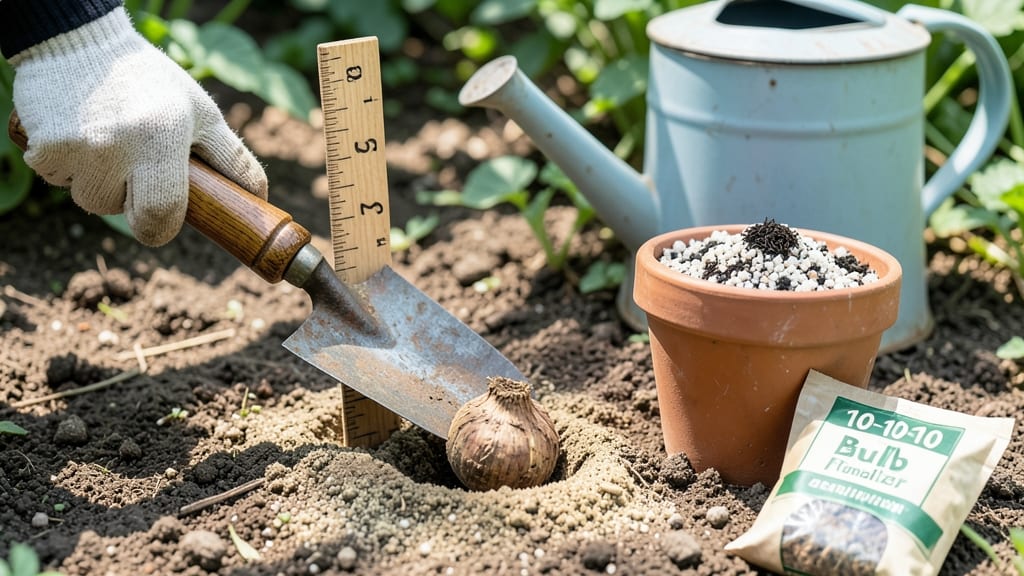
To plant ranunculus bulbs properly, aim for a depth of 2-4 inches—too shallow, and they’ll flop; too deep, and they’ll rot before blooming.
Struggling to get your ranunculus bulbs to bloom? Planting depth is the secret weapon most gardeners overlook—get it wrong, and you’ll miss those stunning, layered flowers entirely.
These delicate 🌸 beauties thrive in well-draining soil, and their depth needs adjust slightly based on your climate. In cooler zones like 6a, a shallower plant (2 inches) works best, while warmer areas can handle up to 4 inches.
Below, I’ll break down the exact depth for your region, soil type tweaks, and the one mistake that kills 90% of ranunculus before they even sprout.
The exact planting depth for ranunculus bulbs (with inch-by-inch guide)
If you’re dreaming of those delicate, layered ranunculus blooms but struggling to get them to thrive, the answer might be in your planting depth. These papery-petal beauties are fussy about where they’re tucked into the soil—and getting it wrong can mean no flowers or weak stems.
The ideal ranunculus bulb depth is 2-3 inches below soil level, but soil type and climate can tweak that number slightly. Let’s break it down so you can plant with confidence.
Why does depth matter so much? Ranunculus bulbs need just the right balance of moisture and air circulation. Plant them too shallow, and they’ll dry out or rot. Too deep, and they’ll struggle to push through the soil.
The 2-3 inch rule ensures bulbs stay hydrated without suffocating—perfect for their spring blooming cycle. Think of it like Goldilocks: not too hot, not too cold, but just right.
🌱 Pro Tip: Always plant ranunculus bulbs with the pointy end up. This isn’t just a myth—it’s how nature designed them to grow. The flat side should face downward, ensuring the bulb’s growth point faces upward toward sunlight. Skipping this step can delay blooms or stunt growth entirely.
| Factor | Standard Depth | Adjustment | Why It Matters |
|---|---|---|---|
| Soil Type | 2-3 inches | Sandy: 1-2 inches Clay: 3-4 inches |
Prevents drying out (sandy) or suffocation (clay) |
| Climate Zone | 2-3 inches | Cold (Zones 5-6): 3-4 inches Warm (Zones 8-9): 1.5-2.5 inches |
Protects from frost heave or overheating |
| Bulb Size | 2-3 inches | Small (<1 inch): 1.5-2 inches Large (>1.5 inches): 3-4 inches |
Smaller bulbs need less depth; larger bulbs store more energy |
| Container Planting | 2 inches | Use well-draining mix; add 1 inch of gravel at bottom | Prevents root rot in confined spaces |
Your soil type plays a huge role in adjusting that 2-3 inch baseline. In sandy soil, which drains quickly, you’ll want to plant 1-2 inches deep to keep moisture near the bulb.
Conversely, clay-heavy soil holds water like a sponge, so dig 3-4 inches deep to prevent rot. Always loosen the soil before planting—ranunculus bulbs hate compacted earth, which restricts root growth.
Climate also shifts the ideal depth. In colder zones (USDA 5-6), plant bulbs 3-4 inches deep to protect them from frost heave, where freezing and thawing cycles push bulbs upward. In warmer zones (USDA 8-9), shallow planting (1.5-2.5 inches) prevents overheating.
Check your last frost date—planting too early in cold climates risks bulbs sprouting prematurely and dying in frost.
One of the biggest mistakes I see is planting ranunculus bulbs too deep. When bulbs are buried beyond 3.5 inches, they’ll struggle to push through the soil, leading to weak stems or no blooms at all.
If you’ve already planted too deep, don’t panic! Gently dig up the bulb after planting, reposition it closer to the surface, and cover it with fresh soil. Just be gentle—these bulbs are delicate.
On the flip side, shallow planting (under 1.5 inches) causes bulbs to dry out or bake in the sun. You’ll know it’s a problem if the soil around the bulb cracks or if the top turns brown.
To fix this, add a 1-inch layer of mulch (like straw or shredded leaves) to retain moisture without smothering the bulb. Mulch also insulates roots in winter, giving your ranunculus a head start in spring.
For container gardening, stick to 2 inches deep but use a well-draining potting mix. Add a 1-inch layer of gravel at the bottom of the pot to improve drainage—ranunculus bulbs hate soggy roots.
If you’re planting multiple bulbs in a pot, space them 3-4 inches apart to avoid overcrowding, which can spread disease and weaken blooms.
After planting, give your ranunculus bulbs a light watering to settle the soil, but avoid overwatering. These bulbs prefer moderate moisture—think of it like a damp sponge, not a swimming pool. In spring, once shoots emerge, increase watering slightly to support bloom development.
And here’s a secret: fertilize lightly in early spring with a balanced 10-10-10 fertilizer to give your ranunculus the nutrients it needs for vibrant blooms.
Remember, the key to ranunculus success is patience. These bulbs need time to establish roots before they’ll reward you with those romantic, layered flowers. If you’ve planted them at
How climate and soil type change ranunculus planting depth (adjustments by region)
Your ranunculus bulbs thrive when planted at the right depth—but that depth isn't one-size-fits-all. Climate zones and soil types dramatically alter how deep you should bury those delicate bulbs. In USDA zone 5, where winters are harsh, you'll plant deeper to protect bulbs from frost heave.
Meanwhile, gardeners in zone 9 can plant shallower to prevent rot in heavy rainfall.
Soil type plays an equally critical role. Sandy soil drains water quickly, so bulbs need deeper planting to hold moisture. Clay-heavy soil, on the other hand, retains too much water—shallow planting helps prevent bulb rot.
Even the bulb size (small vs. large) affects depth adjustments. Let's break down these regional and soil-specific rules to ensure your ranunculus blooms like clockwork.
In USDA zone 5, where frost lines are a major concern, I always plant my ranunculus bulbs 3-4 inches deep. The extra depth acts as insulation, shielding the bulbs from the freeze-thaw cycles that can push them out of the soil.
For gardeners in zone 9, where winters are mild but rainfall is frequent, I reduce the depth to 1.5-2 inches to prevent waterlogging—especially in sandy soil.
If your garden has clay-heavy soil, the solution is simple: plant 2.5-3.5 inches deep. This extra depth helps water drain away from the bulbs, reducing the risk of rot.
Conversely, sandy soil requires shallower planting (2-2.5 inches) to help retain moisture. Pro tip: always loosen the soil around the bulbs to improve drainage, regardless of soil type.
One mistake I see often is planting ranunculus bulbs at the same depth in all conditions. For example, in loamy soil (ideal for most zones), 2-3 inches is perfect—but swap to zone 5 with clay soil, and you’ll need to adjust to 3.5 inches for optimal results.
Always consider both your climate zone and soil type before digging.
For extra protection in cold climates, I add a 2-inch layer of mulch after planting. This helps regulate soil temperature and moisture, giving your ranunculus bulbs the best chance to establish strong roots before winter sets in.
In warmer zones, mulch isn't necessary—but a light layer of compost around the bulbs still boosts soil health.