
How To
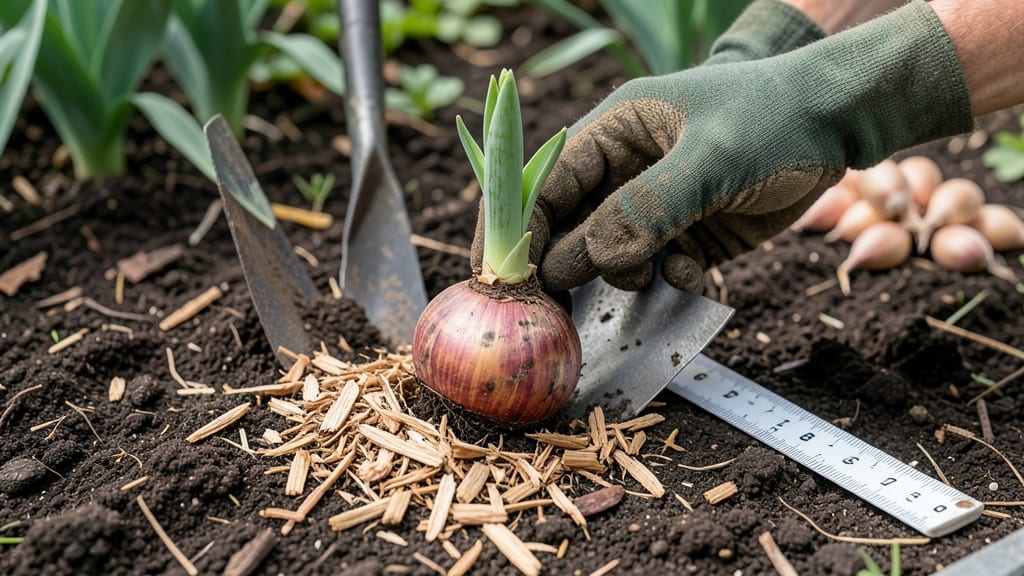
Planting tulip bulbs how far down do you plant them—6 to 8 inches deep—ensures they thrive and deliver perfect blooms next spring—this is the golden rule for 🌷 tulip success.
But here’s the catch: too shallow, and your bulbs might rot or fail to sprout; too deep, and they’ll struggle to push through the soil. Getting the depth right isn’t just about luck—it’s about understanding how your climate and soil type play into the equation.
Whether you’re in USDA Zone 6a or a warmer region, the right depth keeps your tulips healthy, encourages strong roots, and sets the stage for vibrant flowers. Below, I’ll walk you through the exact method, common mistakes to avoid, and how to adjust for containers or small gardens.
By the end, you’ll know exactly where to place each bulb for a flawless spring display, no guesswork required.
The perfect tulip bulb planting depth by climate zone
Getting the tulip bulb planting depth right is one of the most critical steps for vibrant spring blooms. Unlike many plants, tulips need a specific depth to thrive—too shallow, and they’ll rot; too deep, and they may never flower.
The ideal depth varies by USDA hardiness zone, soil type, and even your local frost patterns. Let’s break down the science so you can plant with confidence.
Most gardeners follow the rule of thumb: plant tulip bulbs 6-8 inches deep, with the pointed end facing upward. But this isn’t a one-size-fits-all solution.
In colder climates, like USDA Zone 3 or 4, you’ll need to bury them deeper—up to 10 inches—to protect them from harsh winters. Meanwhile, in milder zones like Zone 8 or 9, a shallower depth of 4-6 inches often works best.
Soil type also plays a huge role. In sandy soil, which drains quickly, you might plant slightly deeper to retain moisture. Conversely, in clay-heavy soil, which can waterlog, a shallower depth reduces the risk of rot. Always adjust based on your local conditions—observation is key!
Now, let’s dive into the exact planting depth by zone so you can tailor your approach. Use this as your go-to guide for fall planting, typically between September and November, before the ground freezes.
Why does depth matter so much? Tulip bulbs need to experience a period of vernalization—a cold spell—to trigger flowering. Planting too shallow can expose them to freezing temperatures, while planting too deep may prevent them from sensing the cold.
The right depth ensures they get just the right amount of chill without being damaged.
For sandy or rocky soil, consider adding a layer of organic matter, like compost or peat moss, to create a more consistent planting environment. This helps mimic the moisture-retentive conditions tulips prefer.
If your soil is particularly heavy, you might also want to mix in perlite or vermiculite to improve drainage.
Another pro tip: if you’re in a warmer zone (7-10), you can plant tulips in late fall or even winter, as long as the ground isn’t frozen. This gives them time to establish roots before the heat of summer.
In colder zones, aim to finish planting by October to allow roots to grow before winter sets in.
What if you’re unsure about your local frost dates? Check with your Cooperative Extension Service or use a frost calendar app to time your planting perfectly. Most tulips need 12-16 weeks of cold to bloom well, so adjust your depth and timing accordingly.
Finally, always plant tulip bulbs with the pointy end up—this ensures they grow straight and strong. If you’re planting in layers (a great space-saving trick!), place the largest bulbs at the bottom and smaller ones on top, with 2-3 inches of soil between layers.
This mimics natural bulb clusters and encourages better blooms.
With these guidelines, you’ll be well on your way to show-stopping tulip displays year after year. Happy planting—your spring garden will thank you! 🌷
Common mistakes that ruin tulip blooms (and how to fix them)
Tulips are one of the most popular spring flowers, but their beauty depends heavily on proper planting—especially depth. When bulbs are planted too shallow, they struggle to develop strong roots, leading to weak stems and floppy blooms.
Conversely, planting them too deep can suffocate the bulb, preventing it from getting the nutrients it needs to thrive. Both mistakes often result in no blooms at all, leaving gardeners frustrated after months of anticipation.
Even experienced gardeners sometimes make these errors, especially when rushing to plant before the first frost. The good news? Correcting these mistakes is easier than you think. With a few simple adjustments, you can rescue existing plantings and ensure next year’s tulips burst forth with vibrant, sturdy blooms.
Let’s dive into the most common depth-related mistakes and how to fix them before it’s too late.
⚠️ Warning: Wrong Depth = No Blooms
Planting tulip bulbs too shallow (less than 6 inches) exposes them to freezing temperatures and rot. Planting too deep (more than 8 inches) starves the bulb of oxygen and nutrients, both of which are critical for root development and flowering. The ideal depth is 6-8 inches, with the pointed end facing upward.
🌱 Signs of improper depth: Weak stems, no blooms, or bulbs sprouting from the soil surface.
If your tulip bulbs are planted too shallow, you’ll likely notice sprouts emerging from the soil surface in early spring. This happens because the bulb isn’t anchored deep enough to support the new growth.
To fix this, gently dig around the bulb (being careful not to damage the roots) and replant it at the correct 6-8 inch depth. Add a layer of mulch afterward to insulate the soil and protect the bulb from temperature fluctuations.
On the other hand, bulbs planted too deep may look fine at first, but they’ll fail to bloom because the stem struggles to reach the surface. If you suspect this is the issue, mark the location of the bulb with a small stake or flag.
Wait until the soil is workable in early spring, then carefully dig up the bulb and replant it at the recommended depth. This might seem drastic, but it’s the only way to ensure your tulips get the chance to bloom next year.
Another common mistake is planting bulbs sideways or upside down. Tulip bulbs have a natural orientation—always plant them with the pointed end facing upward. If you’re unsure which end is up, look for the small dimple or the side where the roots emerged last year.
Planting them correctly ensures the stem grows straight toward the sunlight, resulting in stronger stems and better blooms.
For existing plantings where you’re unsure of the current depth, perform a simple test: Gently dig around one bulb and measure how deep it is. If it’s less than 6 inches, it’s time to replant.
If it’s more than 8 inches, dig it up and replant it at the correct depth. Remember, tulip bulbs are resilient, and with the right care, they’ll reward you with vibrant blooms for years to come. 🌷