
Blooming
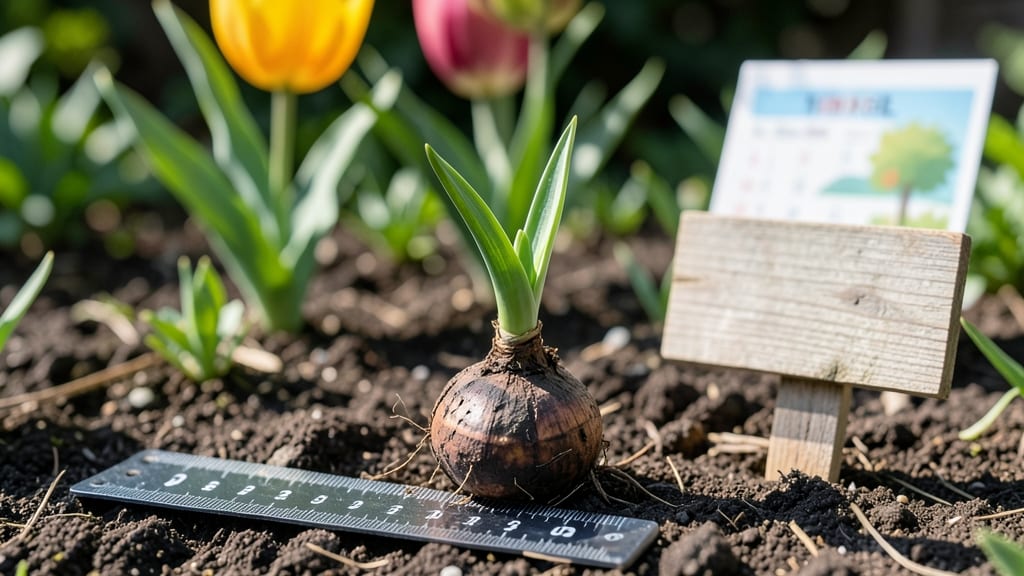
It takes bulbs between 2 to 12 weeks to sprout after planting, with tulips and daffodils usually emerging in 4-6 weeks, while hyacinths and crocuses may appear in just 2-4 weeks. The right soil conditions—warmth, moisture, and proper depth—can speed up this process significantly.
Timing varies dramatically based on bulb type and growing conditions. For example, tulips need a 12-16 week chilling period before planting, which explains their slower emergence compared to crocuses, which can sprout in as little as 2 weeks when planted in fall.
Soil temperature plays a huge role: most bulbs prefer 50-65°F for optimal growth, while moisture levels must stay consistent but not soggy. 💫 I’ve found that planting bulbs at the correct depth—typically 2-3 times their height—also helps prevent rot and encourages faster sprouting.
What’s interesting is how light exposure affects timing too. Some bulbs, like daffodils, can handle partial shade but still need consistent moisture to break dormancy. Others, like hyacinths, thrive in full sun but may take longer to emerge if planted too deep.
The key is balancing these factors while monitoring your garden’s microclimate.
💡 In This Article
- Factors Affecting Bulb Sprouting Time
- Speeding Up Bulb Germination: Pro Tips
Factors affecting bulb sprouting time
Every bulb follows a biological clock tied to its natural dormancy period. For instance, tulips require a 12-16 week chilling period at temperatures between 35-45°F to break dormancy, which is why they often take 4-6 weeks to sprout after planting.
This cold stratification mimics their native winter conditions, signaling the bulb that it's safe to grow.
In contrast, crocuses and snowdrops have minimal chilling needs—sometimes just 4-8 weeks—allowing them to emerge faster when planted in fall. 🌱 The key difference lies in their evolutionary adaptations: bulbs from colder climates need longer dormancy, while those from milder regions can sprout sooner.
Soil temperature acts as the primary trigger for germination. Most bulbs prefer 50-65°F soil temperatures to activate root growth, but extremes above 75°F or below 40°F can stall sprouting.
I’ve noticed that in my own garden, tulip shoots appear within 3-4 weeks when planted in 55°F soil, but daffodils—with their slightly shorter chilling needs—might emerge in just 2-3 weeks under the same conditions.
Moisture plays a secondary but critical role: too little causes dehydration, while excess water leads to rot, both of which delay or prevent sprouting.
Depth matters just as much as temperature. Planting bulbs too shallow (less than 2 times their height) exposes them to temperature fluctuations and drying winds, while burying them too deep (more than 3 times their height) can suffocate the shoot.
For example, a 2-inch tulip bulb should be planted 6-8 inches deep, while a 1-inch crocus only needs 2-3 inches of coverage.
This balance ensures the shoot has enough energy to break through the soil without struggling against resistance. 🌿 Light exposure also influences timing: bulbs like hyacinths, which prefer full sun, may sprout 1-2 weeks faster than shade-tolerant daffodils planted in partial shade.
Species-specific traits further complicate timing. Some bulbs, like alliums, produce multiple shoots from a single bulb, which can create the illusion of faster growth. Others, like fritillaries, have a 2-year dormancy cycle and may not flower until their second year.
Even within the same genus, variations exist: Dutch tulips often sprout in 4 weeks, while species tulips might take 6-8 weeks. Understanding these nuances helps gardeners set realistic expectations and troubleshoot delays.
Seasonal planting also shifts timelines. Fall-planted bulbs (like crocuses) can sprout in early spring, while spring-planted bulbs (like summer-flowering dahlias) may take 6-12 weeks to emerge.
The rule of thumb is to plant bulbs when soil temperatures are below 60°F but still workable—typically 6-8 weeks before the first frost for fall planting. This timing ensures roots establish before winter dormancy begins, setting the stage for faster spring emergence. 🌸