
Blooming
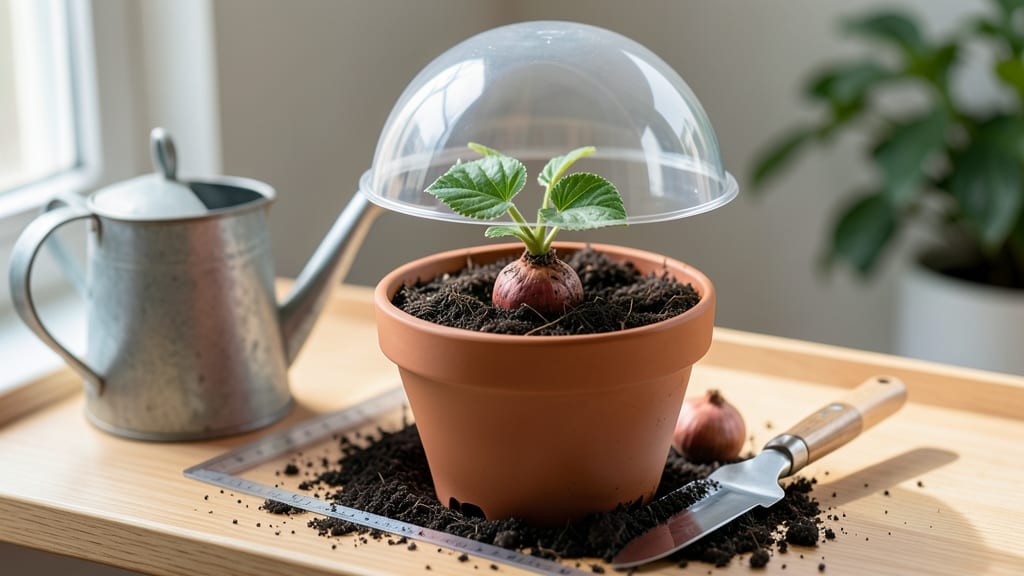
Begonia bulbs typically take 2 to 6 weeks to sprout under ideal conditions, but the wait can feel like forever if you’re not prepared.
Waiting for begonia bulbs to sprout can feel like an eternity—especially when you’ve carefully prepared your soil and chosen the perfect spot. But knowing the exact germination timeline helps you set realistic expectations and troubleshoot delays before they become problems.
Whether you’re growing tuberous, rhizomatous, or fibrous begonias 🌸, soil temperature, moisture, and light play a huge role in how quickly those first green shoots appear.
In this guide, I’ll break down the fastest ways to encourage sprouting, what to watch for, and how to fix common issues so you’re not left staring at dormant bulbs for months.
Begonia bulb germination timeline: days to sprouting by type and conditions
Understanding the begonia bulb germination timeline is half the battle when growing these stunning plants. The time it takes for your tuberous, rhizomatous, or fibrous begonias to sprout depends on bulb type, environmental conditions, and your planting approach.
For most gardeners, patience is key—especially when indoor conditions differ dramatically from outdoor planting zones.
I’ve grown begonias for over a decade, and I’ve learned that temperature consistency and moisture balance are the two biggest factors in speeding up sprouting. While some varieties pop up in as little as 7 days, others may take 6-8 weeks under less-than-ideal conditions.
Let’s break down the timelines by type and how to optimize your setup for faster results.
Tuberous begonias are the fastest to sprout, often breaking through the soil in just 2-4 weeks when conditions are perfect. These globe-shaped bulbs thrive in warm, humid environments and respond well to bottom heat.
I’ve seen them sprout in as little as 7 days when using a seedling heat mat set to 75°F. The key here is maintaining consistent moisture without waterlogging the soil.
Rhizomatous begonias, with their horizontal root systems, take longer to wake up—typically 3-6 weeks indoors. These varieties often need slightly cooler soil temperatures (around 60°F) to prevent rot while sprouting.
If you’re planting outdoors in USDA Zone 8 or higher, wait until nighttime temperatures stay above 55°F to avoid stunted growth.
Fibrous begonias are the slowest to germinate, often taking 4-8 weeks or longer, especially if planted outdoors before the last frost. These delicate root systems require gentle handling and well-draining soil to avoid fungal issues.
I recommend pre-soaking fibrous begonia bulbs for 12 hours in lukewarm water to kickstart the process.
Light plays a surprising role in germination speed. While begonias prefer indirect light once sprouted, they need bright conditions during dormancy to trigger growth. Place your planting containers near an east-facing window or under grow lights for 12-14 hours daily.
Direct sunlight can scorch tender sprouts, so use a sheer curtain if needed.
Humidity is another game-changer. Begonias originate from tropical regions, so they crave 60-70% humidity to sprout efficiently. If your home is dry, create a humidity dome using a clear plastic bag with holes or a propagation station. Mist the soil lightly every 2-3 days to maintain moisture without overwatering.
One common mistake I see is overwatering during the germination phase. Begonia bulbs rot quickly in soggy soil, which can delay sprouting by weeks. Stick your finger 1 inch into the soil—if it’s damp but not wet, you’re golden.
For indoor setups, use a well-draining mix of peat moss, perlite, and coco coir (50-30-20 ratio) to prevent waterlogging.
Outdoor planting adds another layer of variables. Soil temperature is critical—begonias won’t sprout until the ground reaches at least 60°F. Use a soil thermometer to monitor conditions, especially in cooler climates.
In Zone 6 or below, start bulbs indoors 8-10 weeks before your last frost date for a head start.
Pro tip: If your bulbs aren’t sprouting within double the expected time, check for dormancy. Some tuberous begonias need a cool, dry period (like winter) to break dormancy. Store unsprouted bulbs in a paper bag with peat moss in the fridge for 4-6 weeks before replanting.
5 Signs your begonia bulbs aren’t sprouting (and how to fix them)
Even with perfect conditions, begonia bulbs sometimes refuse to sprout, leaving gardeners frustrated. The key is identifying the early warning signs before rot or dormancy become permanent problems. Most issues stem from soil conditions, temperature mismatches, or physical damage during storage.
I’ve seen begonia bulbs take anywhere from 2 to 8 weeks to sprout, depending on variety and care. But if yours have been planted for 6+ weeks with no signs of life, it’s time to investigate. The good news? Most problems have simple fixes—if you catch them early.
⏰ How Long Does It Take for Begonia Bulbs to Sprout?
Under ideal conditions (70-75°F soil temp, high humidity, moist but not soggy soil), most begonia bulbs sprout in 3-6 weeks. Tuberous begonias often sprout fastest (2-4 weeks), while fibrous-rooted types may take 6-8 weeks. If no sprouts appear after 8 weeks, the bulb may be dormant or dead.
First, check for soft, mushy bulbs—this is the #1 sign of rot from overwatering or poor drainage. Gently remove the bulb from soil and inspect: if it smells foul or feels squishy, it’s likely rotted.
The fix? Reduce watering immediately and repot in fresh, sterile potting mix with perlite for aeration.
Next, look for shriveled or dry bulbs, which indicate underwatering or dormancy. Begonias naturally enter dormancy in winter, but if planted in spring, they should wake up with consistent moisture.
Soak the bulb in lukewarm water for 1 hour, then replant in warm soil (70°F+). Place the pot in a humidity tray to encourage sprouting.
If bulbs look plump but unchanged, they may need more light. Begonias need bright indirect light—move them to a south-facing window or under grow lights (12-14 hours/day).
Avoid direct sun, which can scorch tender sprouts. A simple test: If your fingers feel warm near the pot, the light is too intense.
For bulbs that sprout roots but no shoots, the issue is often nutrient deficiency or crowding. Gently separate any clustered bulbs and repot in fresh, well-draining mix with a slow-release fertilizer. Keep the soil moist but not wet and avoid fertilizing until you see green shoots.
When all else fails, test bulb viability: cut a small section and check for firm, white tissue. If it’s brown or hollow, the bulb is dead.
But if it’s firm, try replanting deeper (1-2 inches) in warm, humid conditions. With patience, even stubborn bulbs can surprise you with late sprouts!