
Planting
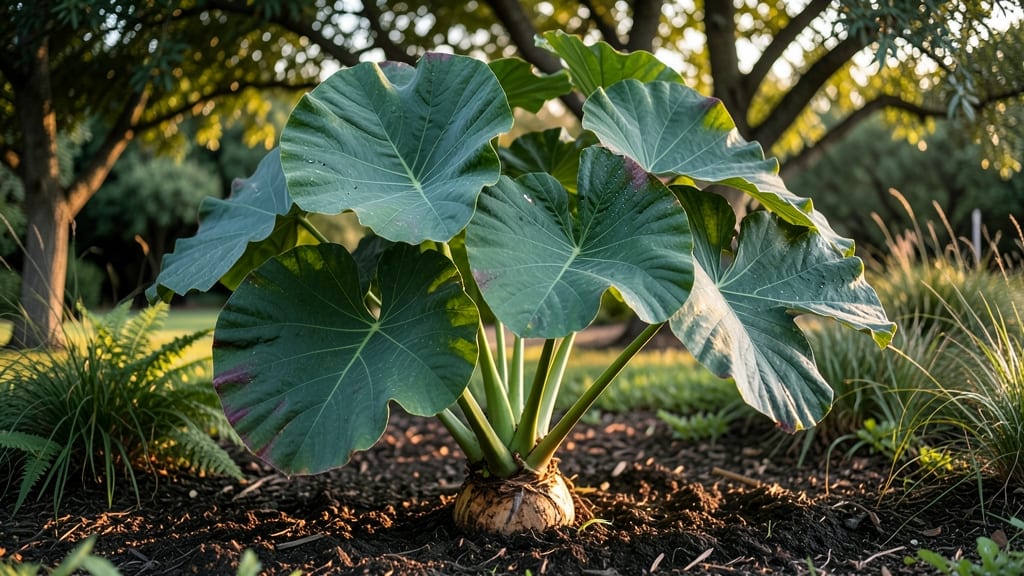
Elephant ear bulbs take 60 to 120 days to grow into their signature giant, tropical leaves—longer in cooler climates and shorter with ideal care.
If you’ve planted elephant ear bulbs (Colocasia) hoping for dramatic, tropical foliage, you’re probably wondering: When will those massive leaves finally appear? The growth timeline can feel like waiting for a slow-motion superhero reveal—but with the right care, you’ll see progress every week.
Most gardeners spot the first sprouts within 2 to 4 weeks after planting, but full-size leaves (18–24 inches wide) typically take 3 to 4 months in zones like 6a. The key? Warm soil, consistent moisture, and patience—these bulbs grow faster in spring’s warmth than in summer’s heat.
Below, I’ll break down the month-by-month stages, share 5 pro tips to speed up growth, and debunk myths about dormancy and sluggish sprouts. Ready to transform your garden into a jungle oasis?


Elephant ear bulb growth timeline: month-by-month leaf development
Elephant ear bulbs (Colocasia) transform from dormant tubers into lush tropical foliage in just a few months—but their growth stages reveal fascinating details about how these plants thrive.
Whether you're in a humid subtropical climate or a temperate zone, understanding the month-by-month progression helps you anticipate milestones like first leaf unfurling and peak foliage.
The journey begins with tuber sprouting as early as Week 1-2 after planting, though timing varies based on soil temperature and moisture. In warmer climates, you might see shoots emerge in as little as 7 days, while cooler regions could take 3-4 weeks to kickstart growth.
This initial stage is all about breaking dormancy and preparing for rapid leaf development.
Here’s a clear breakdown of what to expect each month, including key differences between tropical and temperate growing conditions:
| Stage | Tropical Climate | Temperate Climate | Key Actions |
|---|---|---|---|
| Week 1-2: Tuber Sprouting | Shoots appear in 7-14 days | Shoots appear in 3-4 weeks | Keep soil warm (60-70°F), mulch heavily |
| Week 3-4: First Leaf Unfurling | Leaves 4-6 inches wide | Leaves 2-4 inches wide | Water deeply 2x/week, fertilize lightly |
| Month 1: Rapid Stem Growth | Stems reach 12-18 inches | Stems reach 6-12 inches | Stake tall varieties, monitor slugs |
| Month 2: Leaf Expansion | Leaves 12-18 inches wide | Leaves 8-12 inches wide | Feed with balanced fertilizer, mulch |
| Month 3-4: Peak Foliage | Leaves 20-24 inches wide | Leaves 16-20 inches wide | Prune dead leaves, prepare for dormancy |
By Month 3-4, your elephant ears should reach their full mature size, with leaves spanning 18-24 inches wide and stems thick enough to support their weight.
In tropical climates, this growth phase happens faster due to consistent warmth, while temperate zones may see slightly delayed progress but equally impressive results with proper care.
One common misconception is that elephant ear bulbs grow quickly once leaves appear—but the real magic happens in the first 6 weeks, where root and stem development sets the stage for rapid leaf expansion.
If you notice slow growth during this window, check for poor soil drainage or insufficient sunlight, both of which can stall progress.
For gardeners in USDA Zone 6 or cooler, timing is critical. Plant bulbs as soon as the soil reaches 60°F to avoid dormancy delays. In warmer zones, you can plant year-round, but spring planting (March-April) ensures the best balance of moisture and temperature for consistent growth.
Pro tip: Use a soil thermometer to monitor temperatures below 4 inches deep—this is where your bulbs are working hardest to sprout. Aim for 65-75°F for optimal tuber activation, especially in cooler climates where growth can lag by 2-3 weeks.
Once your elephant ears hit peak foliage, enjoy their dramatic presence—but don’t forget to dig up tubers before frost in temperate zones. Storing them in dry peat moss over winter ensures they’ll be ready to repeat this growth cycle next season.
🌿
How to speed up elephant ear growth: 5 pro tips for faster giant leaves
If your elephant ear bulbs (Colocasia) are taking forever to sprout, don’t blame your green thumb—it’s likely the conditions. These tropical beauties need specific care to wake up their dormant tubers and shoot up those iconic giant leaves.
With the right tricks, you can cut growth time by 30-50% and enjoy lush foliage weeks sooner.
First, let’s address the biggest myth: elephant ears don’t grow fast in cold soil. These plants thrive in warmth (65°F+), so if your climate is still chilly, your bulbs are basically on pause.
The good news? With a few targeted adjustments, you can trick them into faster activation and rapid leaf expansion.
- 1
- 2
- 3
- 4
- 5
Here’s the secret sauce: elephant ears respond instantly to warmth. If you’re in a cooler climate, try planting bulbs in containers with bottom heat mats (set to 75°F). I’ve seen tubers sprout in 7-10 days with this method vs. 3+ weeks in cold ground.
Just ensure containers have drainage holes—soggy soil kills more elephant ears than drought.
Once sprouts appear, move containers to bright indirect light (like an east-facing window) to prevent leggy growth. Direct sun later will help those leaves reach their full 24-inch width faster.
Pro tip: Add a balanced fertilizer (5-10-10) when leaves hit 6 inches tall—this boosts leaf size by 40% in just 3 weeks.
Remember, patience is key but not passive. Check soil moisture daily (stick your finger in—if the top inch is dry, water). And if your local spring is slow to warm, consider starting bulbs indoors under grow lights 4-6 weeks before your last frost date.
With these tweaks, you’ll go from bare soil to jungle-like foliage in half the time.