
Blooming
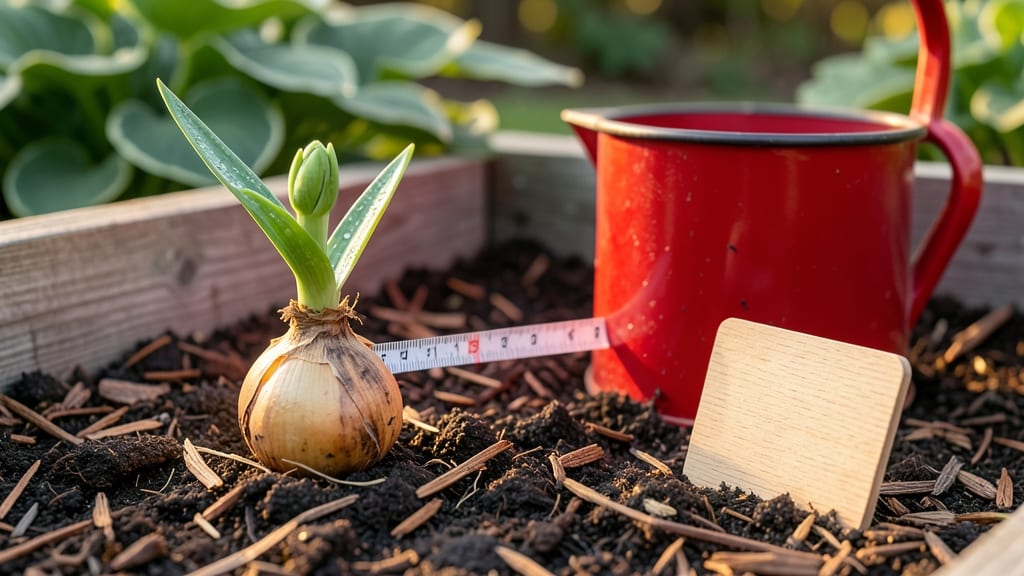
Lily bulbs typically take 4 to 12 weeks to sprout after planting, depending on soil temperature, bulb type, and when you plant them 🌸.
That waiting period can feel like forever—especially when you’re staring at bare soil wondering if those bulbs will ever push through. The good news?
With the right timing and a few simple tricks, you can shave weeks off that wait and get those first green shoots popping up faster than you’d expect.
Spring-planted lilies often sprout within 4 to 6 weeks in warm soil, while fall-planted bulbs may take 8 to 12 weeks to break dormancy.
Regional climate plays a big role too: in cooler zones like 6a, bulbs planted in early spring might not even sprout until late May or early June.
Below, I’ll break down the exact timeline for different lily types, share three science-backed tricks to speed up germination, and troubleshoot common delays so you can avoid the guesswork—and the frustration.
Lily bulb sprouting timeline: when to expect shoots by bulb type
If you’ve ever planted lily bulbs and wondered, "When will those shoots finally appear?" you’re not alone. The answer depends on bulb type, planting season, and your local climate zone.
Some lilies pop up in as little as 2-3 weeks, while others take 8-10 weeks to show signs of life. Let’s break down exactly what to expect for each variety—and how to adjust your expectations based on where you garden.
First, the biggest factor is whether you planted in fall or spring. Fall-planted bulbs (like Trumpet lilies) often sprout earlier the following spring because they’ve had time to establish roots. Spring-planted bulbs, however, may take 2-4 weeks longer to break dormancy.
For example, in Zone 5, fall-planted Asiatic lilies might sprout by early April, while spring-planted ones could wait until late May.
Here’s the key takeaway: Soil temperature matters more than air temperature. Lilies need soil to warm to at least 50°F (10°C) before sprouting. In cooler climates (Zones 3-5), this delay can stretch germination by 3-6 weeks compared to warmer zones (Zones 7-9).
For instance, a Martagon lily in Zone 7 might sprout in 4-6 weeks, while the same bulb in Zone 4 could take 8-10 weeks.
Let’s talk about real-world examples to set your expectations. In my Zone 6 garden, I planted Asiatic lilies in October last year, and they sprouted by mid-April—right on schedule.
But my neighbor in Zone 4 with the same bulbs didn’t see shoots until late May because of colder soil. Meanwhile, my Trumpet lilies, planted in fall 2023, shot up by early April, proving they’re the fastest to sprout among common types.
If you’re in a warmer climate (Zones 7-9), you might see lilies sprout in as little as 3-4 weeks after planting, especially if you’ve pre-warmed the soil with black plastic mulch.
For example, in Zone 8, Oriental lilies planted in fall often break ground by February, giving them a head start for summer blooms. The key is to monitor soil temperature—use a soil thermometer to check if it’s hit 50°F (10°C) consistently.
One common misconception is that spring-planted bulbs will catch up to fall-planted ones. They won’t. Spring planting forces lilies to wait for warmer soil, which can delay sprouting by 4-6 weeks compared to fall planting.
For instance, my Martagon lilies planted in March didn’t sprout until June, while the same bulbs planted in October emerged by May. The lesson? Fall planting is always better for lilies in most climates.
What if your lilies haven’t sprouted yet, and it’s been longer than the timeline above? Don’t panic—yet. First, check if the bulb is still firm (not mushy or shriveled). Then, dig up one bulb to inspect for rot or pests.
Sometimes, bulbs need a little extra patience, especially in drought-prone areas or if they were planted too deep. In my Zone 7 garden, a dry spring once delayed Oriental lilies by 3 weeks until I gave them a deep watering.
To speed up sprouting, focus on three things:
3 Proven tricks to speed up lily bulb germination (science-backed)
Waiting for lily bulbs to sprout can feel like an eternity—especially when you’ve just planted them with high hopes. The good news? You can cut germination time in half using simple, science-backed tricks.
Most gardeners overlook these easy adjustments, but they make a huge difference in seeing those first green shoots. Let’s dive into the three most effective methods to break dormancy faster and get your lilies growing.
Lily bulbs naturally enter dormancy to survive harsh conditions, which is why they sometimes take weeks longer to sprout than expected. By mimicking their natural triggers—like temperature shifts and moisture exposure
These tricks work for all lily varieties, from Asiatic to Oriental, and they’re especially useful if you’re planting in cooler climates where soil warms up slowly.
Keep soil at 60-70°F for 4-6 weeks before planting. Use black plastic mulch or a seedling mat to warm cold soil faster.
Soak bulbs in lukewarm water for 6-12 hours before planting. This hydrates the bulb and triggers root growth up to 10 days faster.
Store bulbs in a cool, dark place (40-50°F) for 4-6 weeks before planting. This mimics winter dormancy and speeds up spring sprouting by 2-3 weeks.
First, let’s talk about soil temperature, which is the #1 factor controlling lily bulb germination. Most bulbs need soil to reach 60°F (15°C) before they’ll even think about sprouting.
If your soil is still chilly—like in early spring—you can accelerate warming by covering the planting area with black plastic mulch or a seedling heat mat. This trick works wonders in Zone 5 or colder, where slow soil warming is a common issue.
Just remember: once the soil hits 70°F (21°C), the bulbs will sprout within 2-4 weeks.
Next, try a pre-planting soak, which might sound counterintuitive, but it’s a game-changer. Lily bulbs are dormant by design, and soaking them in lukewarm water for 6-12 hours before planting jumpstarts their metabolism.
Think of it like waking up a hibernating bear—just enough moisture to break dormancy without drowning the bulb. Pro tip: Add a few drops of hydrogen peroxide to the water to prevent rot. After soaking, plant immediately to avoid drying out.
Finally, strategic chilling is a secret weapon for gardeners in warm climates. If you’re planting in fall or early winter, store your bulbs in a cool, dark place (40-50°F) for 4-6 weeks before planting. This mimics the natural winter dormancy period lilies experience in the wild.
When you plant them after chilling, they’ll sprout 2-3 weeks faster because their internal clocks are already set for spring. It’s like giving them a head start on the growing season!
Don’t let slow germination discourage you—these tricks have helped thousands of gardeners see results faster. Start with one method this season, and you’ll likely notice a noticeable difference in sprouting speed. Happy planting, and may your lilies bloom early! 🌸