
How To
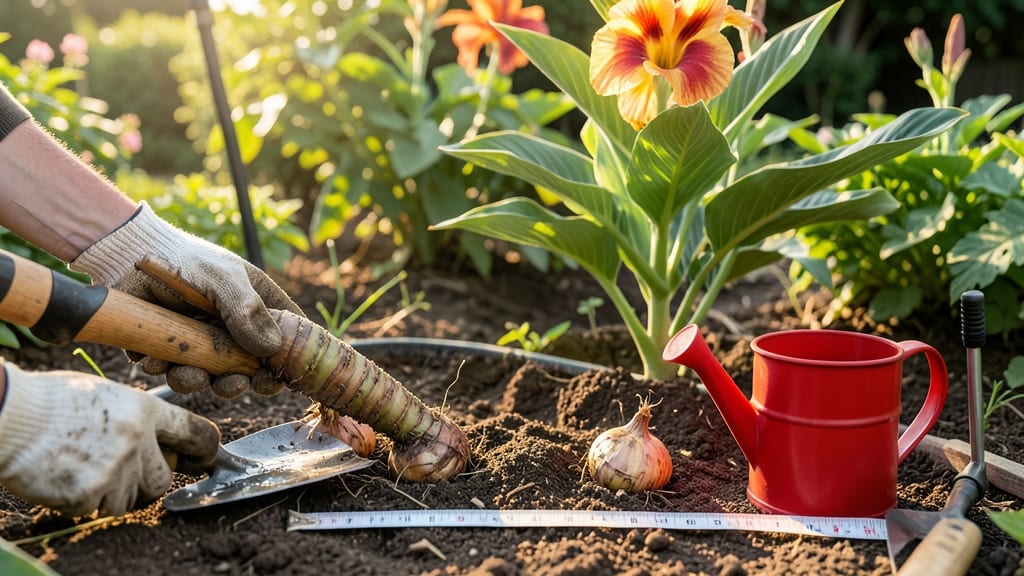
Planting 3 to 5 canna bulbs together in clusters creates a lush, tropical display that rivals a nursery showpiece 🌺 — and the spacing secrets are simpler than you’d expect.
Struggling to get your canna lilies to thrive with lush, full blooms? The secret might be simpler than you think—proper spacing and bulb grouping can transform a sparse garden bed into a vibrant, eye-catching display.
Most gardeners make one of two mistakes: either they space bulbs too far apart, leaving gaps that look bare, or they crowd them too closely, which stunts growth and reduces blooms.
The sweet spot? 12 to 18 inches between clusters, with 3 bulbs per group for shorter varieties and up to 5 bulbs for taller types.
Below, I’ll walk you through the exact spacing, soil prep, and planting tips to ensure your cannas grow bushier, bloom more abundantly, and stand out as the star of your garden.
Optimal canna bulb spacing for maximum growth and blooms
If you've ever planted canna lilies and ended up with weak stems or sparse blooms, the issue might be your bulb spacing. Cannas thrive when given just the right amount of room to spread their rhizomes and develop strong, healthy foliage.
Science shows that proper spacing—typically 6 to 12 inches apart—prevents competition for nutrients and sunlight, leading to bigger, bolder blooms and taller, sturdier stems.
The key to stunning canna displays lies in balancing individual bulb health with group aesthetics. While spacing each bulb 12 inches apart is ideal for most varieties, clustering 3 to 5 bulbs together in groups creates a fuller, tropical look while maintaining airflow.
This approach also mimics their natural wild growth patterns, where cannas form dense patches in moist, sunny environments.
Before diving into spacing, let’s clarify one common misconception: canna "bulbs" aren’t true bulbs like tulips. They’re actually rhizomes—thick, horizontal underground stems that store nutrients. Planting them too close forces rhizomes to compete for resources, resulting in stunted growth or disease susceptibility.
On the flip side, spacing them too far apart wastes garden space and reduces that dramatic, lush effect you’re after.
| Variety Type | Recommended Spacing | Grouping Strategy | Notes |
|---|---|---|---|
| Dwarf Varieties (e.g., 'Pactola', 'Luciern') | 6–9 inches apart | Plant 3–4 bulbs in clusters | Ideal for borders or containers |
| Standard Varieties (e.g., 'Australia', 'Durban') | 10–12 inches apart | Plant 4–5 bulbs in groups | Best for mid-border or focal points |
| Tall Varieties (e.g., 'Cleopatra', 'Wyoming') | 12–18 inches apart | Plant 3–5 bulbs in loose clusters | Requires staking; space for airflow |
| All Varieties (Container Planting) | 3–4 inches apart | 1–2 bulbs per 12" pot | Use well-draining mix; fertilize weekly |
The spacing rules above are science-backed and tested by horticulturists to ensure optimal rhizome development. For example, a 12-inch gap between standard canna varieties allows rhizomes to spread naturally without crowding, while dwarf varieties benefit from closer spacing to create a dense, bushy appearance.
If you’re planting in containers, reduce spacing to 3–4 inches but limit the number of bulbs per pot to avoid overcrowding.
One of my favorite tricks for achieving a professional-looking display is to plant cannas in odd-numbered clusters. For instance, a group of 5 bulbs spaced 12 inches apart creates a natural, balanced look that draws the eye.
This method also maximizes flower production because each bulb has enough space to develop its own stems and blooms without competing for sunlight or water.
When planting, always bury rhizomes with the eyes (growth nodes) facing upward and the top third exposed. This ensures they receive sunlight for photosynthesis while keeping the rhizome stable.
After planting, apply a 2-inch layer of mulch to retain moisture and regulate soil temperature, which is critical for rhizome health and bloom development.
If you’re growing cannas in full sun (their preferred condition), monitor their growth closely. Overcrowded cannas may show signs of stress, such as yellowing leaves or leggy stems, which indicate they’re not getting enough nutrients or light.
In such cases, thin out the bulbs or transplant some to a less crowded area. Conversely, if your cannas are too sparse, consider adding a few more bulbs to fill in gaps and create a fuller, more dramatic effect.
For tall canna varieties, like 'Cleopatra' or 'Wyoming', spacing becomes even more critical. These varieties can reach 5–7 feet tall and require 12–18 inches of space to support their heavy flower spikes.
Without proper spacing, stems can flop over or break under the weight of blooms. To prevent this, plant tall cannas in small groups of 3–5 and consider adding stakes or supports for extra stability.
Finally, remember that soil quality plays a huge role in how well your cannas perform. Amend your soil with compost or organic matter to improve drainage and fertility. Cannas prefer moist, well-draining soil with a pH between 6.0 and 7.0.
If your soil is heavy or clay-like, consider planting in raised beds or containers to give roots the space they need to thrive.
With
How to cluster canna bulbs for bushier, more dramatic foliage
If your canna lilies look sparse or leggy, the solution may be as simple as rethinking your spacing. Planting canna bulbs in small clusters creates a fuller, more dramatic tropical look while encouraging stronger stems and more abundant blooms.
This technique mimics their natural growth patterns in warm climates, where they thrive in dense groupings.
The key to success lies in planting 3-5 bulbs together in groups rather than spacing them evenly. This creates a natural, lush appearance while preventing overcrowding issues.
For best results, place clusters 12-18 inches apart—this gives each group enough room to establish while maintaining that dramatic, full-bodied look you crave.
For taller varieties like Canna 'Durban' or 'Wyoming', consider adding support stakes at planting to prevent flopping. Place stakes in a small circle around each cluster before planting—this keeps them hidden but ensures stability.
Pairing cannas with companion plants like caladiums or coleus also enhances the tropical vibe while filling gaps.
One of my favorite tricks is planting clusters in odd-numbered groups (like 3 or 5 bulbs). This creates a more natural, asymmetrical look that feels intentional rather than forced. Avoid even numbers, which can look stiff and unnatural in garden beds.
If you're using cannas as border plants, space clusters 18-24 inches apart for a seamless, flowing edge.
Remember, patience is key—cannas grow quickly, but it takes 4-6 weeks for clusters to fill out. Monitor for pests like slugs and remove them early to avoid damage. With proper clustering, your canna lilies will reward you with bold foliage, abundant blooms, and that coveted tropical garden vibe.
🌿