
Light Requirements
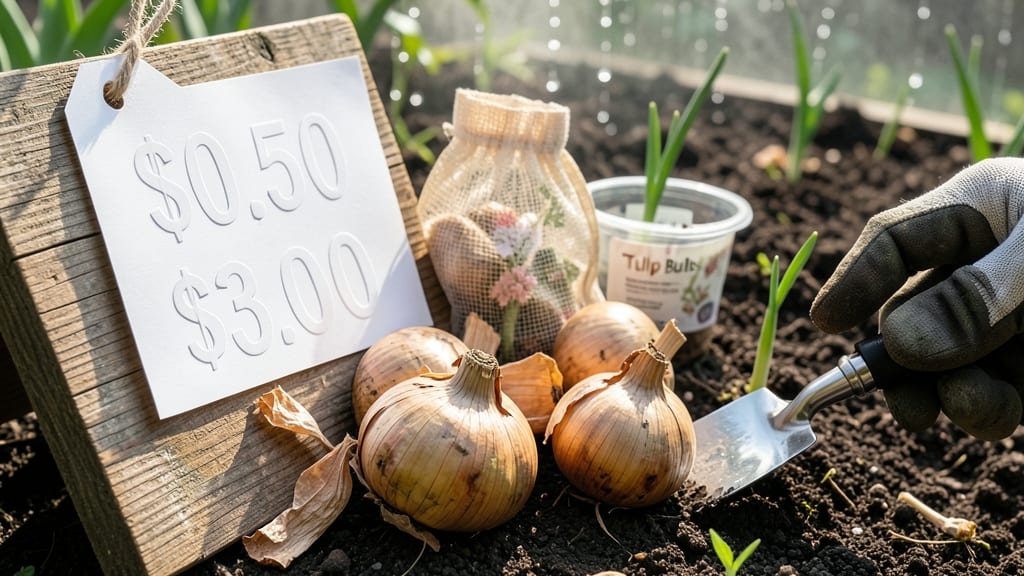
Tulip bulbs typically range from $1 to $10 each, influenced by factors like variety, bulb size, and rarity. Standard varieties like Darwin Hybrids usually fall between $2 and $5, while prized heirlooms can exceed $10. Buying in bulk packs of 10–25 bulbs often cuts costs by 30–50%.
The price you pay for tulip bulbs depends heavily on their size and quality.
Larger bulbs (like 10/0 or 11/0 grades) produce bigger, more vibrant blooms and cost more than smaller ones, while heirloom varieties—such as 'Queen of Night' or 'Black Parrot'—can fetch premium prices due to their uniqueness. 🌷 For example, a single rare tulip bulb might cost $15 or more, but you can often find bulk discounts at garden centers or online retailers during off-season sales.
Planning ahead for these deals can save you a significant amount, especially if you're planting a large garden.
Another key factor is where you shop: local nurseries may offer fresher stock but at slightly higher prices, while online stores like BulbShop or Etsy often provide better bulk rates. Even auction sites like eBay can be surprisingly affordable if you're patient and monitor listings.
The best time to buy is typically in late summer or early fall, when suppliers clear out inventory before winter dormancy.
💡 In This Article
- Tulip Bulb Pricing Factors: Size, Grade, and Variety
- Best Places to Buy Tulip Bulbs for Budget and Quality
Tulip bulb pricing factors: size, grade, and variety
The size of a tulip bulb directly correlates with its price because larger bulbs produce more substantial, showier blooms. Bulbs are graded using a numbering system where 10/0 is the largest (typically 2.5–3 inches in diameter) and 12/0 is the smallest (1.5–2 inches).
A single 10/0 bulb can cost $3–$7, while smaller 12/0 bulbs might range from $1–$3. The difference isn’t just about aesthetics—larger bulbs also store more energy, resulting in stronger stems and longer vase life. 🌷
Variety plays an equally critical role in pricing. Common tulips like Darwin Hybrids or Parrot tulips typically cost $2–$5 each, but heirloom varieties—such as the 'Queen of Night' (a deep purple-black tulip) or 'Black Parrot'—can jump to $10–$20 due to their rarity and historical significance.
These premium varieties often have unique genetic traits or limited availability, making them highly sought after by collectors. Even within species, color intensity matters: vibrant reds or whites with perfect symmetry command higher prices than paler, less uniform blooms.
Grading systems (like A, B, or C) further refine pricing tiers. Grade A bulbs are the largest, firmest, and most disease-free, often priced 20–30% higher than Grade B or C bulbs.
For example, a 10/0 Grade A 'Queen of Night' bulb might cost $15, while the same variety in Grade B could drop to $8–$10. The trade-off?
Grade A bulbs guarantee bigger, healthier blooms, while lower grades may still produce flowers but with slightly smaller or less vibrant results. 💛
Seasonality also impacts pricing indirectly. Bulbs planted in fall (their natural dormant period) cost more because suppliers prioritize fresh stock, while spring sales often slash prices by 40–50% as retailers clear out inventory.
This is why savvy gardeners stock up in late summer or early fall when prices peak but quality is guaranteed. Conversely, buying in spring risks receiving smaller, weaker bulbs that may not bloom as robustly.
One often-overlooked factor is bulb health. Disease-free bulbs (certified by suppliers) cost more upfront but reduce long-term risks of rot or poor growth. For instance, a 'Fransen' tulip bulb infected with tulip fire (a fungal disease) might sell for $3 but could fail to bloom entirely.
Investing in certified bulbs from reputable sellers—like Bare Root Nursery or John Scheepers—ensures better performance and justifies higher prices. ✨
Finally, consider the bulb's reproductive potential. Some varieties, like 'Peach Blush', produce offsets (smaller bulbs) that can be replanted, offering long-term value. Others, like 'Cottage Pink', may not offset as reliably, making them a one-time purchase.
This lifecycle factor can influence whether a $5 bulb is a wise investment for future gardens.