
Container Gardens
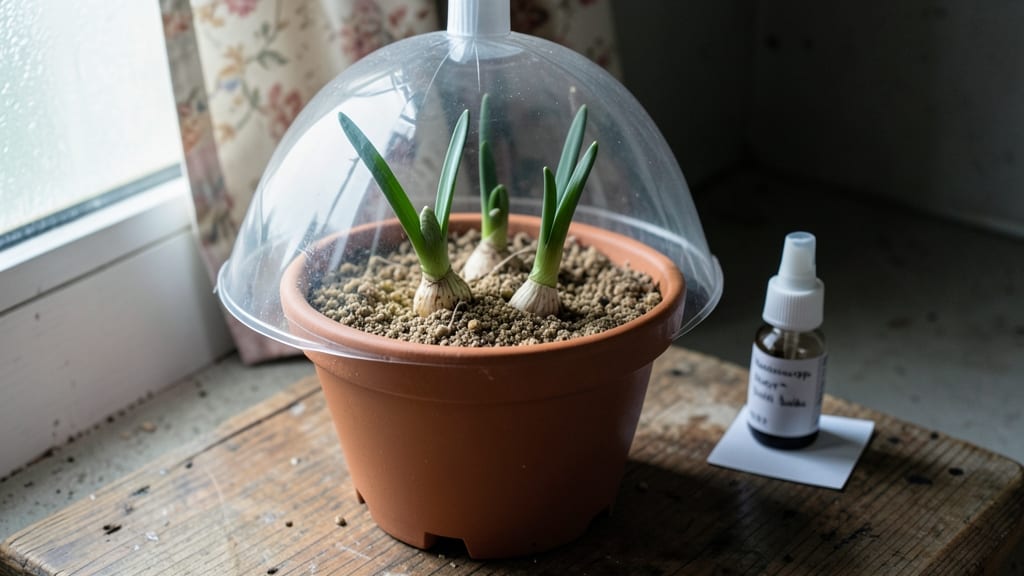
Forcing daffodil bulbs indoors means brightening your home with cheerful blooms weeks before spring arrives. 🌱 I’ve forced hundreds of bulbs over the years, and the key to success lies in mimicking winter’s natural chilling period—something store-bought flowers can’t compete with.
The process is straightforward once you know the timing, containers, and light requirements that turn dormant bulbs into vibrant displays.
You’ll need just a few supplies: paperwhite daffodil bulbs (or other forcing varieties), a shallow container, well-draining potting mix, and a dark, cool spot for chilling. The secret weapon? A 6-8 week cold treatment at 35-45°F—this mimics winter’s dormancy and triggers blooming.
Skip this step, and your bulbs may never flower indoors. Once chilled, place them in bright, indirect light and watch roots and shoots emerge within days.
By the time your forced daffodils bloom, you’ll have weeks of indoor color—far longer than cut flowers last. The fragrance alone makes it worth the effort, and you can display them in bowls, vases, or even repurpose containers like vintage teacups.
Troubleshooting is simple: too much light? Move them back. Mold? Reduce watering. Premature sprouting? Adjust your chilling time.
This method works for any indoor space, from sunrooms to kitchen counters. Once you’ve mastered it, you’ll never wait for spring again—just a few bulbs and patience to transform your home into a burst of early-season cheer. Ready to try it?
📚 In This Guide
- What you need
- Instructions
- Tips and common mistakes
- Wrapping up and next steps
What you need
- ● Daffodil bulbs: Choose paperwhite or Jonquil varieties (they’re the easiest to force indoors). Buy 3–5 bulbs per container for a full bloom display.
- ● Well-draining potting mix: A 6-inch pot or shallow container with drainage holes (use a mix labeled for bulbs or amend regular potting soil with 20% perlite or sand).
- ○ Peat moss or coconut coir: 1–2 inches (optional but helps retain moisture without soggy soil).
- ● Gravel or small rocks: 1–2 inches (for drainage at the bottom of the pot).
- ● Trowel or spoon: For planting and layering soil.
- ● Watering can or spray bottle: Gentle watering prevents bulb rot.
- ○ Clear plastic bag or cling wrap: (Optional) To create a humidity dome while sprouting.
- ● Cool, dark space: A closet, basement, or garage (keep temps between 35–45°F for 8–12 weeks).
- ● Bright, indirect light: Move pots to a sunny windowsill (6+ hours/day) once shoots appear.
Step-by-step instructions for forcing daffodil bulbs indoors
Here's how to coax those cheerful blooms indoors—no greenhouse needed.
🌱 Step 1: Select and Prep the Bulbs for Chilling
Pick firm, plump daffodil bulbs with no soft spots or mold. Smaller bulbs (about 2-3 inches in diameter) produce the earliest blooms, so choose accordingly. The key is a proper chilling period—daffodils need 12-16 weeks in 35-45°F conditions to break dormancy. I use a refrigerator's crisper drawer (not the freezer) because it stays consistently cool and humid.
Place the bulbs in a shallow container with their necks exposed and roots facing down. You don’t need soil yet—just a way to keep them from rolling around. I like to nestle them in a layer of damp peat moss or vermiculite to maintain moisture without rotting. Check weekly and mist lightly if the medium feels dry to the touch. This chilling phase is non-negotiable; skipping it means no blooms.
⏰ Step 2: Plant and Pot Up for Forcing
After your 12-16 week chilling period, remove the bulbs and plant them in 4-6 inch pots filled with well-draining potting mix. Use one bulb per pot to avoid overcrowding, which stunts growth. Press the soil gently around the bulb so it sits halfway exposed—this mimics their natural outdoor position and encourages strong stems. Water lightly until moisture seeps from the drainage holes, but don’t soak the soil.
Place the pots in a dark, cool spot (like a closet or under a bed) for 2-3 weeks2-3 weeks, move the pots to bright, indirect light (a north-facing window works best).
☀️ Step 3: Provide Light and Care for Blooming
Once you see the first green shoot (about 3-4 inches tall12-14 hours of light daily. A south or west window or a grow light 6-12 inches above the plants works well. Daffodils need light to flower, but too much direct sun too soon can scorch tender leaves. Rotate the pots weekly so the stems grow straight—you’ll notice them leaning toward the light if you don’t.
Water when the top inch of soil feels dry, but avoid soggy soil. Overwatering causes bulb rot, which kills the plant overnight. Fertilize lightly with a balanced liquid fertilizer (10-10-10) diluted to half strength when buds form. You’ll see buds appear in 4-6 weeks after the first shoot—this is the payoff! Keep the soil consistently moist but not wet, and the blooms will last 1-2 weeks indoors.
✂️ Step 4: Extend Blooms and Care for Post-Flowering
To prolong the display, keep the plant in bright light and water regularly. Once the blooms fade, don’t cut the stems—let the foliage yellow naturally. This process feeds the bulb for next year. After 6-8 weeks of yellowing leaves, you can remove the plant. If you want to reuse the bulb, plant it outdoors in fall after the foliage dies back completely. If not, compost it—it’s done its job.
Here’s the thing—forced daffodils are annuals in this process. But the joy of watching those bright blooms arrive weeks before spring makes it worth it. I’ve forced bulbs as late as January and still gotten flowers by Valentine’s Day. The secret? Stay patient during chilling, and don’t rush the light transition. Your reward is a burst of color when you need it most.
Tips & tricks for perfect indoor daffodil blooms
Forcing daffodils indoors is all about patience and precision—here's how to avoid common pitfalls and get those cheerful blooms right on schedule.
Chilling Precision: The 12-16 week chilling period at 35-45°F is non-negotiable, but consistency matters more than exact timing. I've found that using a refrigerator's crisper drawer with a hygrometer (to monitor humidity) prevents mold while maintaining the right conditions. If your fridge fluctuates, consider a dedicated cool dark space with a thermometer—daffodils won't bloom if temperatures creep above 45°F. The key is steady coolness, not exact weeks.
Light Transition Strategy: That 2-3 week dark period after potting is critical for root development, but don't rush into bright light too soon. I've seen stems grow lanky and weak when moved to sunlight prematurely. Start with bright indirect light (like a north window) and gradually increase exposure over 3-4 days before moving to full 12-14 hours of light. This gradual transition prevents sunburn on tender new growth.
Watering Wisdom: The instructions mention watering when the top inch feels dry, but here's what nobody tells you—daffodils hate soggy soil. I use terracotta pots with drainage holes and water from the bottom by placing pots in 1 inch of water for 10-15 minutes twice weekly. This prevents bulb rot while keeping roots consistently moist. The half-exposed bulb position helps prevent moisture buildup around the neck.
Fertilizer Timing: That 10-10-10 fertilizer should only be applied when buds form, but here's the secret: use it very lightly. I mix just ¼ teaspoon per gallon of water—half the recommended strength—to avoid burning tender roots. Too much fertilizer too soon can cause rapid leaf growth at the expense of blooms. Think of it as a gentle nudge, not a feeding frenzy.
Pro Tips for Force Daffodil Bulbs Indoors
- Forcing daffodils indoors is all about patience and precision—here's how to avoid common pitfalls and get those cheerful blooms right on schedule.
- Chilling Precision: The 12-16 week chilling period at 35-45°F is non-negotiable, but consistency matters more than exact timing.
- Light Transition Strategy: That 2-3 week dark period after potting is critical for root development, but don't rush into bright light too soon.
Frequently asked questions
Got questions about forcing daffodil bulbs indoors? You’re not alone! Here are answers to the most common concerns to help you bloom early with confidence.
Can I force daffodil bulbs from any store-bought variety?
Not all daffodils respond well to indoor forcing. Look for paperwhite narcissus or Jonquil varieties—they’re bred specifically for indoor blooming. Avoid hybrid or garden daffodils unless they’re labeled "forcing-friendly." Check the bulb packaging for forcing instructions!
How long does it take for daffodils to bloom indoors?
With the right conditions, you’ll see buds in 6–10 weeks. The key is patience! Bulbs need a cold period (6–8 weeks at 35–45°F) followed by warmth (60–70°F) to trigger blooms. Track your timeline to adjust lighting or temperature if needed.
What if my bulbs aren’t sprouting after chilling?
Don’t panic! First, check moisture—bulbs should feel lightly damp but not soggy. If they’re still dormant, extend the chilling time by 1–2 weeks. If mold appears, discard the bulb and sterilize your container. Pro tip: A gentle tap on the bulb’s base can sometimes wake it up!
Can I reuse forced daffodil bulbs outdoors?
Yes! After blooming, let the foliage yellow and die back naturally (4–6 weeks). Plant them outdoors in well-draining soil, and they’ll often rebloom in future seasons. Just avoid forcing them again—they need outdoor energy to regenerate.
What’s the best light source for indoor daffodils?
Place your bulbs near a south- or east-facing window for 12–14 hours of light daily. If natural light is lacking, supplement with a grow light (12 inches away) for 8–10 hours. Avoid direct hot sunlight, which can scorch delicate leaves.
Do I need a special fridge for chilling bulbs?
Nope! Your fridge’s crisper drawer (set to 35–45°F) works perfectly. Just wrap bulbs in paper to prevent moisture buildup. Avoid the freezer—temperature swings can damage them. For extra peace of mind, a cool basement or garage also works!
Wrapping up and next steps
Forcing daffodil bulbs indoors is a rewarding way to welcome spring early—whether you’re craving a burst of color in winter or just love the magic of blooms on your windowsill! 🌸 With the right bulbs, a little patience, and our foolproof steps, you’ll soon enjoy vibrant yellows, whites, and oranges brightening your space.
The key? Timing, consistency, and a cozy, dark environment—just like nature intended.
Now that you’re ready to dive in, why not share your progress with fellow plant lovers? Snap a photo of your blooming beauties or tag us in your forcing journey—we’d love to see your indoor garden come to life! 📸✨ Happy forcing!