
Propagation
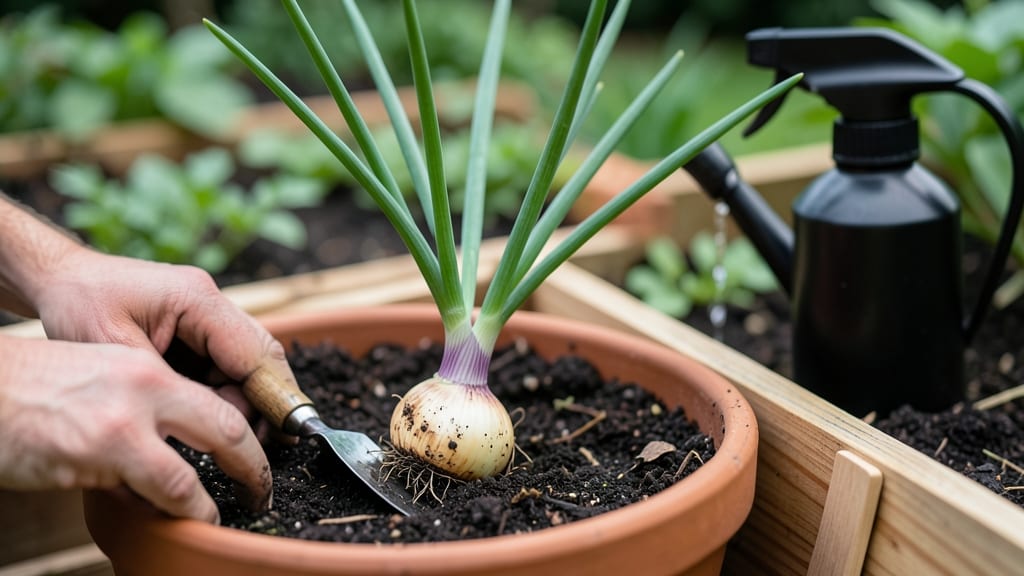
Growing scallions from bulbs is the easiest way to get fresh green onions in weeks—not months. 🌱 I’ve regrown scallions from grocery store stubs so many times that my kitchen counter now has a permanent pot of them. The secret? A shallow container, consistent moisture, and a sunny windowsill.
Start with 3-4-inch bulbs (the longer, the better) and place them in 2-3 inches of water—just enough to cover the roots. Change the water every 2-3 days to prevent rot, and within 1-2 weeks, you’ll see 1-inch sprouts. No soil needed, no fancy tools—just patience and sunlight.
By week 3, you’ll have 6-inch green onions ready to snip for cooking. They stay productive for 4-6 weeks, giving you a steady supply. The best part? If you keep trimming them, they’ll keep growing—no replanting, no waiting for seeds.
Troubleshooting is simple: yellow leaves? Too much sun. Mushy bulbs? Overwatering. Slow growth? Move to a brighter spot. This method works year-round, even in small apartments. Ready to try it?
📚 In This Guide
- What you need
- Instructions
- Tips and common mistakes
- Wrapping up and next steps
What you need
- ● Scallion bulbs: 3–5 fresh, firm bulbs (store-bought or homegrown). Choose ones with green tops still attached for best regrowth.
- ● Container: A shallow dish (e.g., a 6-inch-wide plate, saucer, or small bowl) with at least 1-inch water depth.
- ● Water: Room-temperature tap water (avoid chlorinated water—let it sit out for 24 hours if needed).
- ● Cutting tool: A sharp knife or kitchen scissors (sterilized with rubbing alcohol).
- ● Paper towels or clean cloth: To blot excess moisture after trimming.
- ● Spray bottle: For gentle misting if the air is dry.
- ● Sunny windowsill or grow light: A south-facing window or LED grow light (8–12 hours/day) speeds up growth.
- ● Small mesh bag or colander: To elevate the bulbs slightly for better airflow.
- ● Organic fertilizer (diluted): A pinch of seaweed extract or compost tea every few days for extra nutrients.
Step-by-step instructions for regrowing scallions from store-bought bulbs
Here’s the simple method I’ve used to regrow fresh scallions from grocery store bulbs—no seeds, no waiting for spring.
🌱 Step 1: Select and Prepare the Bulbs
Choose firm, intact scallion bulbs with at least 2-3 inches of green tops still attached. Avoid any with wilted or yellowed leaves, as they won’t regrow well. Cut the bulb just above the root base—leave about ½ inch of the white bulb exposed below the roots. This ensures the roots stay hydrated while the new greens grow.
Place the cut bulbs in a shallow container, like a wide-mouth jar or small bowl, with the cut ends submerged in ½ inch of cool water. Change the water every 2-3 days to prevent bacterial growth. I like to use a clear container so I can watch the roots regenerate—it’s fascinating to see them thicken within days.
💧 Step 2: Provide Consistent Moisture and Indirect Light
Keep the water level constant at ½ inch—never let the bulbs dry out, but don’t submerge them completely. The roots need oxygen to grow, so a damp environment is key. Place the container in a spot with bright, indirect light, like a kitchen windowsill facing east or a countertop near a north-facing window. Direct sunlight can scorch the new leaves as they emerge.
Within 3-5 days, you’ll see tiny white shoots pushing through the base of the bulb. Once they reach 1-2 inches tall, you can transfer the bulbs to soil for stronger growth. If you’re impatient (like me), you can keep them in water, but soil yields thicker, more flavorful greens.
🪴 Step 3: Transplant to Soil for Faster Growth
Fill a small pot (4-6 inches wide) with well-draining potting mix—regular garden soil compacts too much and stunts root growth. Make a hole in the center deep enough to bury the bulb up to its top third, leaving the green tops exposed. Gently press the soil around the bulb to secure it, but don’t pack it down tightly.
Water lightly until moisture seeps through the drainage hole, then place the pot in bright, indirect light again. Keep the soil evenly moist—not soggy, but never dry. You’ll notice new leaves sprouting within 5-7 days, and they’ll grow 1-2 inches per week if conditions are ideal. Here’s the thing—if you see yellowing on the lower leaves, it’s normal as the plant redirects energy to the new growth.
✂️ Step 4: Harvest and Encourage Regrowth
Once the greens reach 6-8 inches tall, they’re ready to harvest. Snip the outer stalks at the base with clean scissors, leaving the inner leaves and bulb intact. This encourages the plant to keep producing new shoots. With proper care, a single bulb can yield 3-4 harvests over 4-6 weeks. I like to use the harvested scallions immediately in stir-fries or salads—they’re fresher and more flavorful than store-bought.
After harvesting, keep the soil moist and the pot in bright light. If the bulb starts to soften or smell, it’s time to compost it—this means it’s exhausted its energy. For a continuous supply, regrow new bulbs every 2-3 weeks using the same method. It’s a game-changer for home cooks who love fresh herbs but hate buying wilted bunches.
Tips & tricks for perfect scallion regrowth
Real talk: The secret to thriving scallions isn't just following steps—it's understanding the subtle cues your plants give you. Here's what nobody tells you about growing these flavorful greens from store-bought bulbs.
Selection Matters: The quality of your starting bulb makes all the difference. Look for bulbs with firm, crisp white bases and vibrant green tops—these are your best bet for successful regrowth. I've found that bulbs with at least 2-3 inches of green tops produce the most vigorous regrowth. Confession: I skipped this step for years and wondered why my scallions always struggled to thrive.
Water Level Precision: Maintaining that exact ½ inch water level is critical during the initial water regrowth phase. Too little water and the roots won't regenerate properly; too much and you risk bacterial growth. I use a clear container so I can easily monitor the water level—it's like a science experiment you can watch unfold right on your countertop.
Light Positioning: Bright, indirect light is non-negotiable for healthy growth. East-facing windows are ideal because they provide gentle morning light without the harsh afternoon sun that can scorch delicate new leaves. If you don't have a suitable window, consider using a grow light on a timer for 12-14 hours per day. The difference between proper light and insufficient light is the difference between lush green scallions and sad, yellowing growth.
Harvesting Technique: When harvesting, always use clean, sharp scissors to snip the outer stalks at the base. This clean cut prevents damage to the inner leaves and bulb, encouraging more robust regrowth. I've learned the hard way that pulling stalks by hand can uproot the entire plant—be gentle! After harvesting, I like to give the remaining plant a light misting of water to help it recover quickly for the next harvest.
Pro Tips for Grow Scallions From Bulbs
- Real talk: The secret to thriving scallions isn't just following steps—it's understanding the subtle cues your plants give you.
- Selection Matters: The quality of your starting bulb makes all the difference.
- Water Level Precision: Maintaining that exact ½ inch water level is critical during the initial water regrowth phase.
Frequently asked questions
about growing scallions from bulbs—because even the simplest projects have a few curveballs! Here’s what you need to know before diving in.Can I regrow scallions from store-bought bulbs?
Most store-bought scallions (green onions) are grown from bulbs, so they’ll regrow if you trim them properly. Just save the white base (about 1–2 inches) and place it in water or soil. Avoid pre-cut bundles—they’re often grown from seeds, not bulbs.
How long does it take for scallions to regrow?
With the right conditions (moisture, warmth, and indirect light), you’ll see new green shoots in 3–7 days. Full regrowth (ready to harvest) usually takes 2–4 weeks, depending on your setup. Patience pays off—just keep the base moist!
What if my scallion bulb rots instead of growing?
Rotting is usually a sign of too much water or bacterial/fungal infection. If the base feels mushy or smells foul, discard it. To prevent rot:
- Use fresh, firm bulbs (avoid wilted or slimy ones).
- Change water every 2–3 days if growing in water.
- Ensure good airflow if using soil.
Can I grow scallions indoors without sunlight?
Yes! Scallions need 4–6 hours of indirect light daily. Place them near a bright window or use a grow light (LED bulbs work great). If light is lacking, growth will slow, and stems may stretch weakly. A sunny windowsill or under fluorescent lights keeps them happy.
Will regrown scallions taste the same as fresh ones?
Regrown scallions are just as flavorful—they’re the same plant, after all! However, they may be slightly milder than field-grown ones. For stronger flavor, let them grow a bit taller before harvesting. Pro tip: Use them in dishes where their fresh, crisp taste shines!
How many times can I regrow scallions from one bulb?
With proper care, you can harvest scallions 2–3 times from a single bulb before the base weakens. After the third regrowth, the bulb may become too small or weak to produce strong new growth. Save seeds or start fresh bulbs for long-term supply!
Wrapping up and next steps
Growing scallions from bulbs is a simple, rewarding, and cost-effective way to enjoy fresh green onions all year round! With just a few basic supplies and a little patience, you can regrow these flavorful greens in weeks—no gardening experience needed.
Whether you’re a kitchen gardener or a beginner, this method proves that homegrown goodness is just a glass of water away.
Now that you’re armed with the know-how, give it a try and watch your kitchen counter transform into a mini farm! Once you’ve mastered regrowing scallions, explore other easy-to-grow herbs like cilantro, green onions, or even leeks for a flavorful, zero-waste kitchen garden. Happy growing! 🌱