
Size
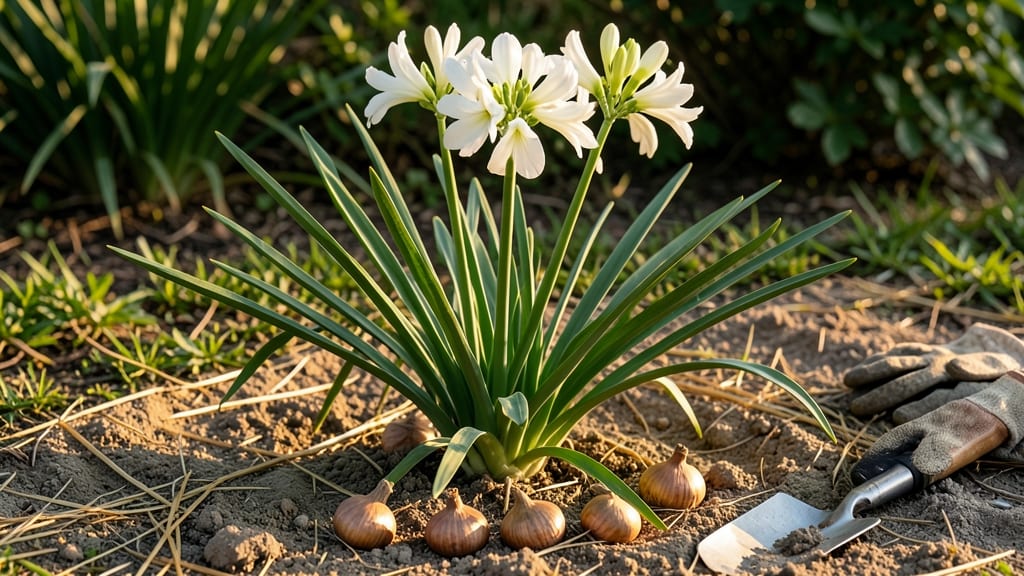
Planting tuberose bulbs unlocks night-blooming fragrance that transforms any garden into a moonlit perfume factory. 🌙 I’ve grown them for years, and the secret lies in treating these dormant roots like the delicate tropical divas they are—warm soil, bright sun, and patience pay off with waxy white blooms that scent the air after sunset.
You’ll need well-draining soil mixed with sand or perlite (they hate soggy roots), a sunny spot with 6+ hours of daily light, and a 3-inch-deep planting hole—just deep enough so the bulb’s neck peeks above soil level.
Water lightly after planting, then let the soil dry slightly between waterings once established. The first blooms arrive in late summer, and the fragrance? Unmistakable.
Common mistakes include overwatering (which causes rot) or planting too deep (which delays blooms). My trick? Use mulch in winter to protect roots in colder zones, and stake tall stems before blooming season to prevent flopping.
The payoff? Fragrant cut flowers that last days in vases and attract pollinators like mad.
Perfect for borders, containers, or even as a scented hedge—just be warned, the blooms close by midday and reopen at dusk. Here’s how to keep them thriving through every season.
📚 In This Guide
- What you need
- Instructions
- Tips and common mistakes
- Wrapping up and next steps
What you need
- ● Tuberose bulbs: 3–5 bulbs per plant (choose healthy, firm bulbs, 2–3 inches in diameter).
- ● Well-draining potting mix: 1–2 bags (5–10 gallons) of a blend designed for bulbs or succulents (add perlite or sand for extra drainage).
- ● Containers or garden bed: Containers: 1–2 pots per bulb, 12–16 inches deep with drainage holes (terracotta or plastic).
- ● Garden bed: Full sun location (6+ hours/day) with loose, fertile soil (amend with compost if needed).
- ● Slow-release fertilizer: 1–2 tablespoons per bulb (10-10-10 or bulb-specific formula).
- ● Watering can or hose with gentle spray: For even moisture without over-saturating.
- ○ Mulch (optional but helpful): 1–2 inches of organic mulch (straw or shredded bark) to retain moisture.
- ● Garden trowel or bulb planter: For digging holes (6 inches deep for containers, 4–6 inches in garden beds).
- ● Gloves: To protect hands from soil and sharp bulb edges.
- ● Pruners or scissors: For trimming dead foliage after blooming.
- ○ pH testing kit (optional): To ensure soil pH is 6.0–7.0 (ideal for tuberoses).
- ● 🌤️ Climate: Tuberoses thrive in USDA zones 8–11. In colder zones, grow them as annuals or overwinter indoors.
- ● 💧 Water access: Consistent moisture (but avoid waterlogging).
- ● 🕒 Patience: Bulbs take 2–3 months to bloom after planting!
Step-by-step instructions for growing tuberose bulbs
Here's how I transform dormant tuberose roots into fragrant, moonlit blooms—every step tested for reliability.
🌱 Step 1: Select and Prepare Healthy Tuberose Roots
Choose firm, plump roots with multiple growth nodes—these are your future flower stems. I always look for roots that weigh at least 1-2 ounces each, as larger roots produce more blooms. Soak the roots in lukewarm water for 24 hours before planting to rehydrate them fully. This step is critical because tuberose roots often arrive dehydrated from storage.
After soaking, gently rub off any dried outer skin with your fingers—don't use tools, as you might damage the delicate growth nodes. The roots should feel firm but slightly pliable, not brittle. I like to inspect them under bright light to spot any soft or mushy areas, which I trim away with sterilized scissors to prevent rot.
☀️ Step 2: Plant in Well-Draining Soil with Warmth
Use a lightweight cactus or succulent mix combined with 20% perlite to ensure excellent drainage—tuberose roots rot quickly in soggy conditions. Fill containers with 4-6 inch diameter (one root per pot) and plant each root with its nodes facing upward, about 2 inches deep. The top of the root should sit just below the soil surface.
Place your containers in a location with full sun exposure (6+ hours daily) and maintain soil temperature between 70-80°F. I use a heat mat during cooler months to keep roots warm, as tuberose needs consistent warmth to initiate growth. Water lightly after planting, just enough to settle the soil, then wait until the top inch feels dry before watering again.
💧 Step 3: Establish Growth with Controlled Watering
Once shoots emerge (usually within 2-4 weeks), increase watering gradually. I water deeply every 3-4 days during active growth, allowing excess water to drain completely. Overwatering is the #1 killer of tuberose—you'll know it's right when the soil feels damp but not saturated, and water runs freely from drainage holes.
Fertilize lightly with a balanced 10-10-10 formula diluted to half-strength every 4 weeks once shoots reach 3 inches tall. Too much fertilizer causes weak stems and fewer blooms. I always fertilize in the morning so the plants have time to absorb nutrients before evening.
⏰ Step 4: Support Stems and Encourage Blooming
As stems grow to 12-18 inches tall, they'll need support to prevent bending. I use small bamboo stakes or wire cages inserted gently beside each stem. The fragrant blooms appear in clusters, and each stem can produce 5-10 flowers per season if given proper care.
Deadhead spent blooms immediately by pinching them off at the base—this redirects energy to new flower production. I also rotate containers a quarter turn weekly to ensure even sunlight exposure, which prevents lopsided growth. The blooming period peaks in late summer to early fall, when evenings grow cooler.
✂️ Step 5: Prepare for Dormancy and Store Roots
When foliage yellows and dies back completely (usually 6-8 weeks after blooming), it's time to prepare roots for dormancy. Reduce watering gradually over 2 weeks, then stop entirely once all leaves have fallen. Carefully dig up roots, trim any remaining foliage, and let them dry in a shaded, well-ventilated area for 3-5 days.
Store roots in a cool (50-60°F), dry place wrapped in newspaper or placed in a mesh bag. I label each bag with the variety and year to track performance. With proper storage, tuberose roots can be replanted successfully for 5-7 years, producing more blooms each season if cared for correctly.
Tips & tricks for perfect tuberose cultivation
Transforming dormant tuberose roots into fragrant blooms takes patience—but these insights will help you avoid common pitfalls and maximize your success.
Root Selection Wisdom: Beyond just weight, look for roots with multiple growth nodes that appear plump and firm. I’ve found that roots with at least three visible nodes produce the most vigorous shoots. If you’re unsure which end is up, plant them horizontally—they’ll orient themselves correctly. The 24-hour soak in lukewarm water isn’t just about hydration; it’s also a great time to inspect for any soft spots or signs of rot that might have developed during storage.
Soil Temperature Secret: While the instructions specify maintaining soil between 70-80°F, I’ve learned that consistency matters more than exact degrees. If your home runs cooler, a simple heat mat under the containers can make all the difference in jumpstarting growth. The key is keeping that soil warm and stable—tuberose roots are sensitive to temperature fluctuations, which can delay or even prevent sprouting entirely.
Watering Technique: The 3-4 day watering schedule works best when you check the soil’s moisture level by feeling it with your fingers. Press about an inch down—if it feels dry but not powdery, that’s your cue to water. I’ve ruined several batches by either overwatering (which causes rot) or underwatering (which stunts growth). A moisture meter can be a game-changer if you’re unsure—aim for that "damp but not soggy" consistency at all times.
Make-Ahead Strategy: Tuberose roots can actually be prepped and stored for up to 3 months before planting if you need to delay the process. After the initial 24-hour soak, wrap them in damp paper towels, place them in a sealed plastic bag, and refrigerate. When ready to plant, simply soak them again for 12 hours to revive them. This works especially well if you’re planning ahead for spring planting.
Pro Tips for Grow Tuberose Bulbs
- Transforming dormant tuberose roots into fragrant blooms takes patience—but these insights will help you avoid common pitfalls and maximize your success.
- Root Selection Wisdom: Beyond just weight, look for roots with multiple growth nodes that appear plump and firm.
- Soil Temperature Secret: While the instructions specify maintaining soil between 70-80°F, I’ve learned that consistency matters more than exact degrees.
Frequently asked questions
Got questions about growing tuberose bulbs? You’re not alone! Here are some of the most common concerns—and their simple solutions—to help you nurture fragrant blooms like a pro.
How deep should I plant tuberose bulbs?
Plant tuberose bulbs about 2–3 inches deep in well-draining soil. The top of the bulb should peek just above the surface—this prevents rot while allowing easy access for sunlight and water. If your soil is heavy clay, mix in compost or sand to improve drainage.
When is the best time to plant tuberose bulbs?
For spring-blooming varieties, plant bulbs in early spring (after the last frost). In warmer climates (zones 9–11), you can plant in fall for winter blooms. Tuberosas thrive in heat, so avoid planting when nights are still chilly—wait until soil temps hit 60°F+.
How often should I water tuberose bulbs?
Water deeply once a week during active growth (spring/summer), keeping soil moist but not soggy. Once blooming starts, reduce watering slightly to every 10–14 days. Overwatering causes bulb rot—always ensure pots or garden beds have drainage holes!
What pests or diseases should I watch for?
Tuberosas attract aphids, spider mites, and whiteflies. Spray infested plants with neem oil or insecticidal soap. Fungal issues like root rot or powdery mildew thrive in wet conditions—space plants for airflow and avoid overhead watering. Remove affected leaves immediately.
Can I grow tuberose bulbs in containers?
Use 5–7 gallon pots with drainage holes, filling with a mix of potting soil + perlite. Place containers in full sun and water consistently. Just remember: tubers need space to multiply, so divide and repot every 2–3 years to prevent overcrowding.
Wrapping up and next steps
Growing tuberose bulbs is a rewarding journey that turns dormant roots into stunning, fragrant blooms—perfect for gardens, pots, or even gifting! With the right soil, sunlight, and care, you’ll enjoy their sweet scent and elegant flowers in no time. 🌸
Ready to dive in? Start by prepping your bulbs this season, and soon, your space will smell like a tropical paradise. Happy planting!