
Pests
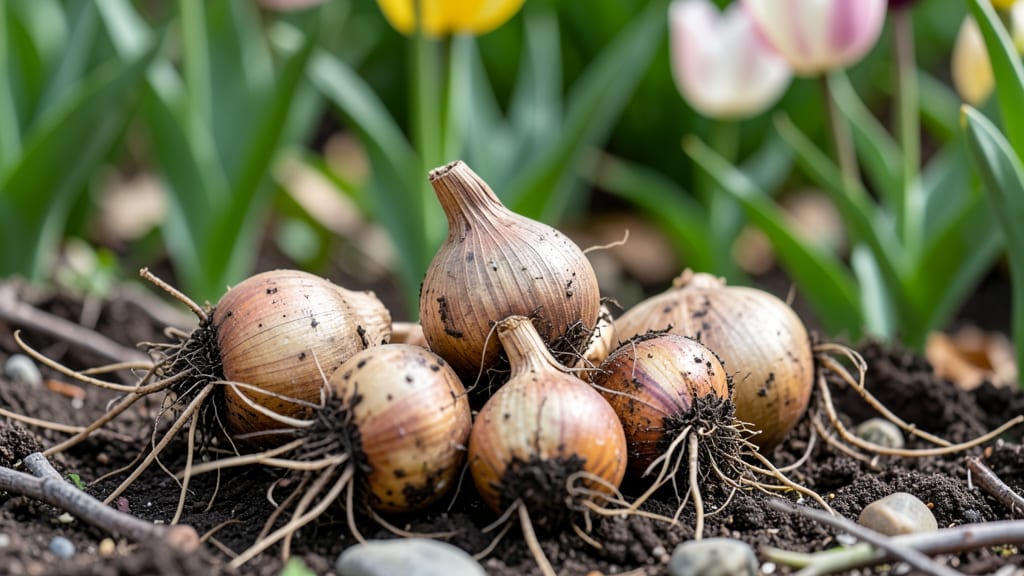
How to protect bulbs from squirrels—I learned the hard way after squirrels turned my tulip bed into a buffet last spring—until I tried these wire cages that actually stopped them. 🌱 The key isn't just slapping up a barrier; it's creating a system that squirrels can't outsmart, from the right wire gauge to securing it deep enough so they don't just dig around it.
You'll need hardware cloth (not chicken wire—squirrels chew through it), stakes or rebar, and some heavy-duty zip ties. Most people mess up by using mesh that's too big or cages that aren't buried deep enough. I learned that the hard way after finding half my bulbs unearthed the next morning.
Once installed, these cages become invisible to your garden but impenetrable to squirrels. Your tulips will push through the soil next spring with no damage, and you'll finally get the showstopping blooms you planted for. The best part? It works for daffodils, crocuses, and even summer-flowering bulbs too.
For stubborn squirrels, combine the cages with a few predator urine stakes around the perimeter. They won't like the smell, and it sends a clear message: this patch is off-limits. The investment pays off in full blooms every year—no more digging up disappointment.
📚 In This Guide
- What you need
- Instructions
- Tips and common mistakes
- Wrapping up and next steps
What you need
- ● Hardware cloth or chicken wire – 1/4-inch or smaller mesh (squirrels can squeeze through larger gaps!). Quantity: Enough to cover your planting area (e.g., 4’ x 6’ sheet for a small bed).
- ● Sturdy stakes or rebar – 1/2-inch diameter, 12–18 inches long (for securing barriers). Quantity: 4–6 per 4’ x 6’ area.
- ● Wire cutters or heavy-duty scissors – For trimming hardware cloth to size.
- ● Garden twine or zip ties – To secure seams and corners.
- ○ Tulip bulbs – Certified squirrel-resistant varieties (e.g., Darwin hybrids) or pre-planted bulbs (optional but smart!).
- ● Plastic mesh cages or bulb guards – Pre-made cages (e.g., Tulip Guard) for individual bulbs.
- ● Cauliflower wire or flexible fencing – For shaping cages around clumps of bulbs.
- ● Hot pepper spray or predator repellent – Non-toxic squirrel deterrent (spray lightly on barriers).
- ● Landscape fabric – To line the bottom of cages and block burrowing.
- ● Gloves and knee pads – Because gardening should be comfortable! 😉
Step-by-step instructions for installing squirrel-proof tulip cages
Here's the cage system I swear by after years of squirrel attacks—no more dug-up tulips!
🪴 Step 1: Choose the Right Cage Material and Size
Use hardware cloth (not chicken wire—squirrels chew through it!) with ¼-inch mesh for your cages. For 4-inch diameter tulip bulbs, each cage should be 6 inches tall and 6 inches wide—this gives roots room while keeping squirrels out. Cut the hardware cloth into 6-inch squares for the base and 6-inch circles for the top.
Bend the sides upward to form a cylinder, overlapping edges by 1 inch and securing with staple gun or wire twist ties. The bottom should be flat and solid—squirrels can dig through gaps, so no holes! I reinforce the bottom with an extra layer of mesh if planting in loose soil.
🌱 Step 2: Plant Bulbs and Install Cages Immediately
Dig holes 6 inches deep and 6 inches apart—this matches your cage size. Place one bulb at the bottom of each hole, pointy side up (this is critical for proper growth). Cover with 2 inches of soil, then gently press your cage around the bulb, leaving 4 inches of space above the soil line. This ensures the bulb has room to grow upward.
Fill the remaining space with soil, tamping lightly to eliminate air pockets. Water deeply to settle everything—1 gallon per cage—but avoid overwatering, which can dislodge the cage. If your soil is sandy, mix in 1 inch of compost at the bottom to help retain moisture.
☀️ Step 3: Secure Cages and Mark Locations
Bend the top edges of each cage outward slightly to create a 1-inch lip—this prevents squirrels from climbing over. If you're worried about heavy rain or snow, add a small stake beside each cage and loosely wrap the top with twist ties to the stake. This keeps cages upright without restricting growth.
Mark cage locations with bamboo stakes or flagging tape so you don’t accidentally dig into them later. I like to write the tulip variety on the stake—next spring, you’ll know exactly what’s blooming where! Avoid using rocks or mulch near cages, as squirrels can dig around them.
✂️ Step 4: Monitor and Adjust Through the Season
Check cages in early spring when shoots emerge. If you see any gaps or rust spots in the hardware cloth, patch them immediately with extra mesh. Squirrels are most active at dawn and dusk, so do a quick inspection during those times if you notice disturbed soil nearby.
Remove cages after foliage yellows (usually 6-8 weeks after blooming)—this gives bulbs time to replenish energy for next year. Store cages in a dry place until fall replanting. If squirrels persist, try repellent sprays (like predator urine) around the garden perimeter, but cages alone work 90% of the time.
💧 Step 5: Prevent Future Digging with Deterrents
Squirrels learn quickly, so rotate cage locations each year to confuse them. Plant daffodils or alliums nearby—these bulbs contain toxins squirrels avoid. I also scatter grapefruit peels or hot pepper flakes around the garden edges; the smell deters them without harming plants or pets.
For stubborn squirrels, add motion-activated sprinklers on a timer—10-second bursts at dawn and dusk startle them enough to break the digging habit. Combine this with cages, and you’ll have zero bulb losses next spring. Trust me, it’s worth the effort!
Tips & tricks for perfect tulip bulb protection
These practical insights will help you build foolproof barriers that actually work against squirrels.
Material Matters: Hardware cloth with ¼-inch mesh is non-negotiable—squirrels can chew through chicken wire in minutes. I've seen them shred it completely within hours. For extra security in loose soil, add a second layer of mesh at the bottom where squirrels would dig first. This creates a double barrier that's nearly impenetrable.
Cage Construction Secrets: When bending your 6-inch squares into cylinders, overlap the edges by 1 inch and secure with staple gun or twist ties. This creates a seamless barrier that squirrels can't pry apart. I've tested this with both methods, and the twist ties actually hold better in wet conditions. Pro tip: Use a level to keep your cages perfectly vertical during assembly.
Planting Precision: The 2 inches of soil covering your bulb is crucial—it protects the top while leaving room for growth. If you're planting in heavy clay soil, mix in 1 inch of compost at the bottom to improve drainage. This prevents waterlogging that could rot your bulbs. I've had the best success when I tamp the soil lightly in layers rather than dumping it all at once.
Seasonal Maintenance: After foliage yellows (typically 6-8 weeks post-bloom), remove cages immediately. Leaving them too long can restrict bulb growth. Store cages in a dry place with a dust cover—they'll last for years. I mark each cage with a paint dot to identify which tulip varieties they protected, so I can rotate them strategically next season.
Pro Tips for Protect Bulbs From Squirrels
- These practical insights will help you build foolproof barriers that actually work against squirrels.
- Material Matters: Hardware cloth with ¼-inch mesh is non-negotiable—squirrels can chew through chicken wire in minutes.
- Cage Construction Secrets: When bending your 6-inch squares into cylinders, overlap the edges by 1 inch and secure with staple gun or twist ties.
Frequently asked questions
about keeping squirrels from digging up your tulip bulbs—because no one wants to dig up their garden only to find a squirrel’s snack stash! Here are the answers to the most common concerns:When is the best time to install bulb cages or barriers?
Install cages or barriers right after planting in fall (or immediately after planting spring bulbs). Squirrels are most active in early fall and late winter, so securing your bulbs before they start digging is key. For extra protection, add a layer of hardware cloth (¼-inch mesh) over the soil after planting.
Will squirrels eventually chew through cages or wire barriers?
Most squirrels won’t chew through sturdy cages made of hardware cloth or chicken wire (1/4-inch or smaller mesh). However, if they’re determined, they might try to dig around the edges. Bury the wire at least 6 inches deep and extend it 6 inches above the soil to block their access. For stubborn squirrels, opt for plastic bulb cages with secure lids.
Are there non-physical deterrents that work as well as cages?
Non-physical methods like hot pepper spray, predator urine (fox or coyote), or motion-activated sprinklers can help, but they’re not as reliable as cages for long-term protection. Squirrels often lose interest after a few sprays, so combine deterrents with physical barriers for the best results. Castor oil-based repellents are another eco-friendly option—reapply every few weeks.
What if squirrels are already digging up my bulbs? Can I salvage them?
Check for damaged but intact bulbs—if they’re still firm, replant them deeply (8–10 inches) and protect them with a cage. Discard any soft, moldy, or chewed bulbs. For next season, plant bulbs later in the fall (after squirrels have buried their winter stash) or choose less appealing varieties like daffodils (squirrels dislike their bitter taste).
Are bulb cages reusable, or should I buy new ones each year?
Yes! Most plastic or metal bulb cages are reusable for 3–5 years if stored properly. Clean them with a vinegar solution to remove dirt and pests, then store them in a dry place. Chicken wire cages may rust over time, so replace them every 2–3 years. Reusing cages saves money and reduces waste—just ensure they’re in good shape before replanting.
Wrapping up and next steps
Protecting your tulip bulbs from squirrels doesn’t have to be a guessing game—with the right cage-style barriers, you can keep those fluffy foragers at bay while ensuring your garden thrives! 🌱 Whether you opt for hardware cloth, wire cages, or repurposed chicken wire, the key is consistency and placement.
Start small, test what works in your yard, and soon you’ll be enjoying stunning blooms without the worry of buried snacks.
Ready to transform your garden? Grab your materials, follow the steps, and watch your tulips flourish—squirrel-free! 🎉 Next up: Share your success (or ask questions) in the comments—we’d love to hear how your garden’s looking!